

—
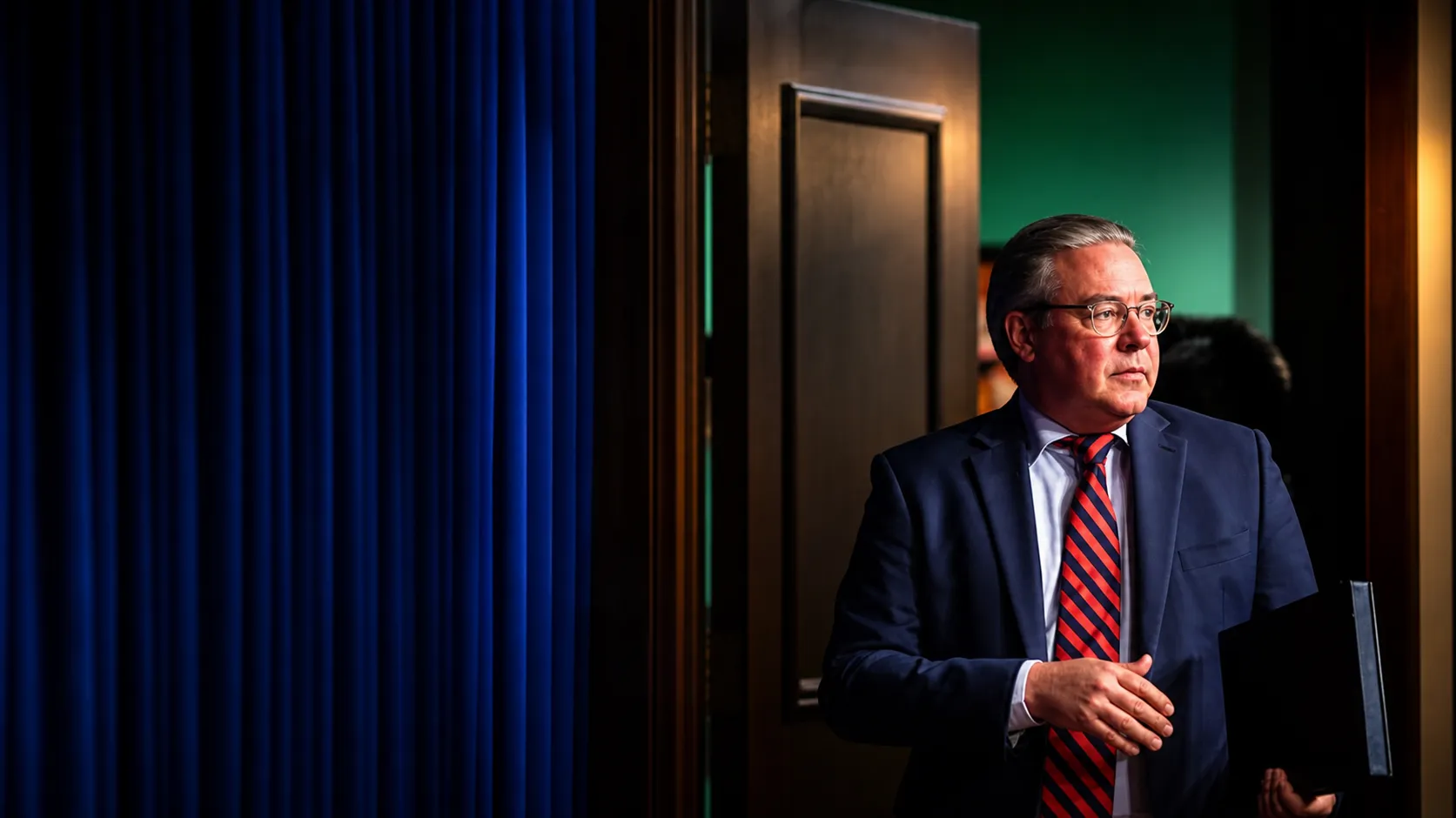
Election officials in Arizona’s most populous county have reached a settlement ending a legal battle that has consumed county leadership for more than a year. The Maricopa County Board of Supervisors and County Recorder Justin Heap approved the deal after mediated negotiations this week, with board members voting to accept the agreement Tuesday in an emergency meeting.
The dispute began when Heap sued the predominantly Republican board in June 2025, alleging it had illegally taken control of certain aspects of election administration. The board countered that the lawsuit was frivolous and accused Heap of wasting taxpayer money. But after a series of closed-door mediation sessions that stretched late into Monday night, the two sides reached consensus around 10 p.m., with Maricopa County Superior Court Judge Christopher Coury shuttling back and forth between separate jury chambers carrying proposed terms.
The settlement comes just days after the Arizona Supreme Court ruled in Heap’s favor last week, ordering the board to follow his 12-point plan for the upcoming primary election on July 21. The agreement marks a significant moment for a county of 2.5 million voters that plays an outsized role in statewide and national politics. Maricopa County residents are certain to drive the outcome of competitive state and congressional races, including contests that could help determine control of the U.S. House of Representatives and Arizona’s governorship.
Under the agreement, election duties are divided cleanly between the two offices. The Recorder’s Office will control all aspects of early voting, including site selection, equipment operation, and staffing. Heap will also oversee voter registration and the location of ballot drop boxes across the county. The board will handle Election Day voting, emergency voting through 2028, ballot tabulation, and equipment maintenance.
The board will provide significant financial support to the recorder’s office, funding 24 IT positions and allocating $15 million for a new information technology system that will operate independently from the current shared system. The board will also fund additional early voting staff for the recorder’s office.
Board Chairwoman Kate Brophy McGee expressed relief after the vote. “This deal gets us out of the courtroom,” she said. “I’m sick of drama. We are done with being on the front page going forward.” She described the arrangement as “a huge win for our voters,” saying it would allow people to walk in and vote with assurance that their votes will count.
Heap called the settlement a victory as well. “I am pleased we have reached an agreement that, when implemented, will restore those responsibilities and establish a clear framework for administering elections moving forward,” he said in a joint statement with the board.
The conflict had its roots in an agreement struck between the board and Heap’s predecessor, Republican Stephen Richer, months before Heap took office. Heap claimed the board had transferred funding, IT staff, and key functions away from the recorder’s office through that deal. Heap defeated Richer in a Republican primary and won the 2024 general election, then immediately sought to reclaim what he argued were his statutory responsibilities.
The two officials have long disagreed over election administration philosophy. Richer, a Republican, vigorously defended the legitimacy of Arizona’s voting system and the 2020 and 2022 elections. Heap, also a Republican, has stopped short of claiming elections were stolen, but has said voters don’t trust the state’s voting system and that it is poorly run. Heap’s legal effort was backed by America First Legal, a conservative advocacy group founded by Stephen Miller, a deputy chief of staff in the White House.
Not everyone on the board backed the settlement. Supervisor Steve Gallardo, a Democrat, voted against it and criticized Heap’s approach to elections. “Honestly, I don’t think he wants to have an election that is conducted transparent or even an election that’s not compromised,” Gallardo said during the board meeting. He expressed concerns about Heap’s hiring of what he called hyper-partisan staff and the recorder’s alliance with America First Legal.
The compromise effectively builds a wall between the board’s elections department and the recorder’s office, two agencies that have traditionally worked closely together. This separation creates uncertainty about how elections will run going forward. While the agreement resolves the legal battle, tensions between the offices remain high, and it remains unclear how well the two sides will cooperate when disputes arise.
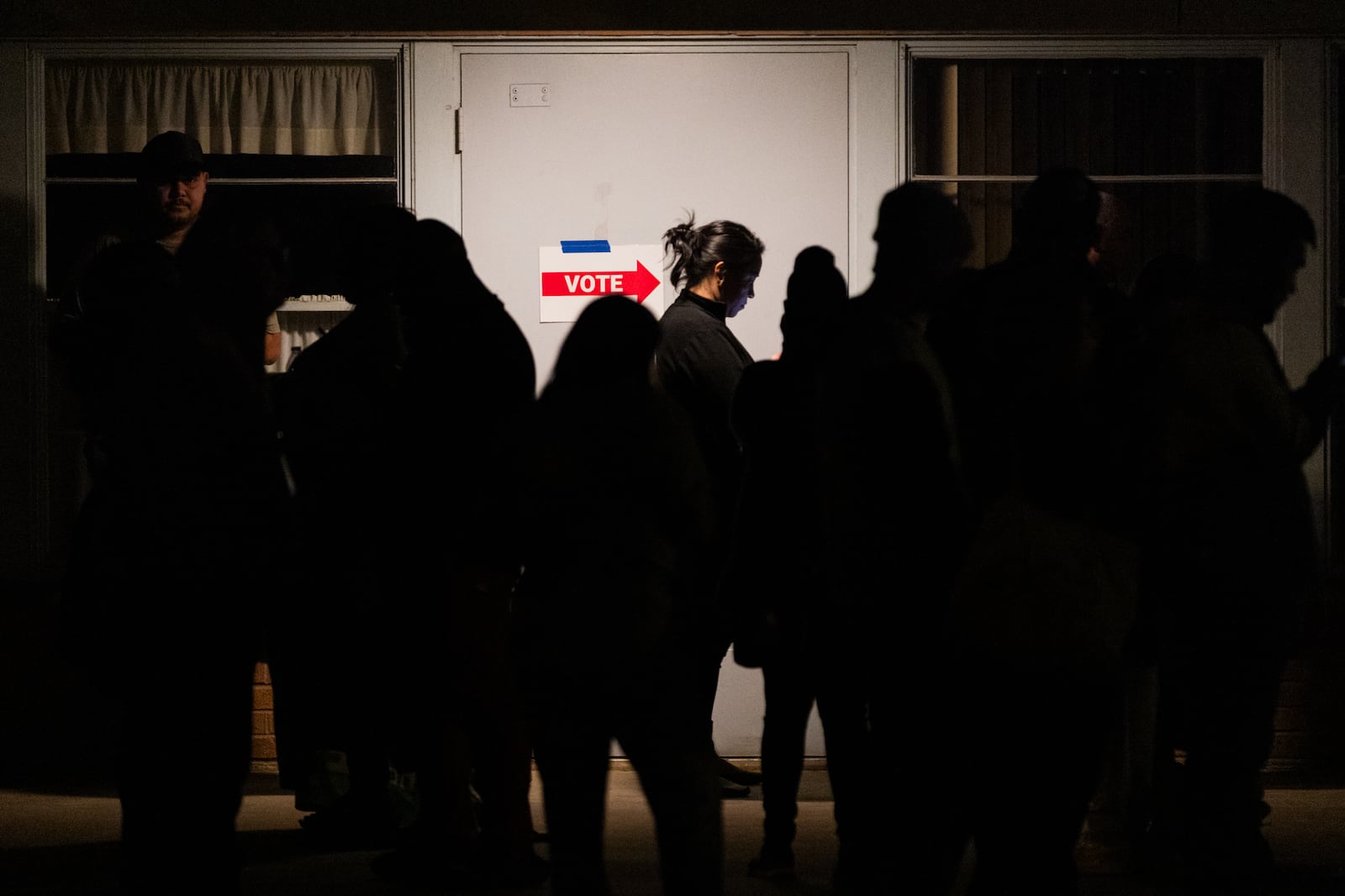
The settlement does not apply to the July 21 primary, which is already underway with early voting that began in late June. The primary will continue to operate under the Arizona Supreme Court’s 12-point plan. The true test of the new arrangement will come with the high-stakes general election on November 3, which could determine the balance of power in Congress and the governor’s office. Election observers and Arizona voters will be watching closely to see whether two officials who have clashed repeatedly can implement a structure that keeps elections running smoothly without the litigation and rancor that has defined their relationship so far.