


Drugs such as Ozempic, Wegovy, Mounjaro and Zepbound have kept GLP-1 in the spotlight as interest in weight loss and diabetes treatments continues to grow. That attention has also led to questions online about so-called GLP-2 and GLP-3 options.
Medical experts say the comparison is often misunderstood, and one of those labels is not a recognized medication category.
Andrew Kraftson, M.D., a clinical associate professor of internal medicine and clinical director of the Post Bariatric Endocrinology Clinic and Weight Navigation Program at the University of Michigan, along with Absalon Gutierrez, M.D., an endocrinologist at UTHealth Houston, have outlined what separates these hormones and why the phrase GLP-3 can be misleading.
According to Dr. Kraftson, GLP-1 is a hormone released by intestinal cells in response to food. It helps the body manage energy use and also communicates with the brain and digestive system to indicate when someone has had enough to eat.
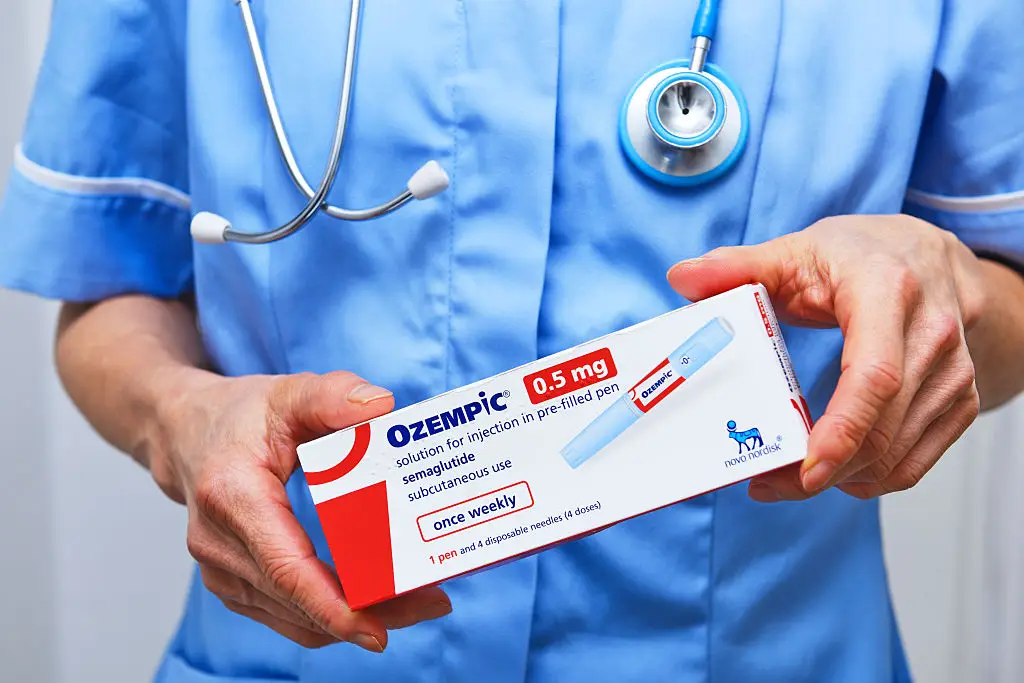
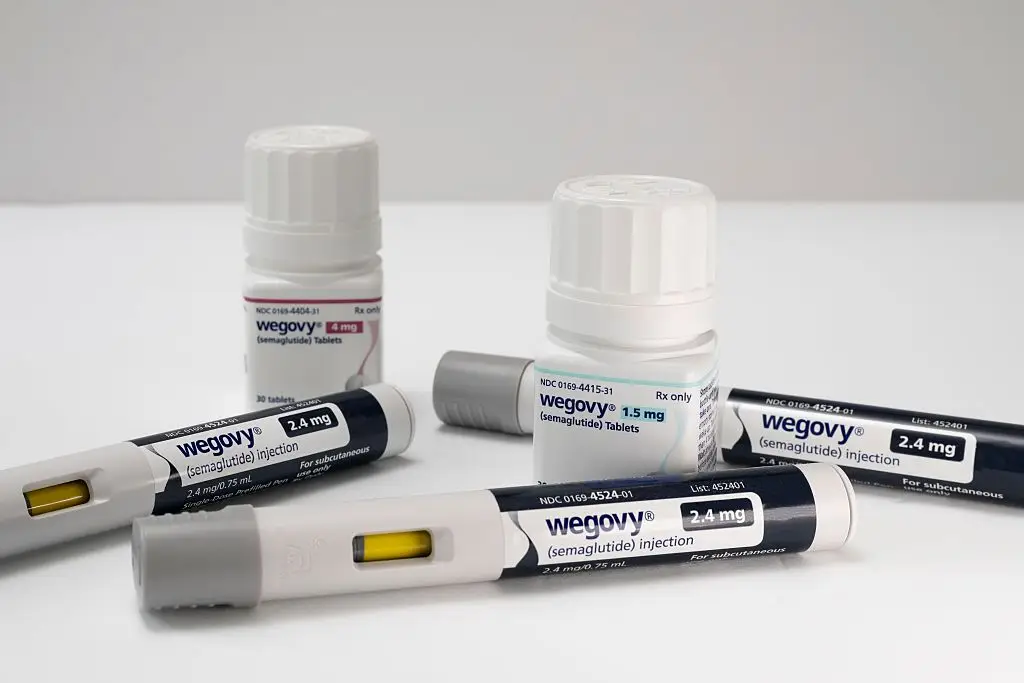
GLP-1 receptor agonists are now widely used for both type 2 diabetes and chronic weight management, and FDA-approved examples include semaglutide products such as Ozempic and Wegovy, as well as tirzepatide products such as Mounjaro and Zepbound. These medicines are often prescribed alongside diet and exercise, and their labels warn that they should not be combined with other GLP-1 drugs.
Dr. Gutierrez said GLP-2 is made in the gut as well, but its role is very different because it ‘regulates intestinal growth, structural integrity and nutrient absorption.’
The only synthetic GLP-2 treatment cleared by the FDA is Gattex, or teduglutide, which is used for short bowel syndrome.
In practice, that means GLP-2 therapies are aimed at helping people absorb nutrients and fluids when the intestine cannot do that adequately, rather than at suppressing appetite or promoting weight loss.
When people refer to GLP-3, Dr. Gutierrez said they are often talking about triple hormone receptor agonists. These experimental drugs target GLP-1, glucagon and glucose-dependent insulinotropic polypeptide, also known as GIP.
However, there is no formally recognized GLP-3 hormone or approved GLP-3 drug class.
In many cases, the term appears to point to retatrutide, an Eli Lilly drug candidate that is still being studied in clinical trials.
Because retatrutide remains investigational, it has not received FDA approval and its complete safety profile is still being determined. The drug has advanced into late-stage phase 3 testing, but it is still not an approved treatment, so any claims that it is already a standard “GLP-3” option would be inaccurate.
Dr. Kraftson explained that GLP-1 prompts the pancreas to release more insulin, lowers blood sugar, increases feelings of fullness and slows the movement of food through digestion. He added that ‘collectively, these actions can help keep sugars and weight under healthy control.’ By contrast, GLP-2 is not currently associated with weight management and is instead tied to healing the intestinal lining and improving nutrient uptake.
Dr. Gutierrez also said there is ‘no additional weight loss benefit from combining GLP-1 and GLP-2, since the two hormones, despite both originating in the gut, are prescribed to treat entirely separate conditions.
Each type of hormone-based treatment comes with its own possible side effects.
Dr. Kraftson said GLP-1 medications may lead to nausea, diarrhea, vomiting, constipation, fatigue and hair loss. He also noted less common but more serious concerns, including pancreatitis, dehydration, vision changes in people with type 2 diabetes and potential thyroid tumors.
GLP-2 drugs can produce some overlapping issues, such as abdominal pain, nausea and swelling in the hands or feet. More serious risks may include abnormal cell growth, intestinal polyps and bowel obstruction.
Medical experts also caution that not every product marketed online as a GLP-1 or GLP-3 medicine is legitimate. Regulators have warned that unapproved or compounded versions may pose additional safety risks, including dosing errors and quality concerns, compared with FDA-approved drugs.
Eli Lilly has been contacted for comment.