

The Trump administration is reviving a rule that could deny green cards to immigrants who use public benefits such as food stamps, Medicaid, housing vouchers and others. The policy, known as “public charge,” appeared in the Federal Register on Thursday and will be formally published on July 20, with implementation set for September 18.
The rule was first implemented in February 2020 during Trump’s first term as a move to limit legal immigration, but it was reversed after President Joe Biden took office. Under the policy, applicants for green cards must demonstrate they would not become burdens to the country, or “public charges.”
The concept of public charge has been embedded in U.S. Immigration law for more than a century, but how it is defined and applied has changed dramatically over recent years. Before 2019, immigration officials focused primarily on whether applicants relied on cash assistance programs like Temporary Assistance for Needy Families or Supplemental Security Income, as well as long-term government-funded institutional care. The 2022 Biden administration rule largely maintained this narrow interpretation, excluding noncash benefits like Medicaid, food stamps, housing assistance and nutrition programs from consideration.
The Trump administration’s new rule represents a significant expansion. Under the revised approach, immigration officers will have broad discretion to consider an applicant’s age, health, family status, assets, financial resources, education and skills, along with whether they have received any means-tested taxpayer-funded benefits. The administration argues this restores the principle that immigrants should be self-reliant and that government benefits should not incentivize immigration.
Immigration advocates and public health experts have raised alarm about the policy’s potential consequences. Critics argue that the rule amounts to a “wealth test” that will discourage eligible immigrants and U.S. Citizens in mixed-status families from accessing critical services they are legally entitled to receive. The policy generated similar concerns during Trump’s first term, when confusion and fear caused many immigrants and their U.S.-born relatives to forgo benefits and services for which they qualified.
The Department of Homeland Security estimates that approximately 588,000 applicants seeking to adjust status to lawful permanent residence would be subject to public charge review each year. During the period when the 2019 Trump rule was in effect, however, DHS identified just five cases of denials based on the full public charge analysis, and those cases were later reopened or rescinded. This has led critics to argue that the real harm from the policy stems from its chilling effect on benefit enrollment rather than actual denials.

Experts point to data from Trump’s first term showing the widespread fear the rule created. Between 2.3 million and 4.9 million people in immigrant families avoided enrolling in or disenrolled from public benefit programs, and many never re-enrolled even after policy changes. Research from 2019 found that more than one in seven adults in immigrant families reported avoiding noncash benefits out of fear of jeopardizing future green card status, with the rate rising to 26 percent among adults in low-income immigrant families.
The proposed rule comes as the Republican administration is implementing broader enforcement policies to curb both illegal and legal immigration, with increased focus on deportations and immigration enforcement across the country. It also coincides with rising costs of healthcare and food, making public benefits increasingly vital for vulnerable families.
The administration has framed the rule as upholding long-standing immigration principles. U.S. Citizenship and Immigration Services said the federal government “is reaffirming the requirement of self-reliance, protecting public resources and ending policies that encouraged dependency on the backs of hard-working American taxpayers.”
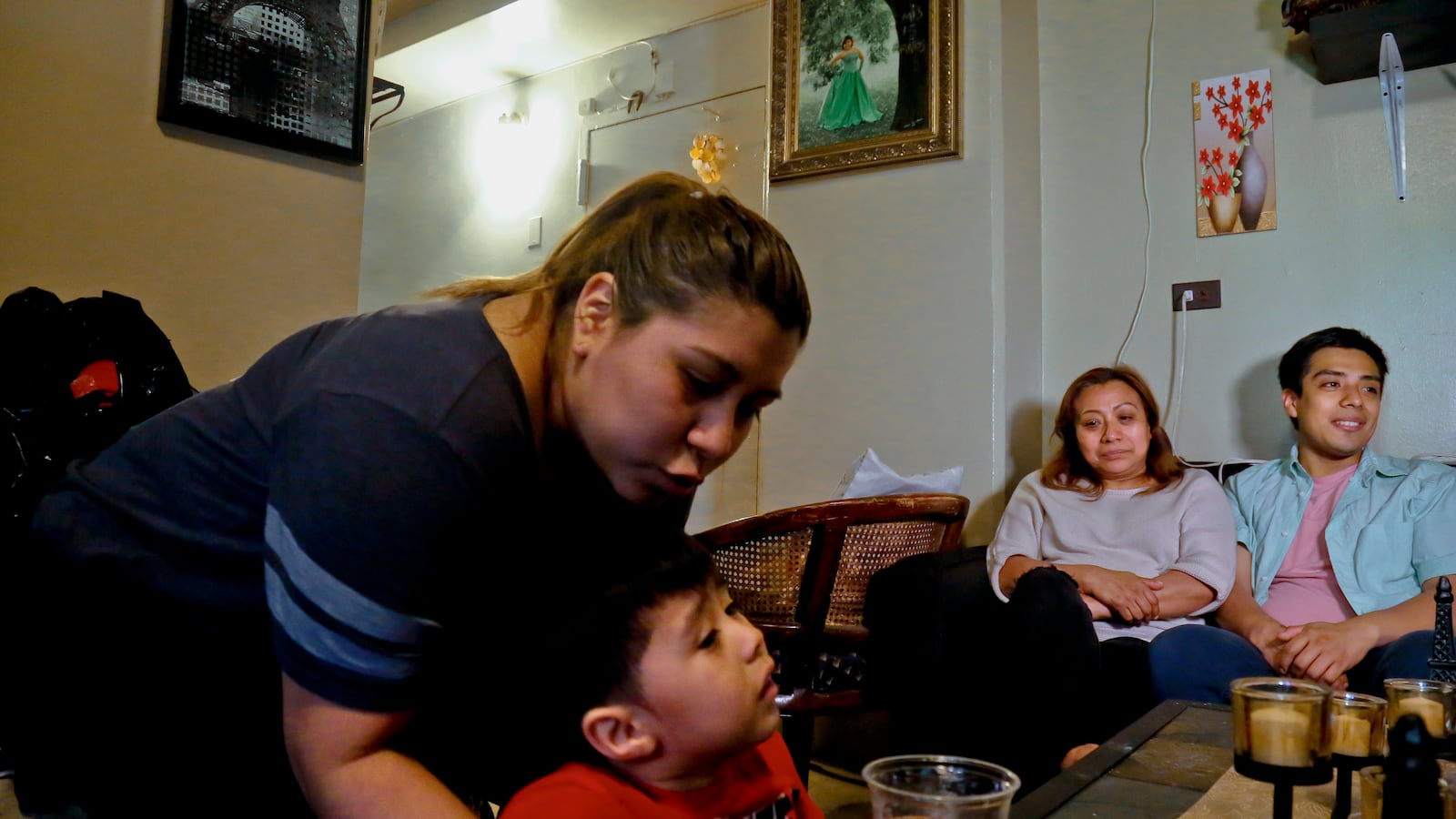
Immigrant rights advocates have quickly mobilized against the proposal. One coalition leader warned that the rule creates “chaos and confusion” that deters lawfully present immigrants and U.S. Citizens from seeking health care and help they need and qualify for under federal law. Legal experts and service providers have expressed concern about the lack of clear standards, which could lead to inconsistent decisions from adjudicators across different immigration offices.
The stakes extend beyond individual applicants. Because many immigrant families include U.S.-born children and green card holders, the policy could indirectly affect millions of American citizens if their family members fear accessing benefits. The administration has acknowledged in its own analysis that the rule could result in reduced participation in public benefit programs worth nearly nine billion dollars annually and could have harmful effects on public health, community stability and economic outcomes.
With the rule taking effect in September, immigration attorneys, state benefit agencies, health providers and immigrant-rights groups are preparing for litigation and have launched educational campaigns to counter expected confusion and fear among immigrant families.