

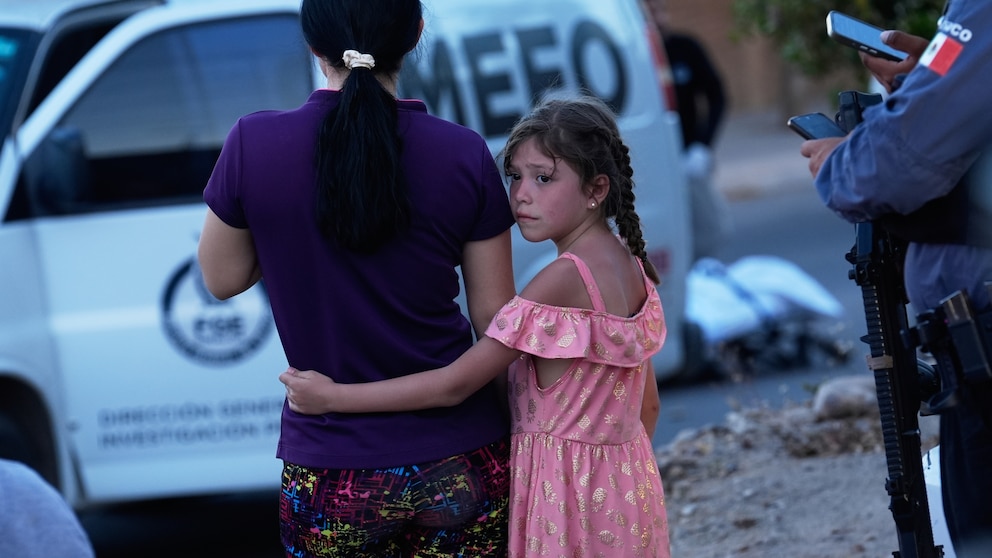
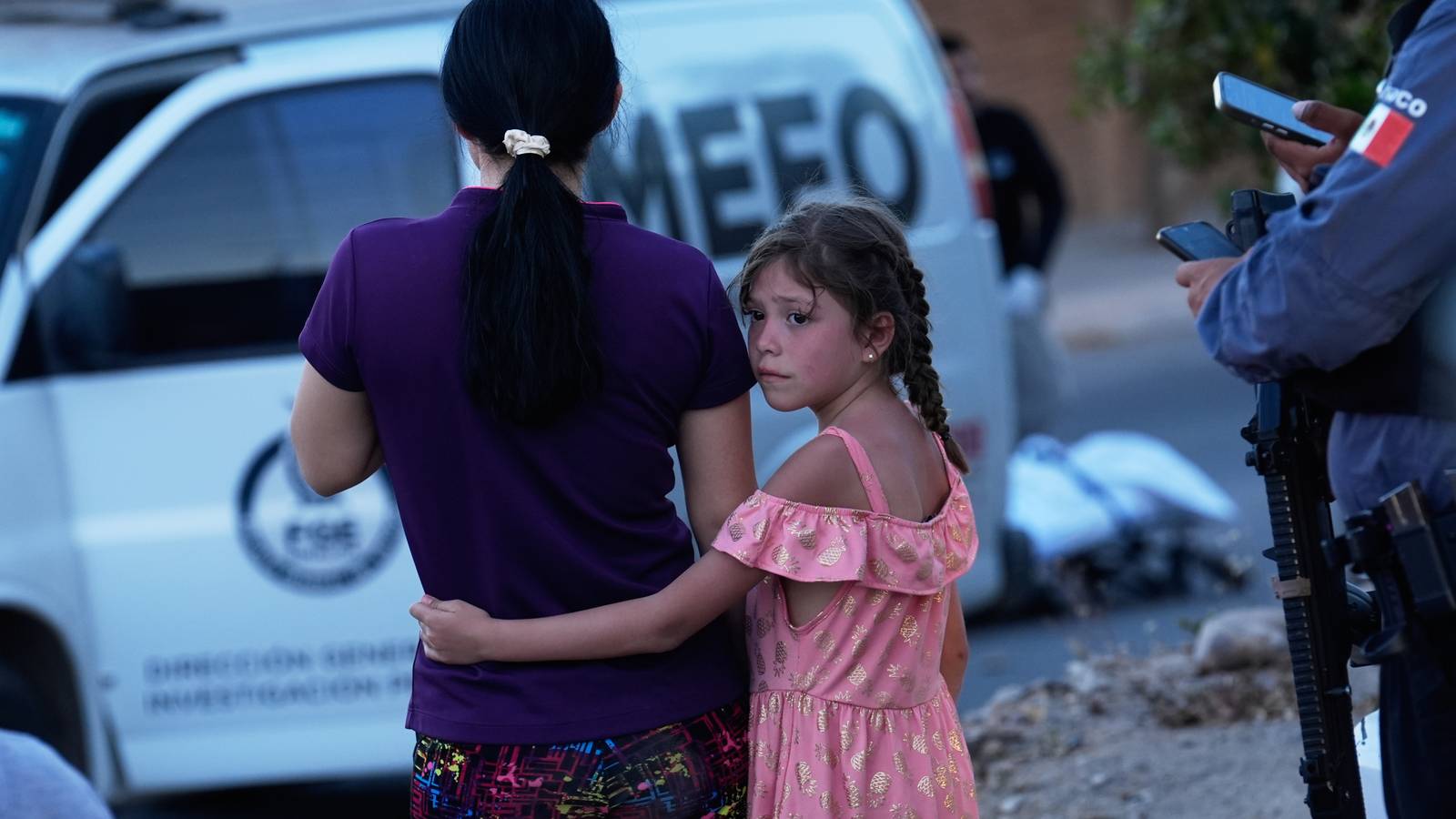
The U.S. Government has designated the Juárez Cartel and Los Viagras as foreign terrorist organizations, according to a publication in the Federal Register on Thursday. This action expands a major policy initiative that began earlier this year to combat Mexican drug trafficking organizations through terrorism designations rather than traditional drug enforcement measures.
The designation brings the total number of Mexican criminal organizations labeled as foreign terrorist organizations to eight. The two newly designated groups join the Sinaloa Cartel, Cártel de Jalisco Nueva Generación, Cártel del Noreste, Gulf Cartel, La Nueva Familia Michoacana, and Carteles Unidos on the U.S. Government’s list of FTOs.
The Juárez Cartel operates along the Texas border and controls key smuggling corridors in that region. One of Mexico’s oldest drug trafficking organizations, the cartel has a long history of involvement in cocaine, heroin, and methamphetamine trafficking. It operates in Ciudad Juárez and maintains enforcement gangs on both sides of the border, including La Línea on the Mexican side and the Barrio Azteca street gang operating in Texas cities such as El Paso, Dallas, and Houston. The cartel has been locked in a violent struggle with the Sinaloa Cartel for control of the Juárez plaza since 2007, a conflict that has left thousands dead in Chihuahua state.
Los Viagras is a criminal group based in the western state of Michoacán. Originally established as a self-defense force in 2014 by the Sierra Santana brothers, the group has since evolved into a major drug trafficking and extortion operation. Los Viagras emerged following a 2013-2014 farmer uprising that drove out older cartels, only to see new criminal organizations rise in their place. The organization is led by Nicolás Sierra Santana, who faces a formal indictment in the District of Columbia for drug trafficking conspiracy filed in June 2025. The State Department is offering a $5 million reward for information leading to his capture.
Los Viagras engages in trafficking methamphetamine and cocaine and has conducted widespread extortion across Michoacán’s agricultural sector. The group has targeted avocado and citrus growers, cattle ranchers, and entire towns, in one instance even establishing internet networks and requiring a local municipality to pay for access at risk of death. Los Viagras has also conducted kidnappings and attacked Mexican security forces.
Secretary of State Marco Rubio stated that both criminal groups either have committed terrorist acts or pose a serious risk of committing acts that threaten the security of U.S. Nationals or the national security, foreign policy, or economy of the United States.
The terrorist designation initiative began in February 2025 when President Donald Trump signed an executive order on his first day in office directing the Secretary of State to designate major cartels and other criminal organizations as foreign terrorist organizations. This marked a significant shift in U.S. Counternarcotics policy. The first wave of designations, affecting six Mexican cartels and two other organizations, took effect on February 20, 2025. The Trump administration has since expanded the policy to other regions, designating gangs in Venezuela, Brazil, Ecuador, and El Salvador as foreign terrorist organizations as well.
The FTO designation provides U.S. Authorities with enhanced legal tools to combat these organizations. It allows the government to freeze assets, impose financial sanctions, and prosecute individuals and entities that provide material support to the designated groups. Under U.S. Law, it is unlawful for any person in the United States or subject to U.S. Jurisdiction to knowingly provide material support or resources to a designated FTO, a crime punishable by civil and criminal penalties, including up to life in prison if death results.
The Mexican government has historically opposed such designations, citing concerns about their potential effects on tourism and investment, the volume of entities that could be deemed to have provided material support, and the possibility that they could lead to unilateral U.S. Military operations in Mexico. However, the Mexican government’s response to the designations has included cooperation on enforcement, with President Claudia Sheinbaum’s administration transferring 29 cartel leaders to U.S. Custody after the initial round of designations.
The decision represents a new chapter in a longstanding debate about whether Mexico’s drug trafficking organizations bear enough resemblance to traditional terrorist groups to warrant such designations for U.S. Law enforcement and national security purposes. Congress has considered similar proposals since 2011, and various analysts have questioned whether the designation framework is appropriate for profit-driven criminal enterprises, though proponents argue it provides necessary tools to combat increasingly violent transnational criminal organizations.