

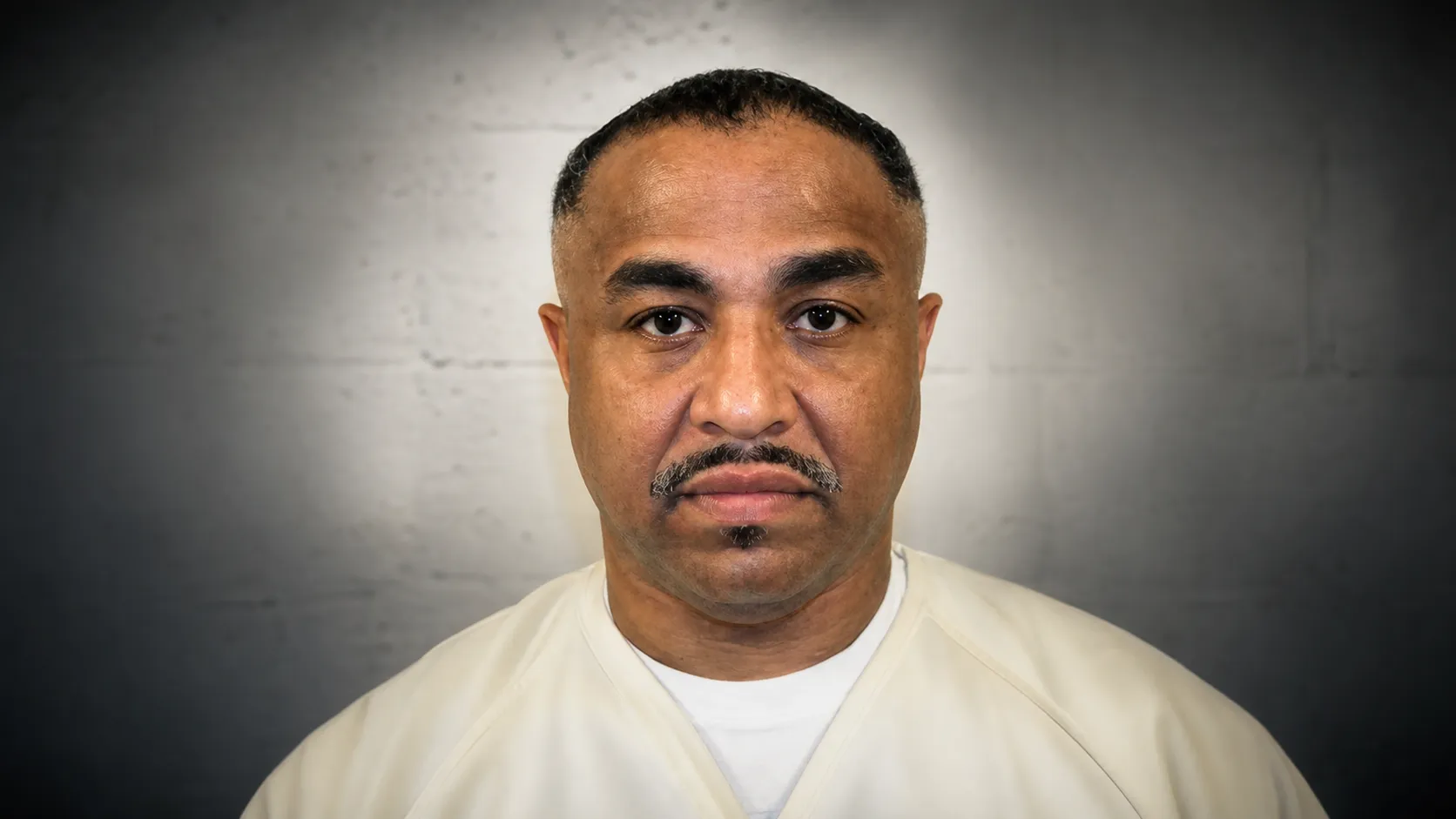
The sister of Tennessee death row inmate Tony Carruthers has filed a complaint against the doctor who was involved in his failed execution attempt, accusing him of violating medical ethics and professional standards during a procedure that lasted more than an hour.
Tonya Hervey filed the complaint Wednesday with the Tennessee Department of Health, alleging that her brother suffered severe pain during the May 21 attempted lethal injection at Riverbend Maximum Security Institution in Nashville. The complaint claims the family now believes Carruthers has partial paralysis that they attribute to a stroke, though the family did not specify in the complaint how or when they believe the stroke occurred.
Dr. Mark Fowler, a physician who was present during the execution attempt, is accused of multiple violations in the complaint. The allegations include participating in an execution itself, which violates core medical ethics; injecting Carruthers with the anesthetic lidocaine without first confirming he was not allergic to it; and continuing to search for a vein despite his “visible agony and distress.” The complaint further asserts that Fowler was unqualified to place a central line because he had not performed the procedure in over a decade.
The May 21 execution attempt encountered significant difficulties from the start. Execution staff successfully established a primary IV line but then spent more than an hour trying to insert a backup line. Maria DeLiberato, an American Civil Liberties Union attorney representing Carruthers who was present in the execution chamber, witnessed the team attempt multiple times to insert an IV in Carruthers’ arm, hand, and foot before Fowler was called to attempt insertion of a central line.
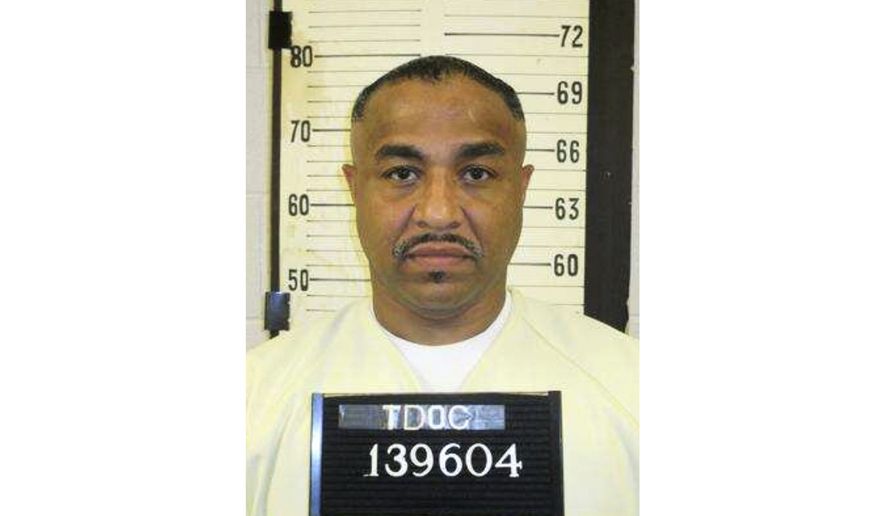
After approximately 90 minutes of failed attempts, Governor Bill Lee called off the execution and granted Carruthers a one-year reprieve. The botched procedure led to rare public identification of a physician involved in an execution—a detail that typically remains secret under Tennessee law.
Court records and witness testimony provide additional details about Fowler’s qualifications. According to a 2025 deposition in a lawsuit challenging Tennessee’s lethal injection protocol, Fowler testified that he had placed a central IV line “a dozen or more times” during his career but had not done so since he stopped working as an emergency room doctor in 2013. He also confirmed that he has no hospital privileges anywhere in the country, meaning no hospital has authorized him to practice or perform procedures at its facility.
When he worked in emergency medicine, Fowler indicated he preferred to establish central lines using the manual landmark method rather than ultrasound, which is considered the modern standard of care. Additionally, during his deposition, Fowler revealed he had experienced at least one serious complication in his past—a guide wire that ended up in a patient’s carotid vein.
Medical ethics organizations broadly oppose physician participation in executions. The American Medical Association Code of Ethics explicitly prohibits physicians from participating in legally authorized executions, including “starting intravenous lines as a port for a lethal injection device.” The American Society of Anesthesiologists has similarly stated that lethal injections cannot conform to the science and practice of anesthesiology. In 2010, the American Board of Anesthesiology voted to revoke the certification of anesthesiologists who participate in executing prisoners by lethal injection.
Some experts have questioned whether the trauma Carruthers experienced could have caused a stroke. Dr. Ervin Yen, a retired cardiac anesthesiologist who has witnessed many executions in Oklahoma, stated that the fact Fowler had not placed a central line in years is not necessarily disqualifying. Yen also said it is “very unlikely that the attempts to place an IV could have resulted in a stroke.”
When reached by telephone, Fowler declined to comment on the complaint. The Tennessee Department of Correction also declined to comment on the allegations. The Tennessee Department of Health said all complaints and investigations are confidential until formal charges are filed, and the department would not confirm whether an investigation even exists.
Carruthers, 58, was convicted in 1996 of the 1994 kidnapping and murder of three people in Memphis: 21-year-old Marcellos Anderson, his mother Delois Anderson, 43, and Frederick Tucker, 17. Authorities stated that Anderson was involved in drug dealing and that Carruthers was attempting to take over the illegal trade in their neighborhood. The bodies were discovered buried beneath a casket in a cemetery in South Memphis.
Carruthers has maintained his innocence throughout his incarceration and appeals process. The case has received scrutiny in recent years due to concerns about the reliability of key witness testimony used to convict him, including allegations that a paid informant made false claims against him. His case highlights broader concerns about physician participation in capital punishment procedures and the adequacy of medical standards applied to execution protocols.