


Warning: This article contains discussion of rape and sexual assault which some readers may find distressing.
Nick Yarris, who was wrongly sent to death row and spent 23 years in prison, has spoken about a chilling encounter with a murderer he believed was as ‘evil’ as Ted Bundy.
Yarris was sentenced to death in 1982 after being convicted of the 1981 murder of Linda Mae Craig, a crime he did not commit.
He was eventually freed in 2005 when DNA testing established his innocence, but during the decades he spent incarcerated, he came into contact with some of the most notorious criminals in the US, including Bundy.
Even so, Yarris has said there was another inmate on death row whose presence disturbed him just as deeply: Gary Heidnik.
Speaking with VT about seeing Heidnik before his execution, Yarris said:
“When they walked Gary Heidnik past my cell to execute him, I physically felt evil.
“It was like cold blackness. When he walked two feet from my cell I actually stepped backwards. The energy pushed me back.”
According to Yarris, that frightening aura vanished once Heidnik entered the execution chamber.
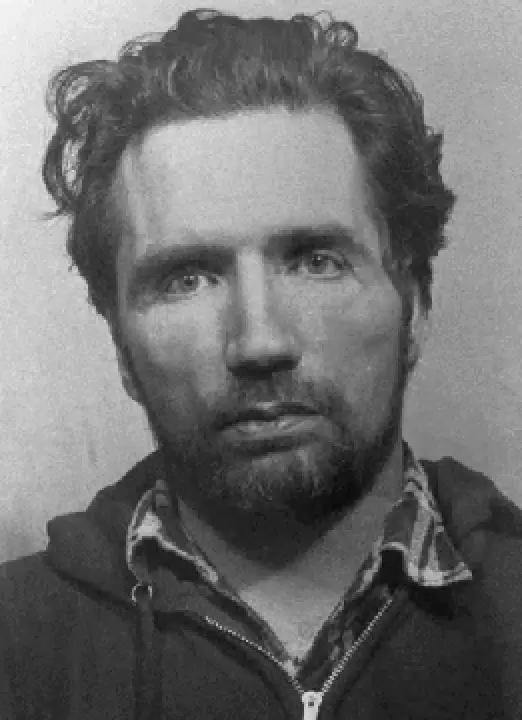
“When they got him into the death chamber they showed him the daughter he’d fathered through rape. All that bravado disappeared. God broke him at the end.”
Heidnik was executed in 1999 after being convicted of kidnapping, torturing and murdering six women in Philadelphia.
His crimes, carried out between 1986 and 1987, involved keeping victims imprisoned in a pit he had dug in the basement of his home.
His case later helped inspire elements of Buffalo Bill in The Silence of the Lambs.
In the decades since, Heidnik has remained one of the most notorious names in Pennsylvania criminal history, not only because of the brutality of his crimes but also because his execution on July 6, 1999, was the last carried out in the state.
Since leaving prison, Yarris has devoted much of his time to speaking out against the death penalty. In recent years, his case has drawn renewed attention as wrongful-conviction and innocence campaigns have pushed the issue back into the public conversation, including amid a broader national debate over the reliability of capital punishment.
Yarris has also remained visible in popular culture. His story was the subject of the 2015 documentary The Fear of 13, and in 2026 it was adapted for Broadway, bringing renewed attention to the decades he spent fighting to clear his name.
Meanwhile, the person who killed Linda Mae Craig has never been identified.
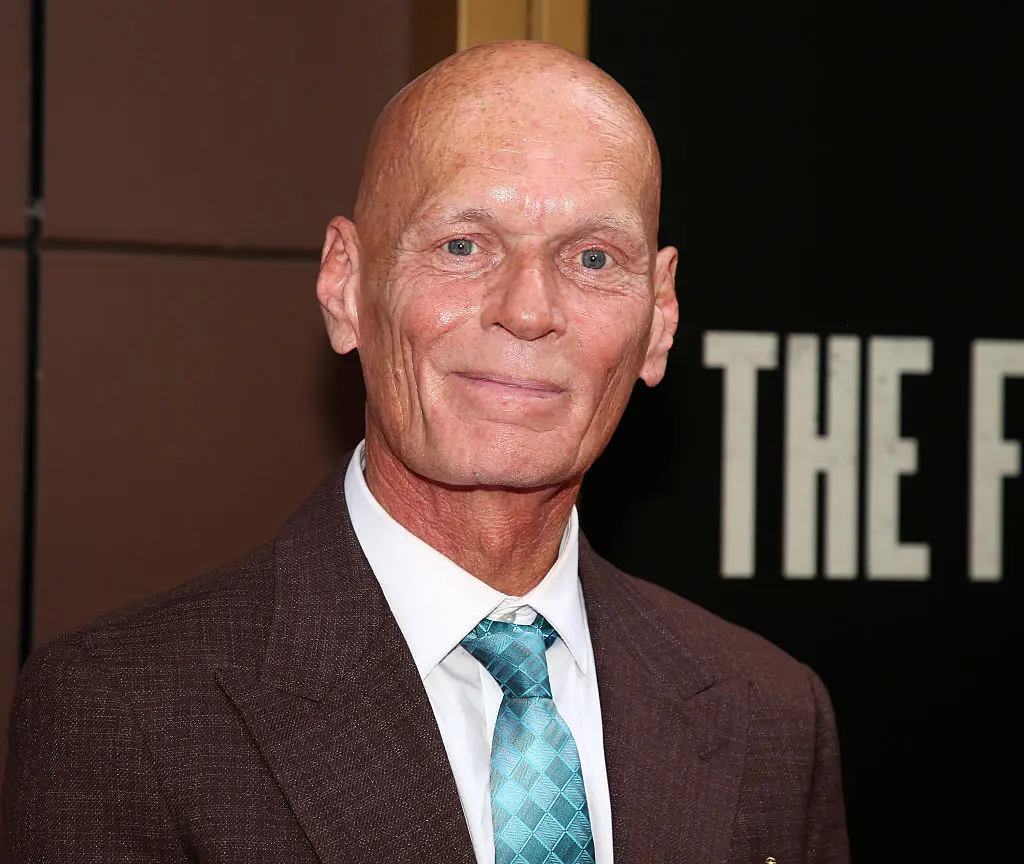
Craig, 32, was abducted after finishing work as a sales associate on December 16, 1981. Her body was discovered the next day in a church car park, where officers found she had been beaten, stabbed and sexually assaulted.
Investigators said her winter clothing had been cut open during the attack.
More than four decades later, her killer still has not been found.
Just four days after Craig’s body was discovered, Yarris – then 20 years old – was stopped in Pennsylvania over a traffic violation.
The encounter escalated violently and he was arrested for the attempted murder of a police officer.
While being held, Yarris accused someone he knew of killing Craig. When investigators eliminated that person, they instead focused on Yarris.
Police later claimed that when he was asked whether he meant to kill the victim, he replied, ‘I never meant to kill anyone’, and they treated that as a confession.
If you’ve been affected by any of the issues in this article, you can contact The National Sexual Assault Hotline on 800.656.HOPE (4673), available 24/7. Or you can chat online via
online.rainn.org