

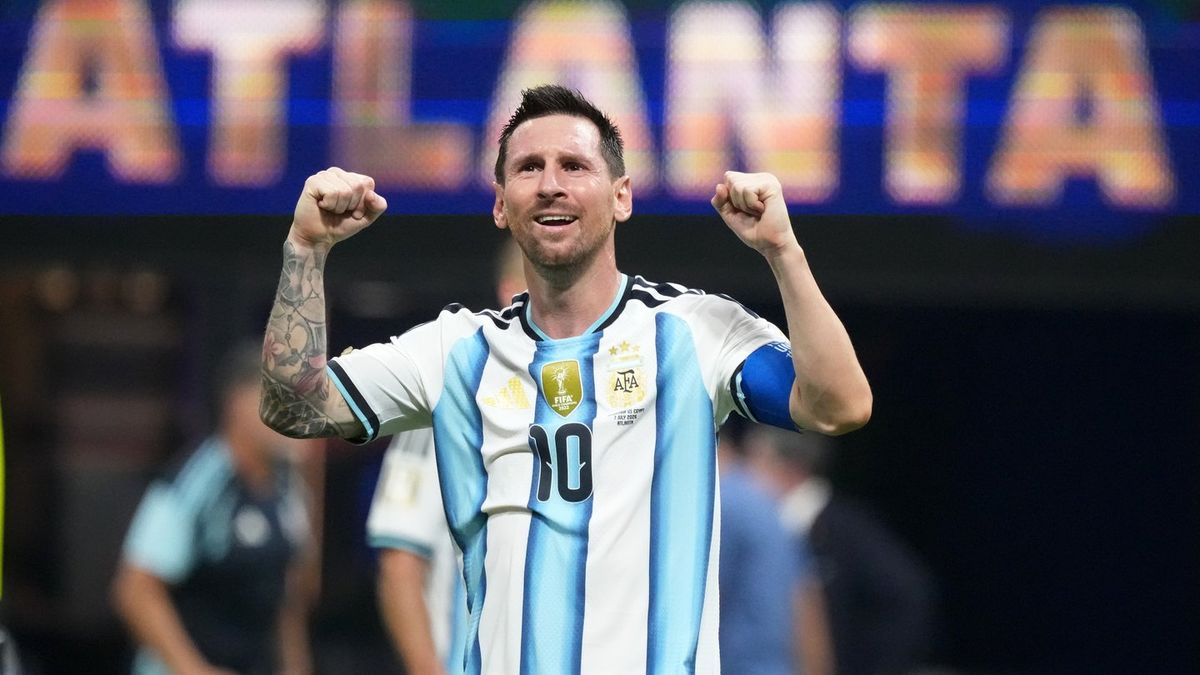
The doctor who helped Lionel Messi after he was diagnosed with a growth hormone deficiency at about 10 years old has looked back on the extraordinary path that led him to football stardom, describing it as something out of a movie.
Now 39 and still playing at the highest level for Inter Miami and Argentina, Messi has long since turned childhood adversity into one of the most remarkable careers in football history. He has gone on to win the FIFA World Cup, multiple Copa América titles and countless club honours, but the road to greatness was far from straightforward.
Lionel Messi is already regarded by many as one of the finest players the sport has ever seen, but his display in Argentina’s clash with England on Wednesday still left plenty of viewers stunned.
England may have struck first, but Argentina responded quickly and with real intensity. The standard of the game was remarkable, and Messi once again became the centre of attention whenever he moved with the ball at his feet.
His rise to the top, though, was far from straightforward.
Alongside the years of dedication, training and sacrifice required to reach the highest level, Messi also had to deal with health issues as a child, including treatment for a growth hormone deficiency.
Dr Diego Schwarzstein, speaking to talkSPORT, remembered meeting Messi when he was around 10 years old and said:
“No one could imagine that Leo will develop his career. Neither him, because this is like a film script his life. When he was 10 years old he wanted to be a football player but I think he didn’t imagine his career.”
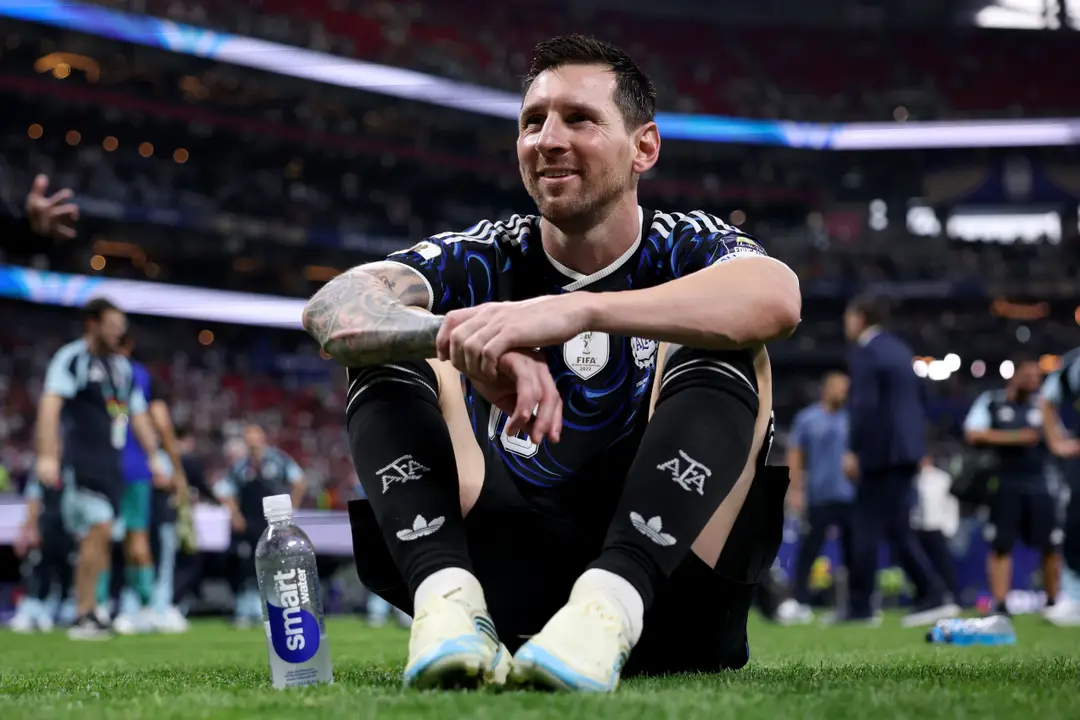
Messi’s performances throughout the tournament have drawn huge praise, both for his ability and for maintaining such a high level later in his career.
His height has often been part of the conversation as well, with the footballer standing at 5ft7.
Asked what Messi was like physically as a child, Dr Schwarzstein said that at 10 years old he was simply ‘just a regular kid’.
Later, however, Messi was diagnosed with a growth hormone deficiency.
Dr Schwarzstein made clear that he was not responsible for Messi becoming an all-time great, but said he was able to help by identifying the condition and ensuring he received the right treatment, allowing him to develop properly.
Messi has previously spoken about that period himself and explained how demanding the treatment was.
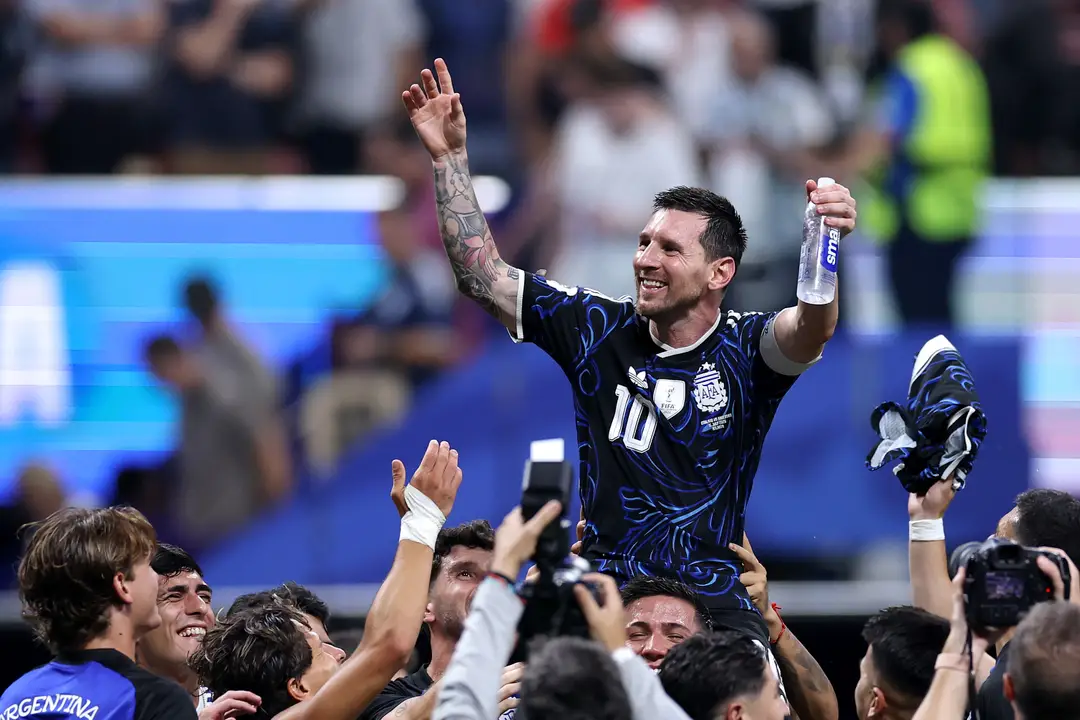
The Telegraph quotes Messi explaining he had to ‘stick a needle into [his] legs’ every night, ‘night after night after night, every day of the week’ for ‘a period of three years’.
“I was so small, they said that when I went onto the pitch, or when I went to school, I was always the smallest of all. It was like this until I finished the treatment and I then started to grow