


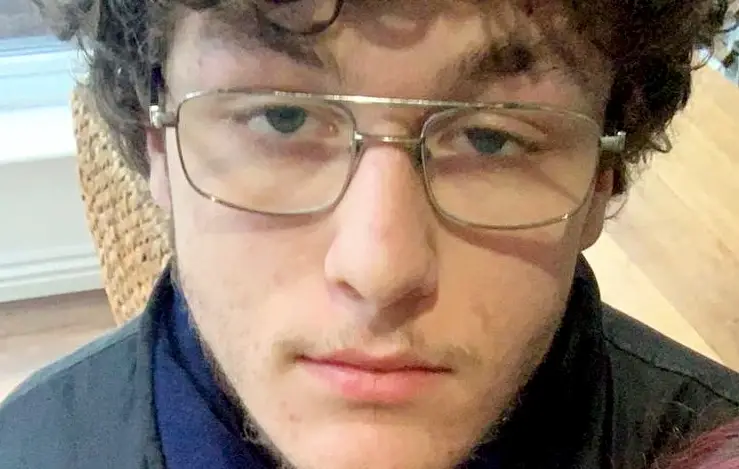
A young artist from Bedford, England, died only four weeks after he first began showing symptoms, after his family says doctors initially believed he was dealing with an ear infection.
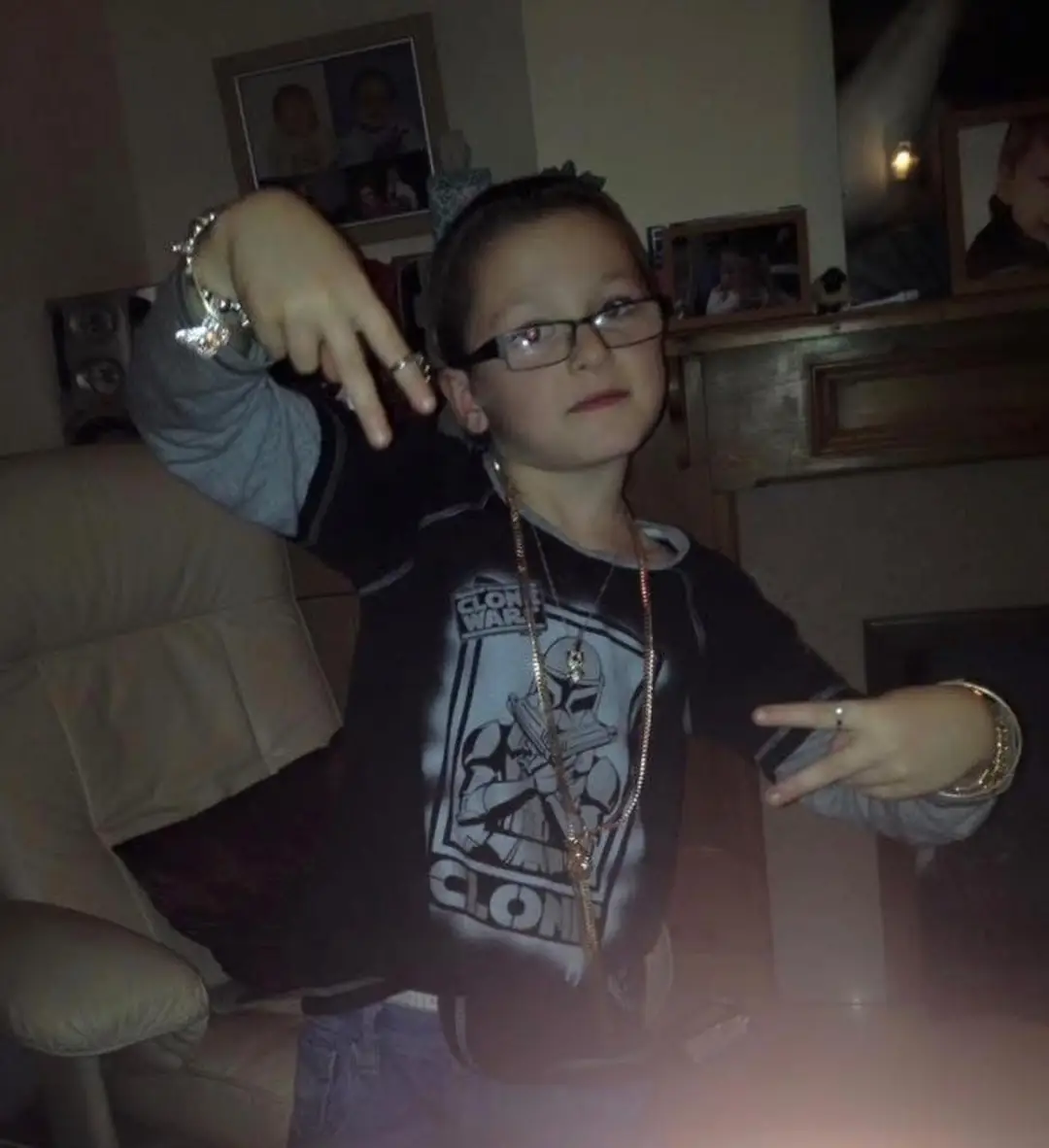
Tyler Morton was 21 when he first complained of pain in his ear in January. Not long afterward, the left side of his face became numb and he began having difficulty walking, alarming those close to him.
When he was taken to hospital, his family says he was diagnosed with an ear infection and discharged with antibiotics. But instead of improving, Tyler’s health deteriorated quickly.
He soon began vomiting and then lost movement across the entire left side of his body.
His sister, Ella Morton, 19, who works as a mechanic, said an initial CT scan failed to identify the cause of his symptoms. She said Tyler was then told he had vertigo and was prescribed medication for nausea, but it did not ease what he was going through.
“I took him back to the hospital; when we arrived, he had two seizures,” Ella said. “He was physically disabled by this point and could barely talk.”
Five days later, another CT scan found a lesion on Tyler’s brain. He was then referred to a specialist hospital in Cambridge for further imaging and a biopsy.
About a week later, the family learned he had grade 4 glioblastoma, a fast-growing and incurable brain cancer.
Doctors said he was already too unwell to begin treatment because his body would not have been able to withstand it. Tyler died on March 25.
“Three weeks earlier, he was walking and talking, and now he couldn’t do anything himself,” Ella said. “He was just a body at that point. Tyler was discharged from hospital to basically pass away at home.”
Glioblastoma remains one of the deadliest forms of cancer diagnosed in the United States. The American Cancer Society estimates that 18,350 people will die from malignant brain and other nervous system tumors in 2026, and brain cancer is the ninth leading cause of cancer death overall.
For glioblastoma specifically, the five-year relative survival rate is about 7 percent and median survival is about eight months. Experts say outcomes remain poor because the disease grows quickly, is difficult to remove completely with surgery, and can be resistant to treatment.
In the United States, an estimated 26,710 people are expected to be diagnosed with malignant brain tumors in 2026, with glioblastoma accounting for a large share of those cases.
Even after years of scientific study, progress has been limited compared with the advances made against many other forms of cancer.
Ella said she understood that cancer can appear anywhere in the body, but had not grasped how severe the effects could be when the disease is in the brain. She also said the treatments available are much more restricted than they are for many other cancers.
“I was so angry and upset that we hadn’t found out he had a brain tumor sooner,” she said. “If they had found it sooner, he probably would have had the chance to have chemotherapy. At least that would have felt like we tried.”
Brain Tumour Research says that since records began in 2002, only 1 percent of the UK’s national cancer research budget has historically been directed toward brain tumours. The charity says this is despite the disease killing more children and adults under 40 than any other cancer.
Dr Karen Noble, director of research and policy at Brain Tumour Research, said Tyler’s story “reflects the devastating reality faced by so many families,” and urged greater funding for glioblastoma research. She also called for broader access to clinical trials and for inequalities in genome sequencing access to be addressed, saying those steps could help patients benefit from newer treatments.
During Glioblastoma Awareness Week, which runs from July 13 to 19, Ella has been working to draw attention to the disease. In May, she completed a 200-kilometer fundraising challenge and raised more than $1,650 for Brain Tumour Research.
“What happened to Tyler was such a traumatizing experience and I don’t want anyone else to go through that,” she said