

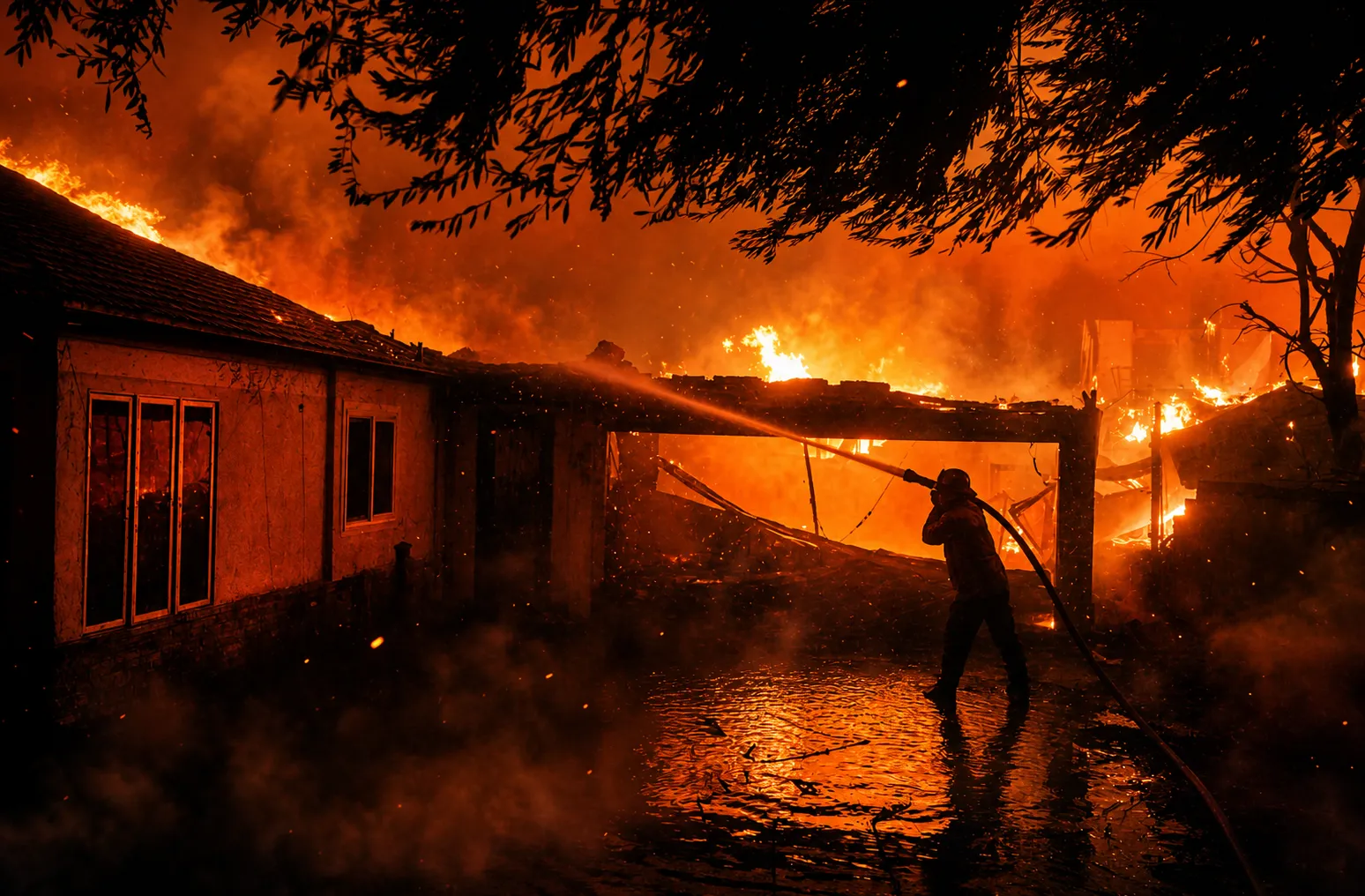
Wildfire smoke is one of the deadliest public health threats facing Americans today, killing tens of thousands annually through mechanisms that have only recently become understood by scientists. A growing body of evidence shows the smoke’s tiny particles penetrate deep into the lungs and bloodstream, triggering inflammation and damaging vital organs in ways that cause respiratory disease, cardiovascular disease, and premature death.
Recent research paints an alarming picture of the scale of the problem. One study published in February 2026 found that from 2006 to 2020, long-term exposure to fine particulate matter from wildfire smoke contributed to an average of 24,100 deaths per year in the lower 48 states. Earlier research from September 2025 estimated even higher figures, suggesting wildfire smoke is responsible for more than 41,000 deaths annually in the United States, with projections that this toll could climb to 71,000 annually by 2050, making it the deadliest climate-driven health threat Americans will face.
The culprit is something called PM2.5—particles so tiny they are about one-twentieth the diameter of a human hair. These microscopic particles are the primary concern in wildfire smoke, far more dangerous than coarser pollution from other sources. Unlike larger particles that get trapped in the upper airways, PM2.5 bypasses the body’s natural defenses and penetrates deep into the lungs where it lodges in the smallest air sacs. From there, these particles can even cross into the bloodstream, where they trigger inflammation and impair vital organs.
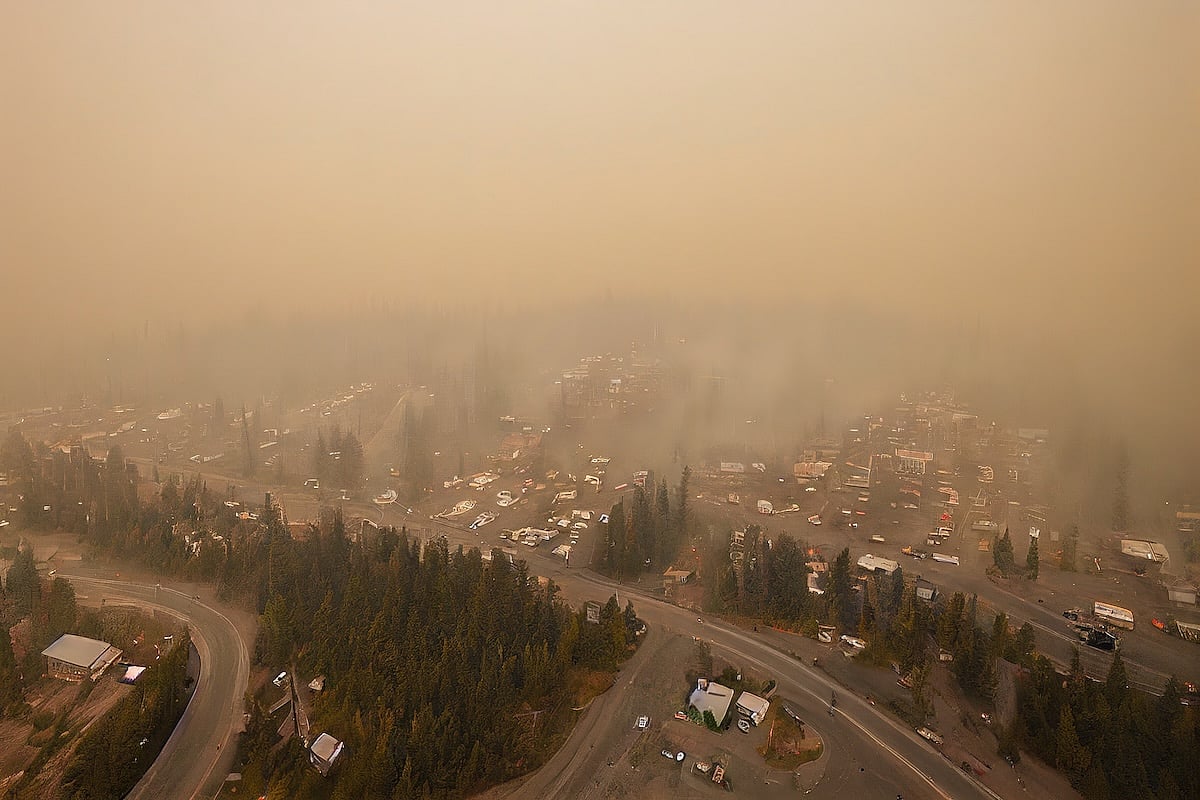
Research shows that wildfire smoke particles are inherently more toxic than particulate matter from other sources like vehicle exhaust. Scientists examining 14 years of hospital admissions data found that wildfire-specific PM2.5 caused increases in respiratory hospitalizations ranging from 1.3 to 10 percent per unit increase, compared to just 0.67 to 1.3 percent for non-wildfire PM2.5. This greater toxicity likely stems from the chemical composition of wildfire smoke, which contains a complex mixture of organic compounds, heavy metals, and other hazardous substances not present in typical urban pollution.
The health effects begin almost immediately. Short-term exposure causes coughing, itchy eyes, and scratchy throats. But the damage goes far deeper. Within days of breathing heavy smoke, people experience acute exacerbations of asthma and chronic obstructive pulmonary disease. Studies document that respiratory hospital admissions surge during and after smoke events. One investigation found that emergency room visits for heart attacks increased 42 percent within a day of exposure to dense wildfire smoke, while visits for ischemic heart disease rose 22 percent, with the effects most pronounced in adults age 65 and older.
The cardiovascular damage occurs through multiple pathways. When tiny particles enter the bloodstream, they trigger systemic inflammation that disrupts blood vessel function and can accelerate the development of atherosclerotic plaque. Research shows that exposure to heavy smoke during wildfires raises the risk of out-of-hospital cardiac arrest up to 70 percent. PM2.5 exposure may also accelerate ventricular remodeling and heart failure, increasing hospitalizations and deaths from cardiovascular causes.
Wildfire smoke poses particularly grave risks to vulnerable populations. Children face developmental hazards from smoke exposure, which can stunt lung function growth and increase their lifetime risk of chronic respiratory disease. Pregnant women exposed to wildfire smoke face increased risks of preterm birth, low birth weight, gestational diabetes, and hypertension during pregnancy. Older adults are more susceptible to acute cardiovascular events. People with pre-existing lung disease, heart disease, diabetes, or other chronic conditions face the greatest risks from smoke exposure.
The problem is worsening rapidly due to climate change. Exposure to harmful wildfire smoke in the United States was four times higher during 2020-2024, on average each year, than during 2006-2019. Longer fire seasons driven by warming temperatures, more intense droughts, and hotter, drier conditions have expanded the geographic footprint of wildfire smoke. Smoke from Canadian wildfires is now regularly reaching the Midwest, Northeast, and other distant regions. The reach is remarkable: there is no safe level of long-term exposure to wildfire-related air pollution, and smoke can travel thousands of miles from its source, affecting people far from the actual fires.
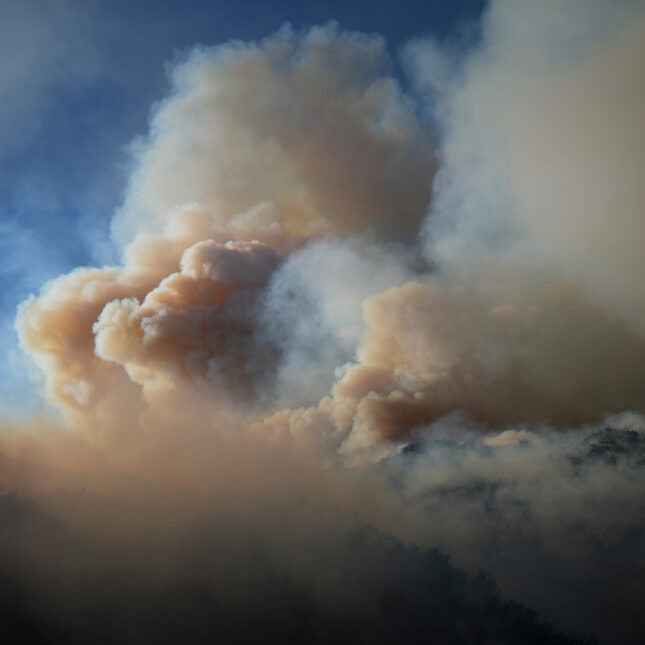
The mechanisms through which wildfire smoke damages health are sophisticated. The tiny particles trigger oxidative stress in the lungs and bloodstream, generating free radicals that damage cell membranes and DNA. This oxidative stress drives chronic inflammation, impairing lung function and vascular endothelial function—the protective lining of blood vessels. Research has found that wildfire smoke exposure affects immune function, altering gene expression in immune cells and inflammatory markers in ways that persist long after the smoke has cleared.
Some research suggests the smoke may even cross the blood-brain barrier and embed in the brain itself, potentially contributing to neurological disease. Scientists have documented associations between wildfire smoke exposure and mental health problems, though more research is needed. The scope of health effects is broad—studies link wildfire smoke to increased risks not only of respiratory and cardiovascular disease, but also endocrine disease, kidney disease, and digestive disease.
Because wildfire death certificates typically don’t list smoke as the cause, the true death toll remains officially uncounted. Researchers identify smoke-related deaths through epidemiological studies that link exposure data to mortality records, revealing deaths that official tallies miss. The Los Angeles fires of January 2025 illustrate this gap: official counts reported 30 deaths from the fires themselves, but one estimate suggested that accounting for smoke-related deaths raised the total to 440 or more.
As wildfires intensify across North America and smoke continues to spread across regions hundreds of miles away, public health experts warn that protecting respiratory and cardiovascular health from smoke exposure should be a priority. This may involve monitoring air quality forecasts, using properly fitted N95 or KN95 masks when smoke is present, keeping windows closed during smoke events, and using air purification systems indoors. For people with heart or lung conditions, the stakes are particularly high. Exposure can trigger acute health crises requiring emergency care.
The evidence is now overwhelming: wildfire smoke is not a minor annoyance but a major killer reshaping the landscape of American health threats. As climate change makes the western United States, Canada, and other fire-prone regions hotter and drier, smoke exposure and its deadly consequences will only grow more severe without significant action to reduce emissions and adapt to this emerging crisis.