

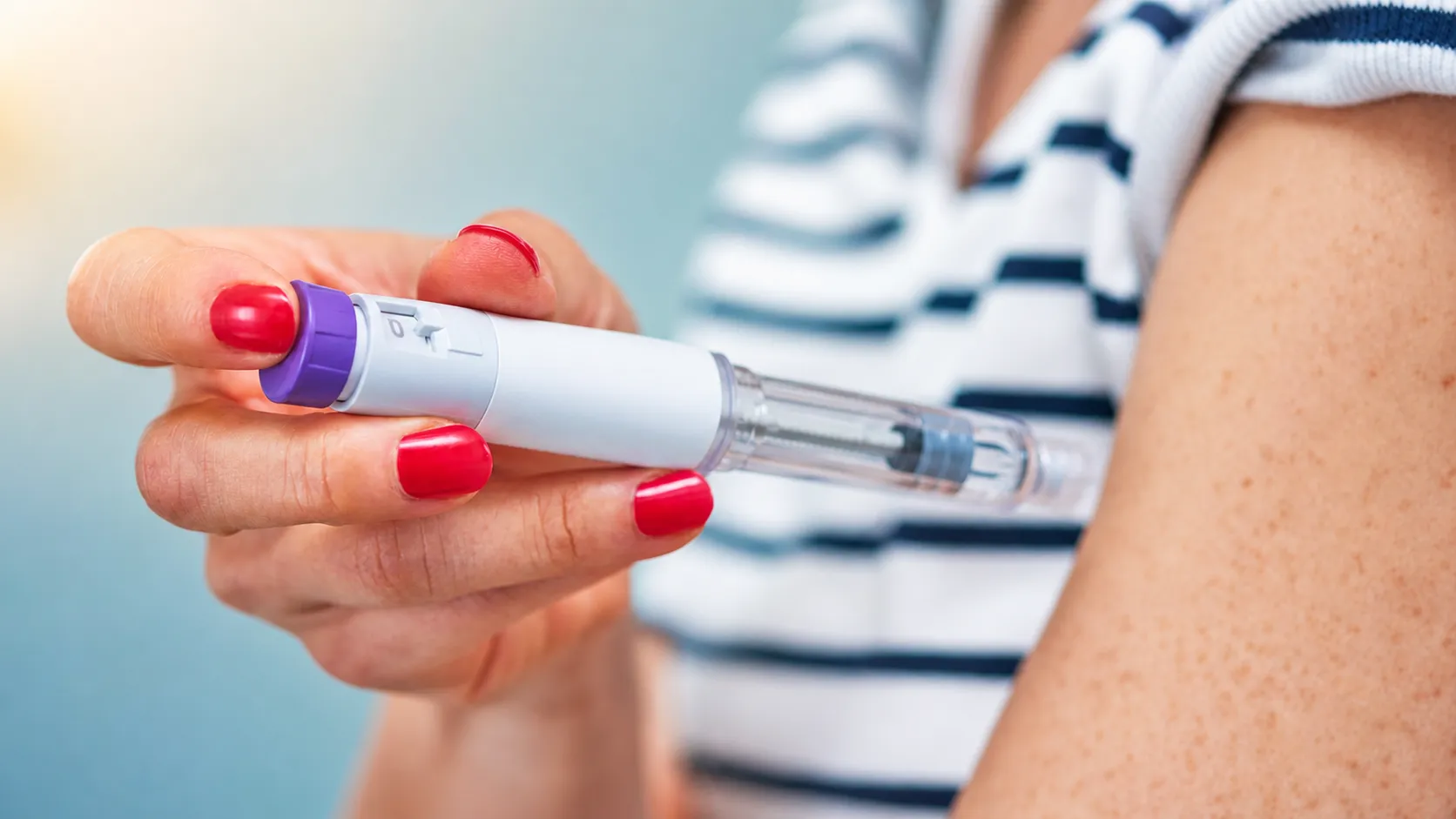
Social media posts have been spreading the idea that high cortisol from stress can make GLP-1 weight loss medications ineffective, but obesity specialists say there is no evidence to support that claim.
When Medscape Medical News asked four physicians who specialize in obesity medicine whether chronic stress and elevated cortisol reduce the effectiveness of GLP-1 drugs, all four rejected the theory.
They said the claim has become increasingly common online, even though current research does not show that day-to-day stress shuts down how these medications work.
Doctors also noted that patients are bringing up the issue more and more in appointments.
Kevin R. Gendreau, a family medicine and obesity medicine physician at Signature Healthcare in Brockton, Massachusetts, said he has been hearing the concern “almost weekly now”.
“Cortisol does not switch off your GLP-1,” Gendreau said. “There is no good evidence that everyday stress makes these medications stop working.”
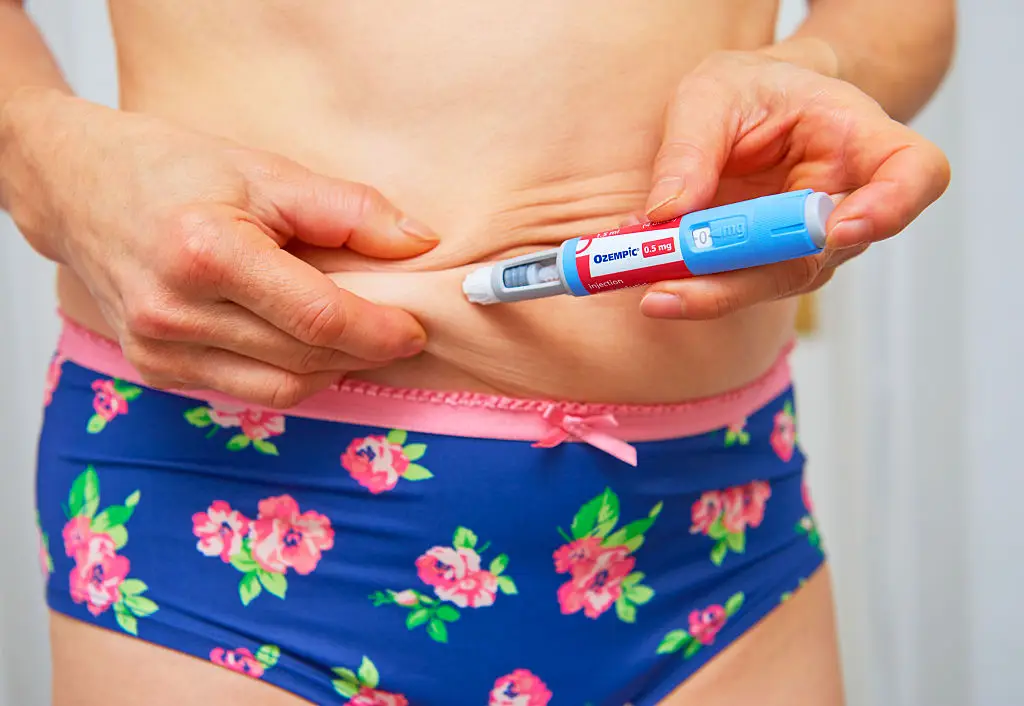
He explained that stress may still affect a person’s progress, but not because it blocks the drug itself.
According to Gendreau, stressful stretches can make it tougher to stick to healthy routines. People may sleep less, exercise less, choose more calorie-dense comfort foods, drink more alcohol, and fall out of consistent habits.
“That can slow the scale,” he said, “but the medication is still doing its job.”
He also said the theory may actually get the science the wrong way around, arguing that GLP-1 medications can help some patients manage stress-related eating by reducing “food noise” and emotional eating.
That idea is consistent with recent obesity research suggesting GLP-1 drugs can affect appetite-related brain pathways and reduce intrusive thoughts about food, which may be one reason many patients describe a sudden drop in cravings after starting treatment.
Caroline M. Apovian, co-director of the Center for Weight Management and Wellness at Brigham and Women’s Hospital in Boston, shared the same view, saying, “There’s no science behind these claims”.
Sarah Stombaugh, a family medicine and obesity medicine physician in Charlottesville, Virginia, said she is often asked the same question. She urged people to be wary of anyone promoting the cortisol explanation while also marketing supplements or stress-management products.

Robert L. Dubin, an associate professor at the Pennington Biomedical Research Center at Louisiana State University in Baton Rouge, said published research does not back the idea that normal, everyday cortisol changes stop GLP-1 treatments from working.
He said that conclusion applies to typical cortisol fluctuations, not the much higher levels seen in endocrine conditions such as Cushing syndrome.
Dubin added that while activating the GLP-1 receptor may briefly stimulate the body’s stress-hormone system, long-term use has not been shown to cause lasting increases in cortisol.
He also pointed to a small study that compared people who responded well to GLP-1 treatment with those who did not. The study found no major difference in cortisol levels between the groups, suggesting stress hormones are unlikely to explain why weight loss results vary from person to person.
Dubin said that even when a patient has clinically meaningful cortisol excess, there is still no evidence that it creates true resistance to GLP-1 medications. In those cases, he said, any hormonal disorder should be properly diagnosed and treated on its own rather than assuming a higher GLP-1 dose is the answer.
In general, experts say cortisol testing is not part of routine weight-loss care unless a patient has symptoms that raise concern for Cushing syndrome, such as unexplained bruising, muscle weakness, a rounded face, a fatty hump between the shoulders, or new, difficult-to-control high blood pressure or diabetes.
Even then, physicians say the most important issue is treating the underlying disorder, not expecting stress alone to explain a poor response to obesity medication.
Eli Lilly and Novo Nordisk have been approached for comment.