

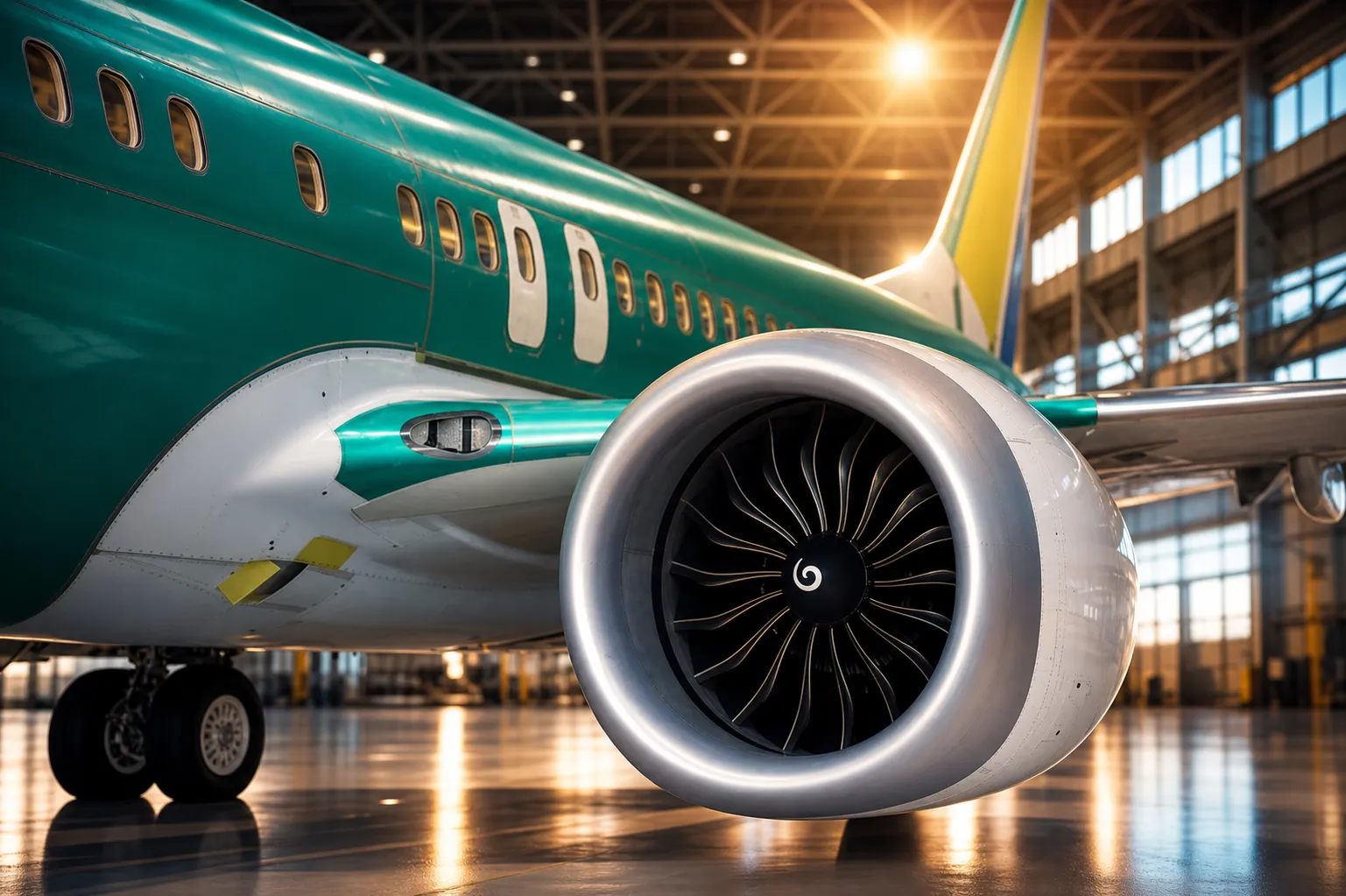
After more than six years of intense regulatory scrutiny and years of safety crises, the Federal Aviation Administration on Friday announced that Boeing will be allowed to resume its authority to certify that all of its 737 Max and 787 Dreamliner aircraft are airworthy and safe to fly, beginning Monday. This marks a significant milestone for the aerospace company as it works to rebuild confidence with regulators, airlines, and the flying public.
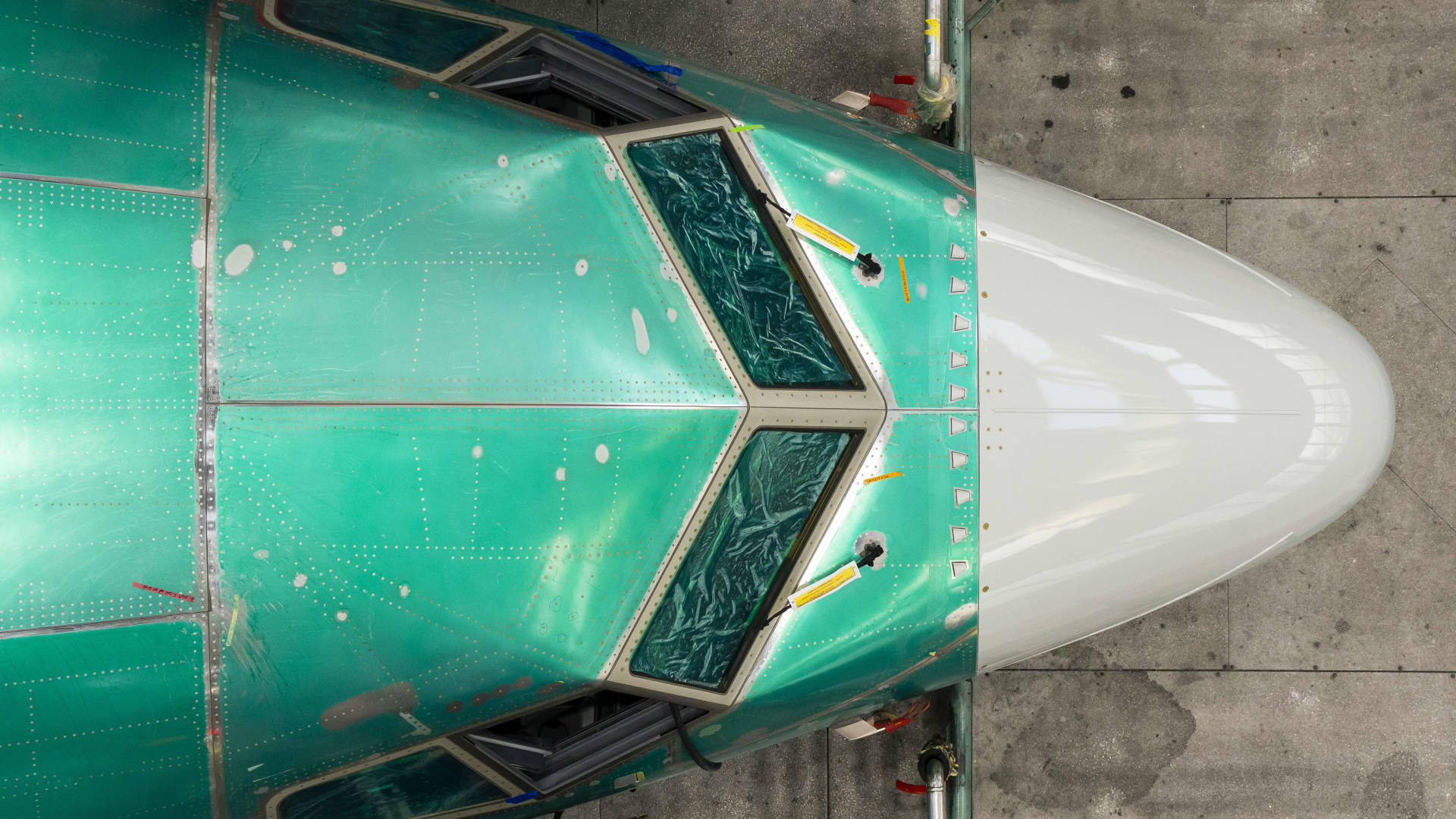
The decision comes after months of rigorous review demonstrating that Boeing’s manufacturing processes now meet safety standards comparable to those maintained by FAA inspectors. The agency said that over the past eight months, when Boeing had issued airworthiness certificates for only some of its planes in an alternating arrangement with FAA inspectors, both the manufacturer and federal inspectors found comparable production quality results. This parity in findings formed the basis for the FAA’s confidence in allowing Boeing to assume full certification responsibility.
“Safety drives everything we do, and this step forward is only possible because we are confident it can be done safely,” FAA Administrator Bryan Bedford said.
The return of certification authority represents a critical turning point for Boeing, which has faced relentless challenges to its reputation and regulatory standing since 2018. That year, a Lion Air 737 Max crashed in Indonesia, followed by an Ethiopian Airlines crash the following year. Both accidents were traced to a faulty Boeing-designed software system called the Maneuvering Characteristics Augmentation System, or MCAS, and killed 346 people. The crashes prompted a worldwide grounding of the Max fleet for more than a year and led the FAA to strip Boeing of its authority to issue airworthiness certificates for the aircraft.
The company’s troubles deepened in January 2024, when a door plug blew off an Alaska Airlines 737 Max 9 moments after takeoff, a near-catastrophic incident that exposed ongoing quality control problems at the manufacturer. That incident prompted the FAA to impose a cap on 737 Max production at 38 aircraft per month. The FAA has since gradually eased that cap and it now stands at 47 aircraft per month for this summer, though Boeing has expressed interest in increasing production further.
The 2019 FAA decision to revoke Boeing’s certification authority for the 737 Max followed a finding that the company had failed to disclose critical information about MCAS to regulators and customers. For the 787 Dreamliner, the FAA suspended certification authority in 2022 after documenting ongoing production quality issues, particularly with fuselage joints and structural components.
In September 2025, the FAA took the first step in what has proven to be a gradual restoration of trust by allowing Boeing to issue airworthiness certificates for some of the two aircraft types on an alternating weekly basis with FAA inspectors. That arrangement freed federal inspectors to focus more intently on critical stages of the manufacturing process, quality trends, and oversight of Boeing’s safety management system. Critically, inspectors remained embedded at Boeing’s factories to ensure the company’s employees could report safety concerns without fear of retaliation.
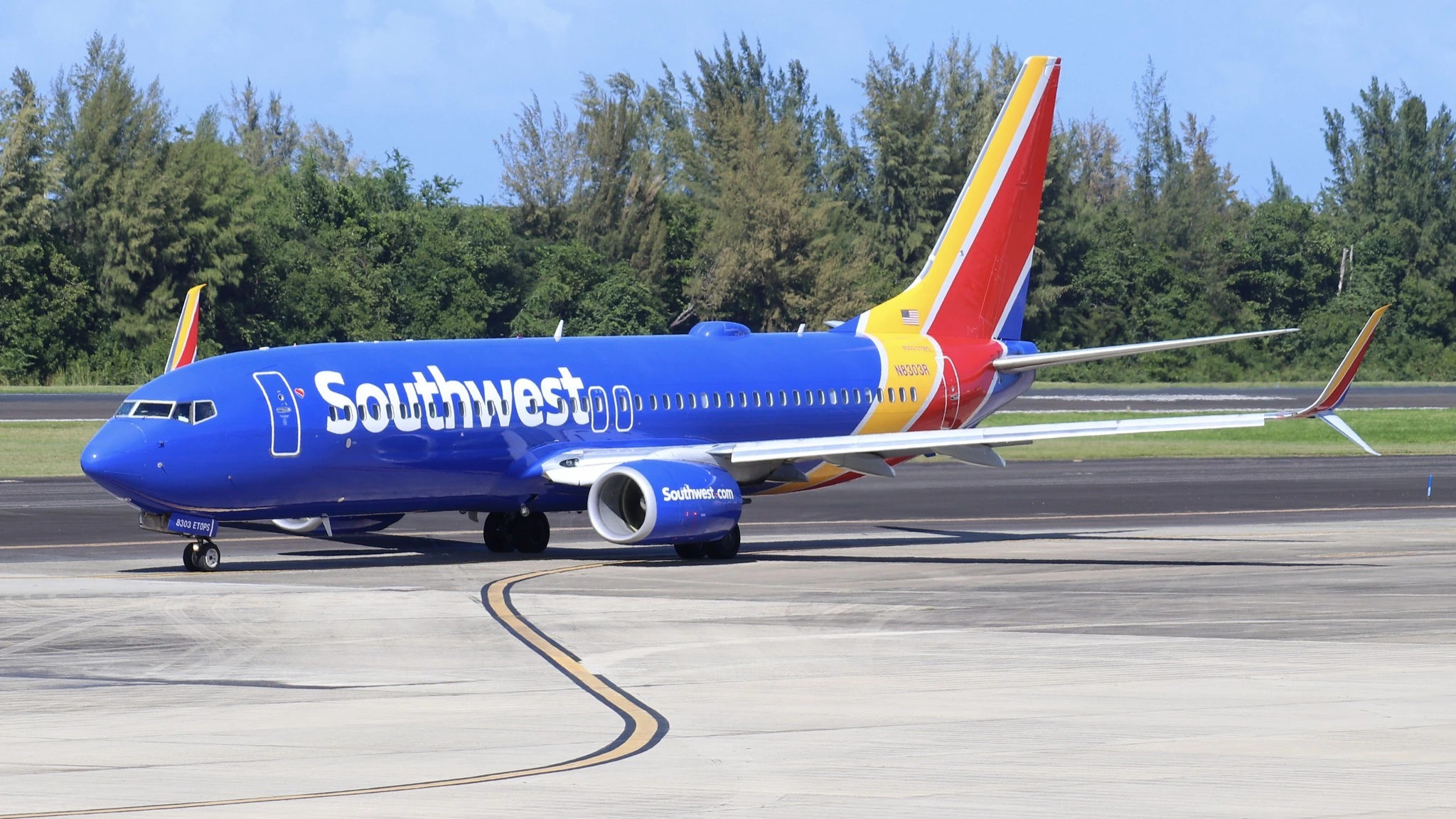
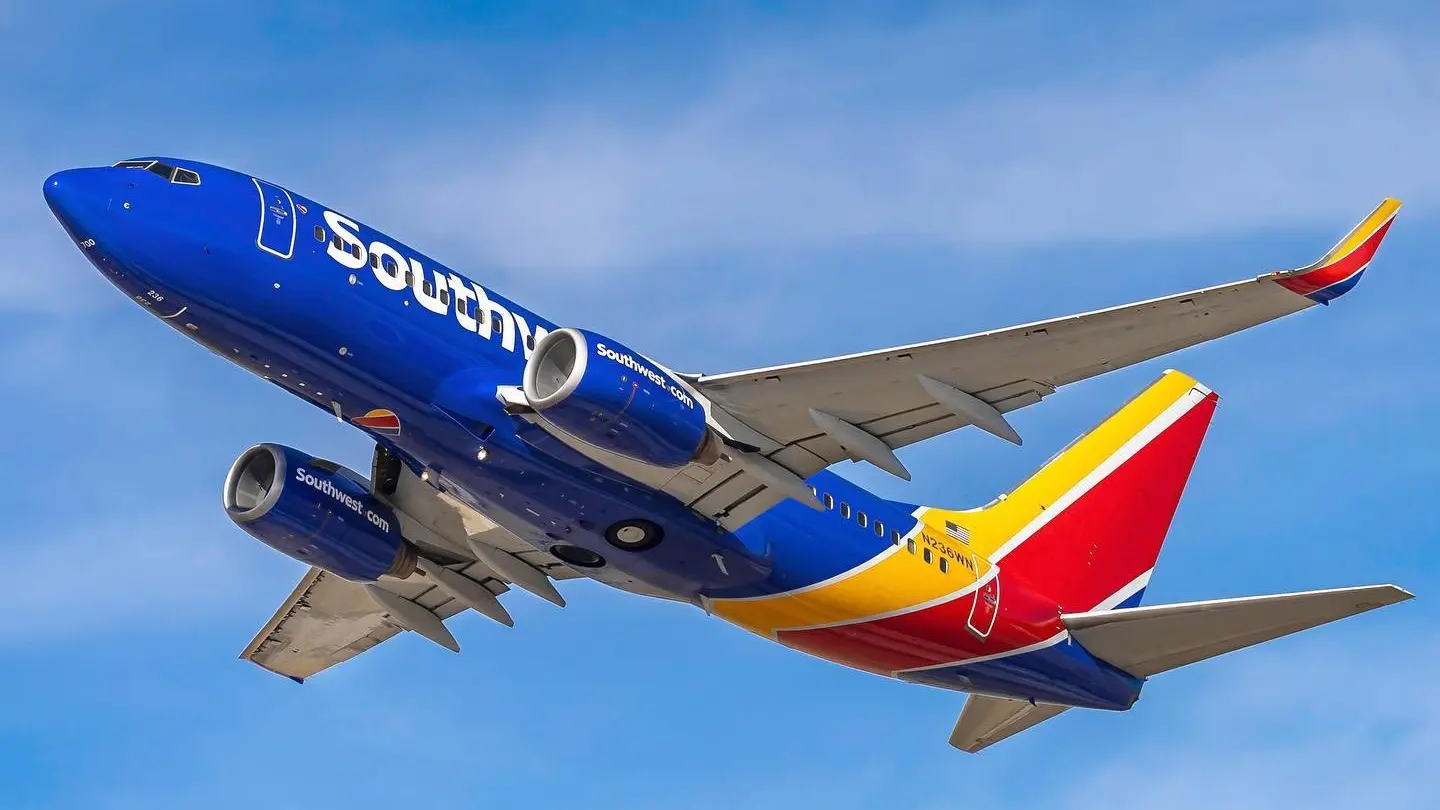
The newly announced expansion to full certification authority represents Boeing’s second major certification milestone. Just months earlier, Southwest Airlines, which has been waiting years for the 737 Max 7 variant, is expected to take delivery of the long-delayed aircraft following its anticipated FAA certification in coming weeks. The Max 7 and the larger Max 10 variant complete Boeing’s single-aisle lineup after years of certification delays triggered by design challenges and the need for software and hardware redesigns.
To reach this point, Boeing undertook a comprehensive overhaul of its operations. The company changed its executive leadership, installed new production processes, increased transparency in communications with regulators, and implemented extensive training for employees on safety protocols. Boeing also submitted to an FAA expert panel review of its safety management systems, with the panel making 53 recommendations in 2024. The FAA has said it is tracking completion of each recommendation and that Boeing is comprehensively addressing all of them.
Industry observers noted that while the FAA’s decision represents a significant vote of confidence, Boeing remains under close watch. The company’s authorization is conditional, and the FAA emphasized it will maintain direct and rigorous oversight of Boeing’s production processes. Government inspectors will continue facility oversight but can now redirect resources toward identifying potential defects earlier in manufacturing rather than performing routine final certifications.
Bedford noted that inspectors will continue observing critical assembly stages, examining production trends, ensuring mechanics comply with approved designs and engineering requirements, and evaluating Boeing’s continued improvements in its Safety Management System. The focus on safety culture—particularly ensuring employees can report problems without fear of retribution—remains a cornerstone of the FAA’s oversight strategy.
For Boeing, the restoration of full certification authority comes at a moment when the company is seeking to expand production and stabilize its relationships with global airlines. Recent months have seen significant new aircraft orders, including Turkish Airlines’ announcement of plans to purchase 75 Dreamliners and up to 150 Max jets, alongside Norwegian Group’s order for 30 MAX aircraft. These commitments reflect growing confidence that Boeing’s recovery is taking hold.
However, the FAA’s decision also carries an implicit warning. Trust, the agency has made clear, remains fragile. Any future safety lapses or quality problems could prompt the FAA to reverse course and reinstate restrictions on Boeing’s certification authority. In that respect, the burden of sustained performance now falls squarely on the manufacturer to prove that the reforms undertaken over the past several years represent genuine, lasting change in how the company designs, builds, and stands behind its aircraft.