

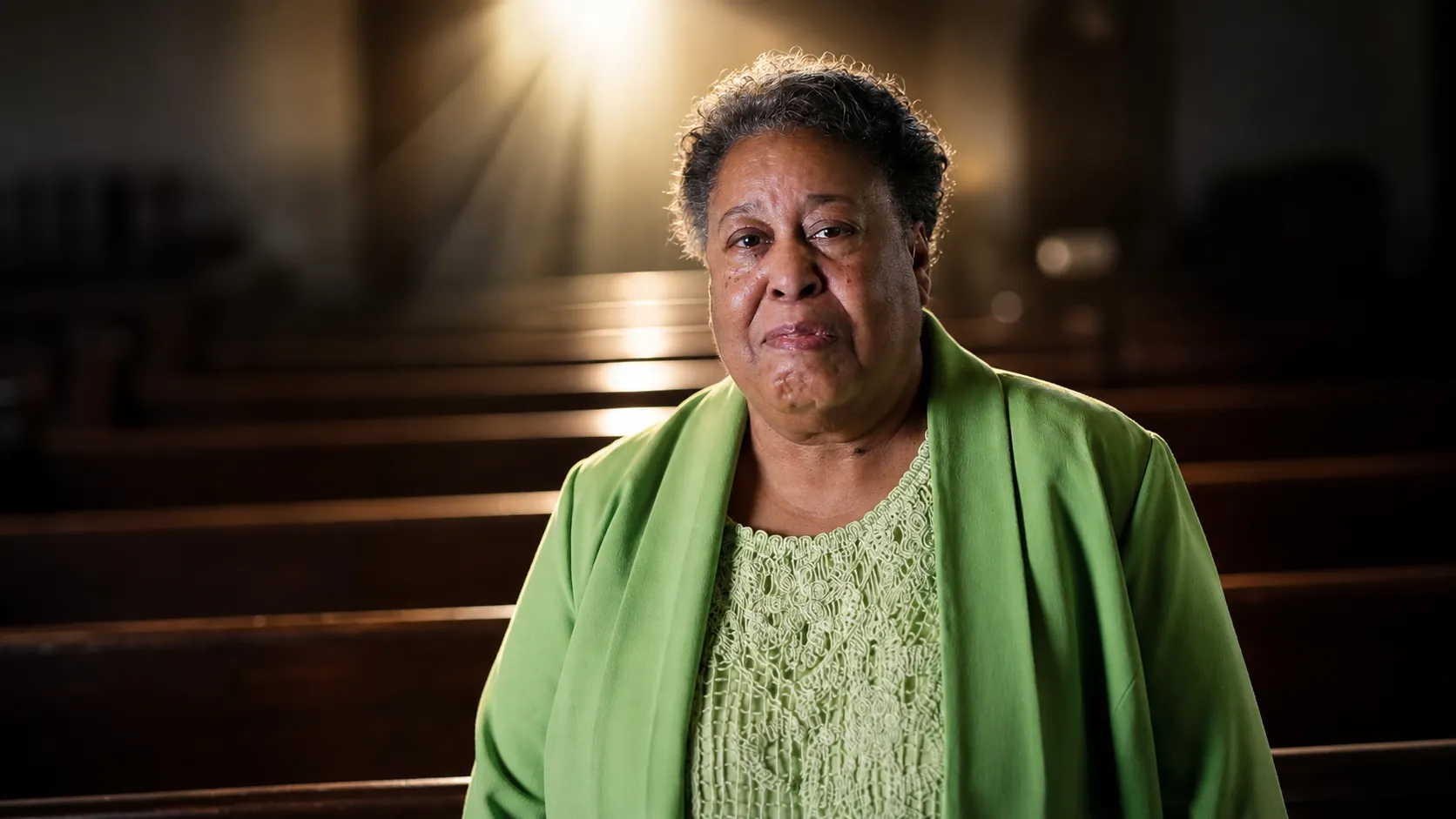
Clara Jean Ester, a civil rights activist who rushed to the side of Rev. Martin Luther King Jr. Moments after he was assassinated in Memphis in 1968, has died at age 78. She died on July 9, 2026.
Ester was a 19-year-old college student when she witnessed one of the pivotal moments in American history. She had gone to the Lorraine Motel on April 4, 1968, for dinner when she saw King chatting on the balcony with people below. Then she heard a gunshot. Ester ran to King’s side and attempted to help as he struggled for air. She tried to loosen his belt and asked someone to bring towels to help stanch the bleeding.
In recounting the moment decades later, Ester described what she saw with striking clarity. “I saw Dr. King thrown up in the air and then back down, hitting the pavement,” she wrote. “My friend Mary Hunter and I took off running up the stairs toward him. He was breathing but very slowly. I unbuckled his belt to help. His eyes were open. On the side of his head and neck was a pool of blood.”
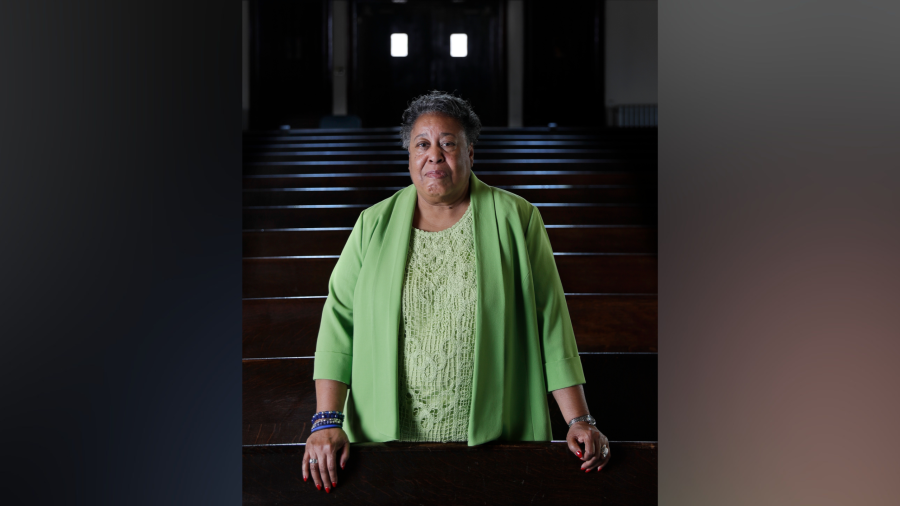
The experience marked Ester profoundly. When she was finally allowed to go home after being questioned by police at the hotel, her parents asked if she was okay. “I said, ‘No, I’m not OK. There’s something wrong with this.’ And it was many months later that I guess at some point, I just broke down,” she recalled years later. She left Memphis that summer to work elsewhere, and after completing her education, she left for good, eventually settling in Mobile, Alabama.
But the assassination also crystallized her commitment to fighting for justice. Growing up in Memphis, Ester had attended Centenary United Methodist Church, where her pastor was civil rights leader Rev. James Lawson. Even as a young girl, she had become aware of racial injustice, though the severity of it did not fully register until she witnessed the sanitation workers’ strike in 1968. As a student at LeMoyne-Owen College, she became heavily involved in the strike, organizing rallies and attending meetings. “I got to the point that I didn’t miss a mass meeting,” she said. “I picketed every day that the picket lines were up.”
The experience of witnessing King’s assassination and his teachings on nonviolence became the foundation for the rest of her life. “That day changed the course of history, not just for Memphis, but for the entire civil rights movement,” Ester said in reflecting on April 4, 1968.

After moving to Mobile, Ester found work as a neighborhood organizer at the Dumas Wesley Community Center, which serves vulnerable individuals and families. She eventually became the executive director of the center, a position she held until retiring in 2006 after 36 years of service. Even after retirement, she remained active in community work and social justice causes.
In 1986, Ester was commissioned as a deaconess in the United Methodist Church, a type of lay minister. She remained deeply engaged in church leadership throughout her life, serving as national vice president of United Methodist Women from 2016 to 2020, chairing the National Association of Deaconess, Home Missioner, and Home Missionary, and serving on the General Commission on Religion and Race beginning in 2024.
The passing of Ester marks a significant moment in the arc of civil rights history. With her death and the passing of Rev. Jesse Jackson Sr. In February 2026, King aide and former U.N. Ambassador Andrew Young is believed to be the last surviving eyewitness to King’s assassination. Ester had remained a voice for the voiceless throughout her life, particularly in addressing issues of injustice and advocating for those on the margins of society.
Methodist Bishop L. Jonathan Holston reflected on her legacy, saying: “Clara Ester was a faithful disciple whose life reflected the heart of Christ. She never stopped answering God’s call to serve others, to seek justice and to love without reservation.”
Services were held in both Mobile, Alabama and Memphis, Tennessee, the city where her life was forever changed on that spring afternoon in 1968.