

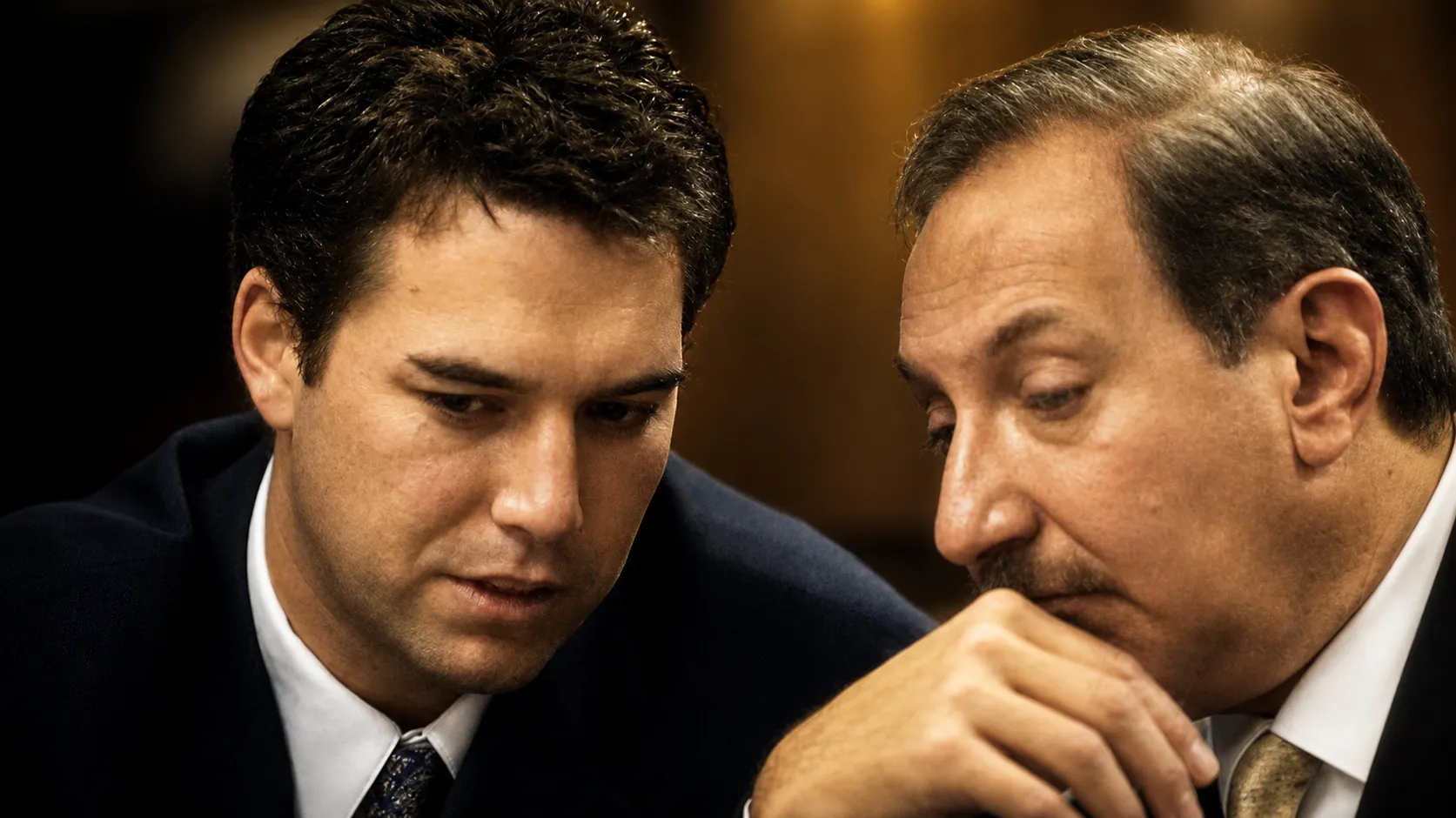
Attorneys for Scott Peterson argue that a prison officer’s tip, which they say was overlooked during the original trial, could support their claim that he was not responsible for the deaths of his wife Laci and their unborn son in December 2002.
Peterson was found guilty in 2004, and in 2021 his death sentence was reduced to life in prison without the possibility of parole. More than 20 years after the murders, the Los Angeles Innocence Project filed a new habeas petition in 2025 raising 14 evidentiary claims in an effort to challenge that conviction.
In April 2026, Judge Elizabeth M. Hill of the Superior Court of San Mateo County rejected the petition, writing that the claims were “neither new, admissible nor material”. The Los Angeles Innocence Project said it would appeal the ruling.
Those rejected arguments are now being revisited in the A&E documentary Scott Peterson: The New Evidence, which premiered on July 16, 2026 and continues to renew public debate around the case.
The filing points to several pieces of material the defence says deserve closer scrutiny, including eyewitness testimony, alleged handwritten notes from Laci, and a recorded inmate phone conversation they believe “could have changed the outcome of the case”.
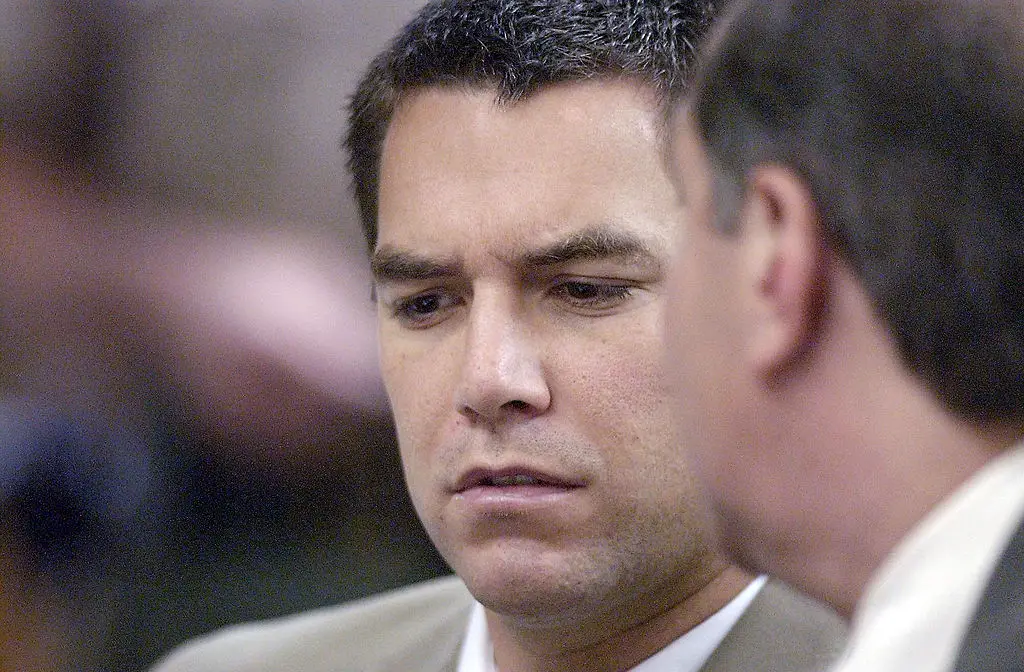
One of the main theories raised again in the documentary involves the reported burglary at the home of Rudy and Susan Medina, who lived on the same street as the Petersons.
The defence has long suggested that Laci may have encountered the burglars and that this confrontation led to her disappearance and death. Investigators, however, have consistently said there is no connection between the two events, maintaining the burglary happened on Boxing Day, two days after Laci vanished.
Included in the Innocence Project filing is an account from a former reserve police officer, who said he saw a pregnant woman being forced into the back of a van about three and a half miles from Laci’s home.
In addition to those eyewitness claims, the documentary also highlights information from Lieutenant Aponte at Norco Prison in California, which the defence says “connects the murder with the burglary”.
Aponte said a dorm officer gave him a recording of a phone call between inmate Shawn Tenbrink and his brother, Adam.
According to that account, Adam said he had heard that Laci knew Steven Todd and others were involved in the burglary, and that a verbal threat had then been made toward her.
If accurate, the defence argues this would back the idea that Laci was still alive and at home when Peterson left on December 24.

Aponte said he called the Modesto police tip line twice and eventually spoke with a detective. Police in Modesto and prosecutors dispute that version of events, and have said they never received the recording.
The final known communication from Laci was with her mother on December 23, 2002. Peterson later said she was alive the following morning and planning to walk the dog when he left to go fishing on San Francisco Bay.
In April 2003, the remains of Laci Peterson and her unborn child were discovered on a beach along San Francisco Bay. Peterson was arrested a few days later.
In 2026, the case has continued to draw renewed attention through both the new documentary and the latest round of post-conviction litigation, but Peterson remains serving his life sentence while the appeal process continues.