

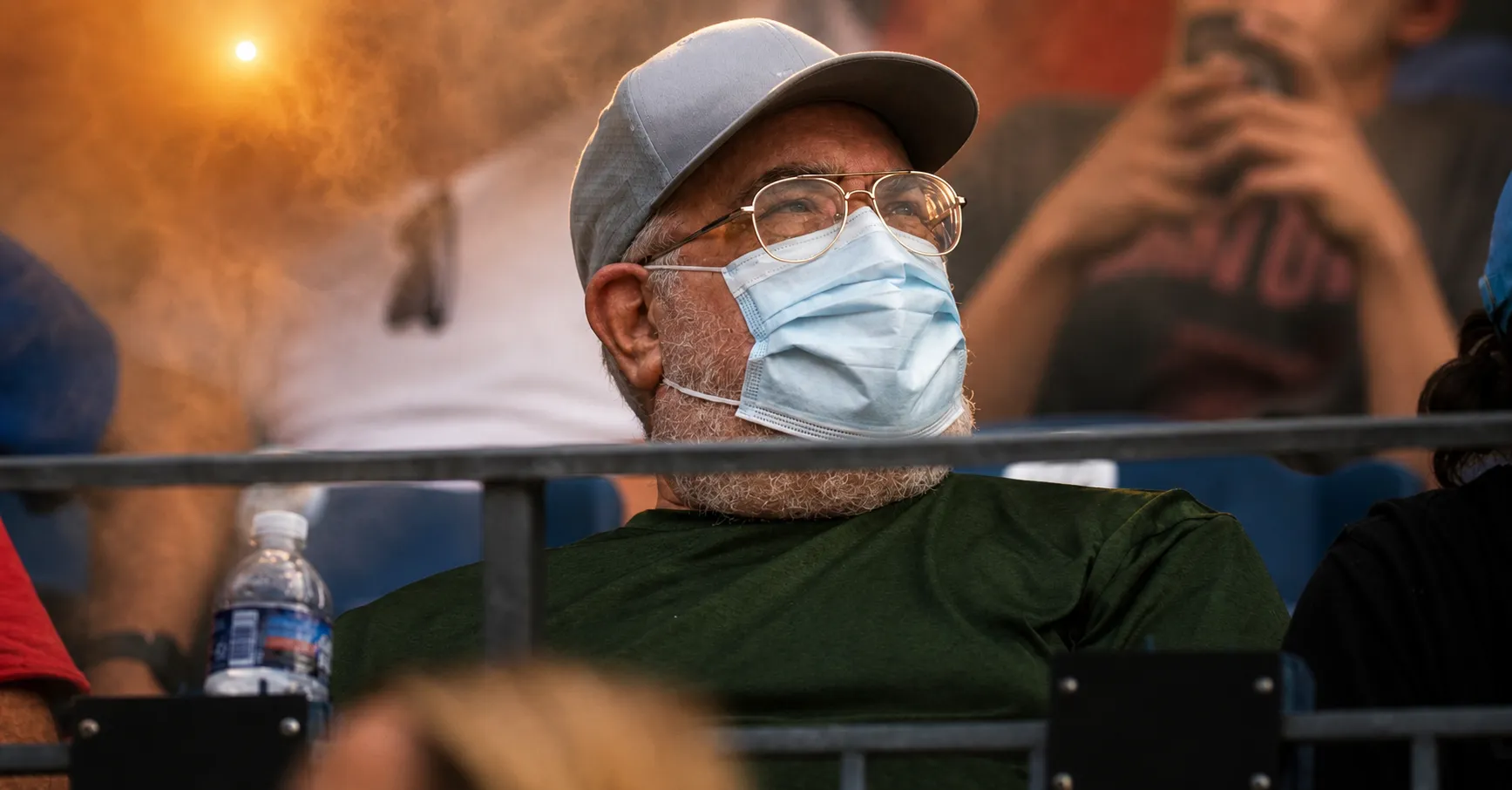
Wildfire smoke from Canada and northern Minnesota forced Major League Baseball to take dramatic action on Friday, postponing the Pittsburgh Pirates’ game against the Cleveland Guardians due to dangerous air quality conditions. The decision marked an unprecedented disruption as the sport returned from its All-Star Break.
The game, scheduled for 7:10 p.m. ET at Progressive Field in Cleveland, was called off at 4:45 p.m. EDT as the air quality index reached 203, classified as very unhealthy and hazardous to all people. Heavy, pungent wildfire smoke had darkened skies across the United States from the Great Lakes to parts of the East Coast, reducing visibility and prompting health warnings that breathing the air outside could be dangerous.
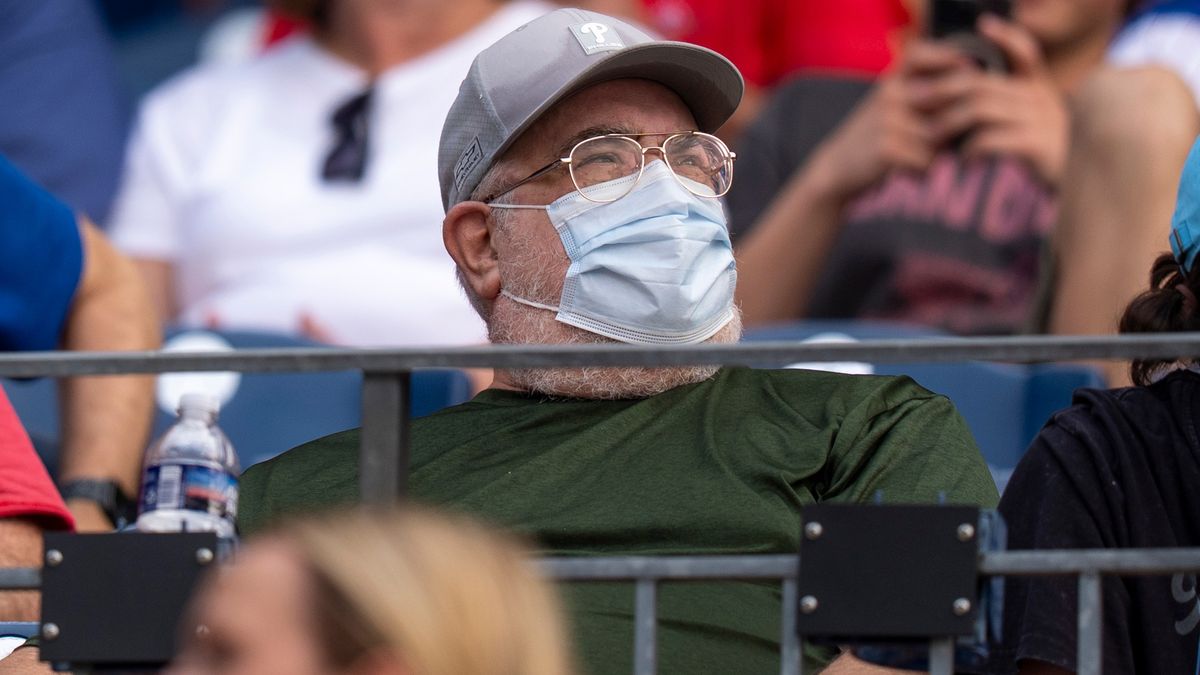
The postponement reflected MLB’s serious concerns about player and fan safety. “We want to be safe for our players. We want to make sure that it’s not too smoky and obviously for the fans as well. It’s just not safe to be out in that environment if it’s not playable,” Cleveland manager Stephen Vogt said before the postponement was announced.
The wildfire smoke had been affecting the region for two days, with Northeast Ohio experiencing smoky and hazy skies throughout the week. The National Weather Service attributed the persistent smoke to a lingering high pressure system that had trapped the smoke close to the ground, preventing it from dispersing into the upper atmosphere.
The game will be rescheduled as a split doubleheader on Saturday, with the first game starting at 1:10 p.m. ET and the original July 18 contest moving to 7:10 p.m. ET. Gates for the first game will open at noon, while gates for the night game will open at 5:30 p.m. Fans will be cleared from the ballpark between games. Fans holding tickets dated July 17 can use their same ticket to enter the 1:10 p.m. Game on July 18 without exchanging.
The Pirates-Guardians postponement was the most significant schedule disruption caused by the wildfire smoke on Friday, but it was not the only impact on baseball. The Blue Jays and Brewers, playing in stadiums with retractable roofs, closed their domes as a precautionary measure. Other teams made logistical adjustments to protect their players and fans.
The wildfire smoke had already affected sporting events earlier in the week. On Thursday night, the Mets and Phillies game in Philadelphia was moved up an hour to start at 6:10 p.m. ET instead of 7:10 p.m., as the air quality was expected to worsen later in the evening. A Major League Soccer game between the Vancouver Whitecaps and Chicago Fire at Soldier Field was also postponed due to the poor air quality.
The Canadian wildfire smoke blanketed major northern U.S. Cities, triggering hazardous air quality alerts across 15 states for over 100 million Americans. Officials in many cities urged residents to stay inside or wear masks outside as air quality reached unhealthy to hazardous levels, meaning conditions were unsafe for anyone regardless of health conditions.
Health experts emphasized the severe risks of fine particulate matter from wildfire smoke, including worsening asthma, heart conditions and potential cancer risks. The situation drew attention even at the highest levels of government, with FIFA and the White House monitoring its potential impact on Sunday’s World Cup final at MetLife Stadium in New Jersey.
This was not the first time wildfire smoke has disrupted professional sports. In June 2023, a game between the Detroit Tigers and Philadelphia Phillies was postponed due to poor air quality from Canadian wildfires. During the 2020 California wildfires, MLB opted not to cancel series in San Francisco and Oakland despite ash so thick that stadium lights had to be turned on during the day, though the air quality index at that time was below 200.