

Taylor Farms has issued a major recall of all iceberg lettuce sourced from central Mexico distributed across 27 states, as federal health officials continue investigating one of the largest cyclosporiasis outbreaks in U.S. History that has sickened thousands and threatened public confidence in the nation’s fresh produce supply.
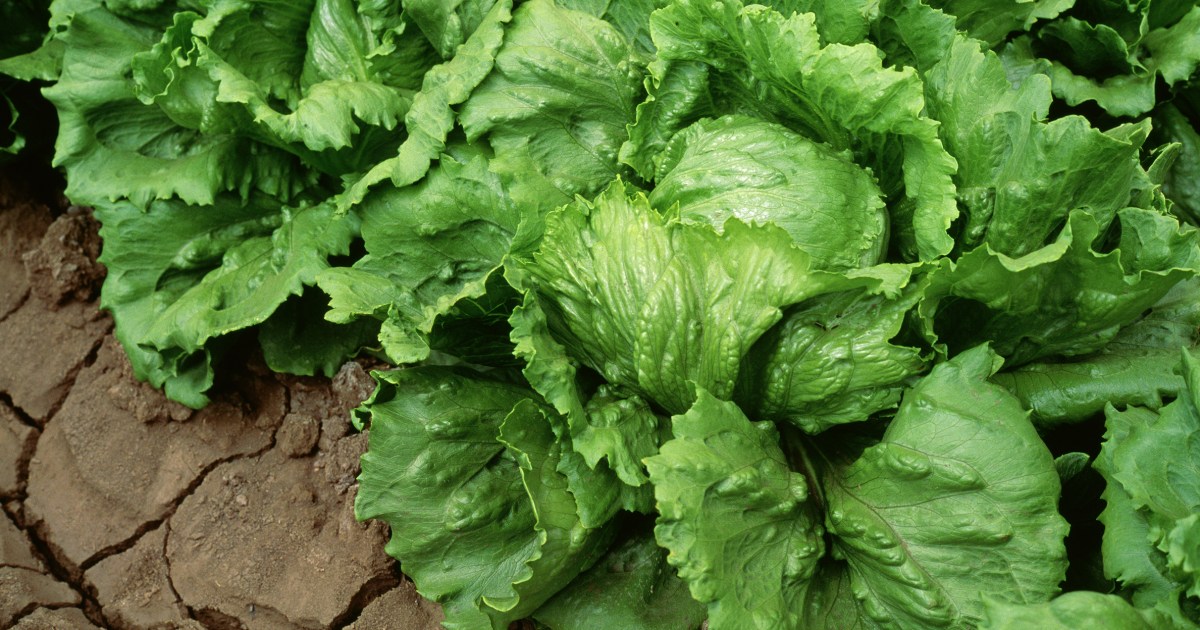
The food safety crisis erupted this week when the Food and Drug Administration traced shredded iceberg lettuce served at certain Taco Bell restaurants to a single supplier in Mexico’s Guanajuato state. On Friday, Taylor Farms de Mexico announced it would voluntarily remove all iceberg lettuce sourced from central Mexico from the U.S. Market and informed the FDA it would launch a formal recall. The recall covers lettuce distributed between June 29 and July 16, 2026, with best-by dates extending to August 3.
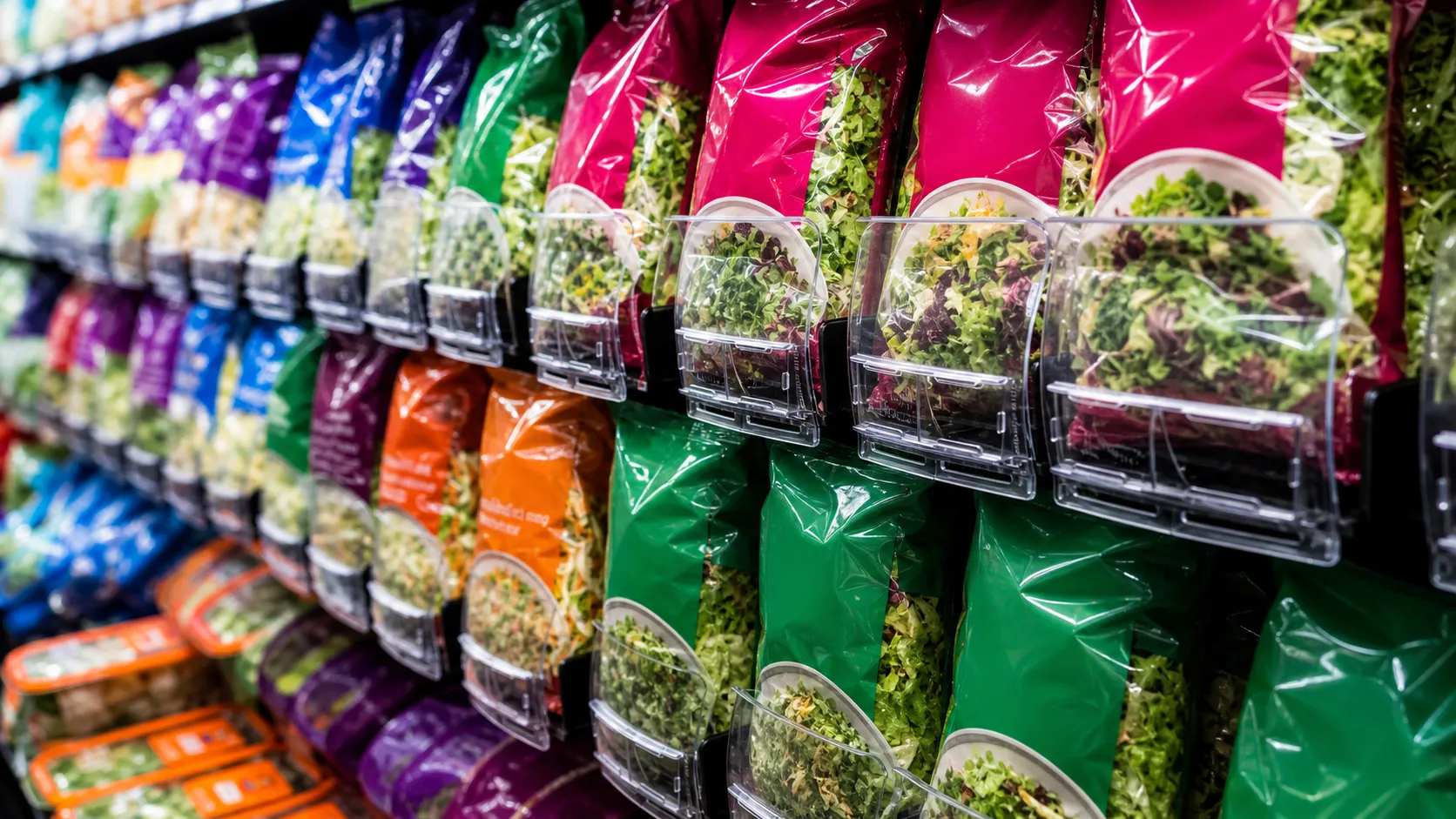
The recalled products reached Alabama, Arkansas, Connecticut, Florida, Georgia, Iowa, Illinois, Indiana, Kansas, Kentucky, Louisiana, Massachusetts, Maryland, Michigan, Missouri, Mississippi, North Carolina, New Hampshire, New Jersey, Ohio, Oklahoma, Pennsylvania, South Carolina, Tennessee, Texas, Virginia, and Wisconsin. Many of the products are bulk food-service packages sold to restaurants, hospitals, and institutional food suppliers, though some bags also reached grocery store shelves through Walmart and other retailers.
The recall represents a dramatic escalation from initial warnings, which had focused only on five states where Taco Bell locations were linked to illnesses. The wider 27-state distribution suggests the contaminated produce circulated much more extensively through the nation’s food supply than initially disclosed. The FDA advised customers to immediately discard the recalled iceberg lettuce and refrain from consuming it.
As of Friday, federal health officials had confirmed 1,644 cases of cyclosporiasis across five states—Michigan, Ohio, Indiana, Kentucky, and West Virginia—with an additional 5,100 cases under investigation nationwide. Michigan has emerged as the outbreak’s epicenter, with over 5,000 confirmed illnesses. The CDC reported 94 hospitalizations related to the five-state cluster, with no deaths reported so far, though the situation remains under active investigation.
Cyclosporiasis is an intestinal illness caused by the microscopic parasite Cyclospora cayetanensis, typically contracted by consuming contaminated raw produce or water. The illness causes watery diarrhea, often described as severe or explosive, along with abdominal cramping, fatigue, nausea, and loss of appetite. Symptoms usually appear within a week of infection and can persist for weeks without treatment. The disease is treatable with antibiotics, particularly trimethoprim-sulfamethoxazole, though diagnosis can be challenging because standard stool tests do not reliably detect the parasite.
Taco Bell had already taken action before the full recall announcement, pulling the implicated lettuce from its supply chain nationwide on Thursday and completing removal from restaurants by July 17. The restaurant chain said it committed to stop using any lettuce from the supplier identified by the FDA’s investigation. In a statement, Taco Bell emphasized that public health is a shared responsibility among restaurants, suppliers, and authorities.
Sysco, one of the world’s largest food service distributors, also moved swiftly to protect customers. On Thursday, the company suspended sales and distribution of all Taylor Farms iceberg lettuce from Mexico and subsequently stopped distributing all processed iceberg lettuce products from the supplier at Taylor Farms’ request, citing an abundance of caution.
At the retail level, Walmart announced it was removing bags of Marketside Bagged Iceberg Salad and Shredded Iceberg Salads from stores as a precaution. The retailer stated it had no indication that products sold in its stores were directly affected by the current investigations but removed the products after receiving notice from its supplier. Other retailers carrying Taylor Farms products, including Costco, Target, Trader Joe’s, and Whole Foods, have remained largely silent on specific product recalls, though experts warned that uncertainty persists about the full scope of distribution.
Taylor Farms said in a statement that the FDA traceback investigation identified a specific independent farm representing less than 1 percent of the U.S. Iceberg lettuce supply as the potential contamination source. The company emphasized that no other Taylor Farms products across the country are affected and that none of its branded salad kits contain iceberg lettuce. A company representative noted the decision to remove all central Mexico-sourced iceberg lettuce indefinitely was made out of an abundance of caution while federal investigators continue determining the precise origin and extent of the contamination.
The outbreak has prompted concern among public health advocates and legal experts about transparency and accountability in the food system. The FDA’s identification of Taylor Farms as the source was initially disclosed only through leaks to news media rather than through official agency statements, leaving consumers without direct government guidance about specific products to avoid beyond the five Taco Bell states.
This is not the first time Taylor Farms has faced food safety scrutiny. In 2013, the FDA traced a multistate cyclosporiasis outbreak affecting over 600 people to salad mix produced by the company. In 2015, Costco recalled its Rotisserie Chicken Salad after an E. Coli outbreak linked to celery and onion components from Taylor Farms sickened 19 people. Most significantly, in 2024, slivered onions supplied by Taylor Farms to McDonald’s were identified as the source of an E. Coli outbreak that infected over 100 people across 14 states, with one death reported.
The broader 2026 cyclosporiasis outbreak extends beyond the Taylor Farms cluster. Federal health officials have indicated that multiple cyclosporiasis outbreaks are occurring simultaneously across at least 34 states, suggesting additional sources may be involved. The CDC noted that the Taco Bell-linked cases represent only a subset of the overall outbreak. Investigators remain uncertain whether Taylor Farms lettuce distributed through other channels—grocery stores, other restaurants, or food service companies—has caused additional illnesses beyond the documented cases.
Public health officials have urged consumers to thoroughly wash fresh produce, though they cautioned that washing alone cannot guarantee removal of the parasite. Cooking produce to a temperature of at least 158 degrees Fahrenheit reliably kills the pathogen. Anyone experiencing persistent watery diarrhea, fatigue, or other gastrointestinal symptoms should seek medical attention and specifically request testing for Cyclospora, as the parasite is not detected by routine stool examinations. With summer months typically seeing elevated cyclosporiasis risk, federal agencies continue investigations to identify any additional contaminated products in the food supply.