

Many of the serial killers most people can quickly name are American, and according to one forensic psychologist, there are several reasons the US appears to produce so many of them.
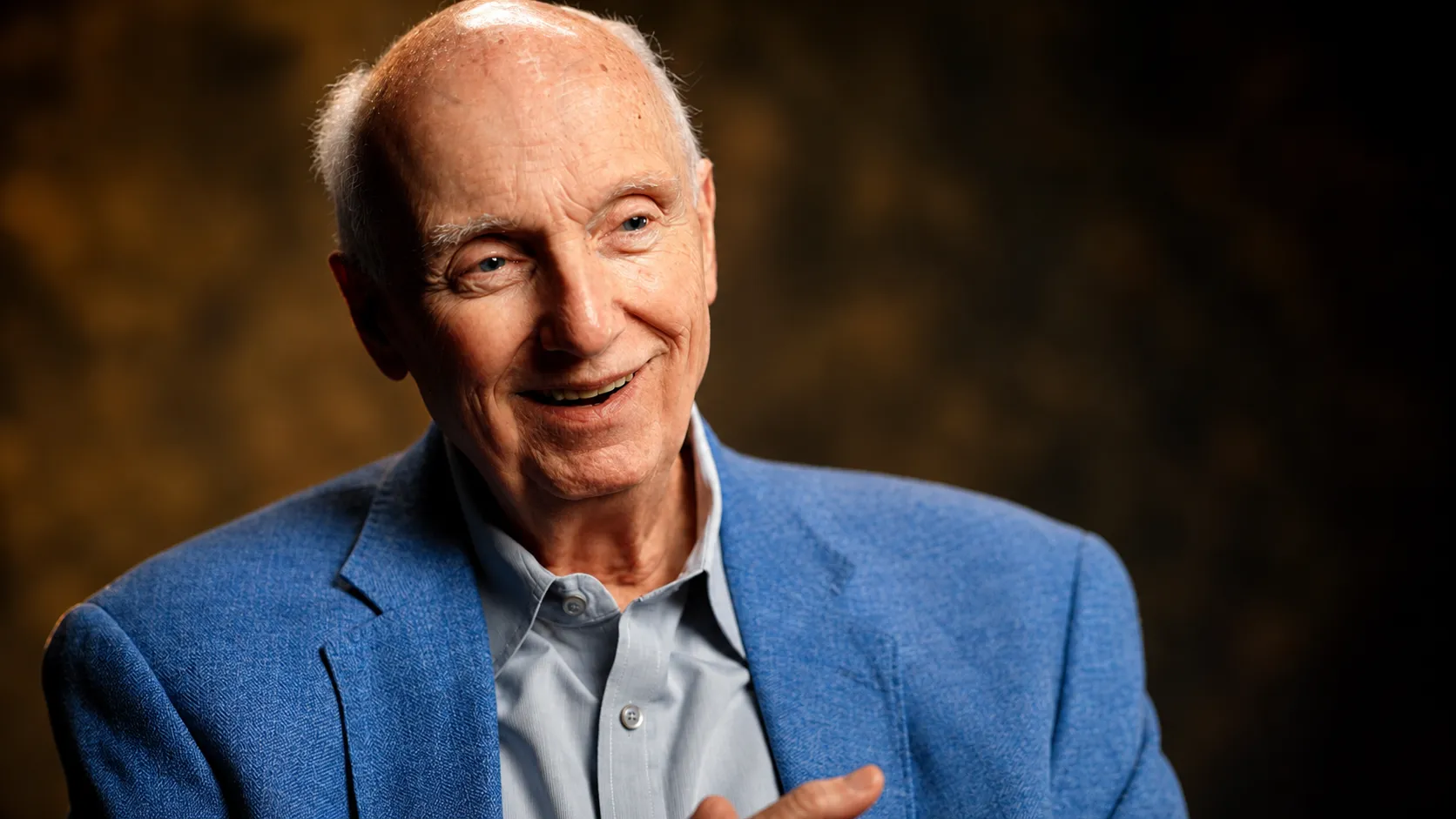
Dr Eric Hickey has spent his career researching serial and mass murder, as well as victimology and criminal profiling. His work focuses on understanding how serial killers think and why they commit such extreme acts.
Serial murder is defined by the FBI as the unlawful killing of two or more victims by the same offender in separate events, and experts note that these cases are rare enough that cross-country comparisons can be difficult. Differences in record-keeping, policing, and how killings are reported can make one country seem to have fewer serial killers than another even when the true picture is more complicated.
When people think of notorious serial killers, names like Jeffrey Dahmer, Ted Bundy, John Wayne Gacy and Dennis Rader are often among the first mentioned. While their crimes differed, they share two broad similarities: they were male, and they were from the United States.
In an appearance on the Minutes With series, Dr Hickey said cultural context plays a major part in explaining why the US is so often associated with serial killers.
“We have to consider culture when we think about why the US has apparently so many serial killers compared to other countries.
“And I’ve done some international comparisons and, you know, there are serial killers in every country I’ve looked at.
“I’ve looked at maybe 35 countries. In Western, we see them. It’s often not as reported in other countries. Homicides are not reported nearly as much. We’re much more accurate in our reporting.
“We have Hollywood. And in Hollywood, we glamorize violence. A lot of societies don’t do that. And so that’s not part of what they do. And so that helps us understand it. And of course we have domestic violence, and we have a lot of that.”
He also argued that the visibility of violent crime in entertainment and media may influence how some offenders see themselves.
“And with that in the open, we have all these movies and documentaries and stories. And so it brings people’s attention to that. And so some guy says, ‘Oh, I can do that. I can do better than that. I can kill more people’.
“That’s why we have so many mass murders, attempted mass murders in the United States.”
Dr Hickey also discussed why men are far more likely than women to commit these crimes, saying the answer often begins with early trauma.
“We’ve learned that men and women respond differently to trauma and how they handle that trauma,” he says. “And some turn to violence and women generally tend not to turn to violence when they do other things.
“That’s why we only have maybe 16 percent of serial killers are female, because women generally find other ways to deal with their trauma than men. And then we’re socialised differently.”
Later, he addressed another central question: why serial killers so often appear to have no empathy for the people they target.
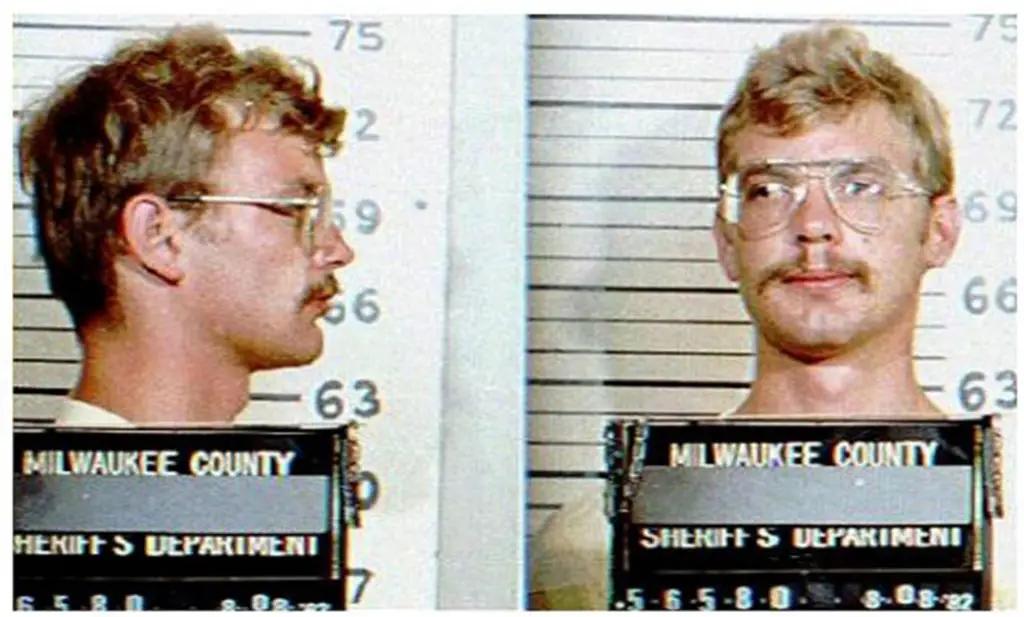
Using Jeffrey Dahmer as an example, Dr Hickey explained that remorse does not always mean sorrow for the victims themselves. Dahmer murdered 17 men and boys between 1978 and 1991, and Hickey said his regret seemed rooted elsewhere.
“Necrophiles like Dahmer have remorse. Not because they’ve killed people. They don’t connect with the victims. They have remorse for their lives being wasted.
“Dahmer said: ‘My life was pathetic’. He never talked about the victims because they cannot connect to the victims.”
“They don’t have that empathy. They lack empathy. That’s one of the hallmarks of these people. They lack the empathy. They lack the ability to have attachments to people.”
The full Minutes With episode can be watched below:
Dr Hickey then drew a distinction between psychopaths and sociopaths while discussing necrophilia and violent offenders more broadly.
“However, with necrophiles, none of them are psychopaths. They’re sociopaths. So, because they have connections. They have attachments to bodies, right? Dead people.
“But they don’t have emotional attachment to them, whereas, like, you have a domestic violence situation, someone killed their spouse, they may have loved that spouse, they may have hated them, but when you talk about people who are true psychopaths who kill them, they don’t have any connections at all.
“Sociopaths also, some are serial killers, but they have connection. They have attachment to people. So the question is, ‘Do they have any feelings about the victims?’
“They never talk about the victims. They don’t want to remember them.”
Federal investigators have studied serial murder for decades through the FBI’s Behavioral Science and Behavioral Analysis units, which were created to help law enforcement understand violent offenders and link seemingly unrelated crimes. The FBI’s serial murder research has also emphasized that these cases are uncommon, difficult to classify cleanly, and often shaped by offender-victim patterns, opportunity and mobility rather than any single cause.
Researchers also caution that media attention can distort public perception. In the US, highly publicized cases, documentaries and fiction have turned some killers into household names, while cases in other countries may receive less coverage or be documented differently. That does not mean serial murder is unique to America; it does help explain why American offenders are so much more visible in popular culture.