

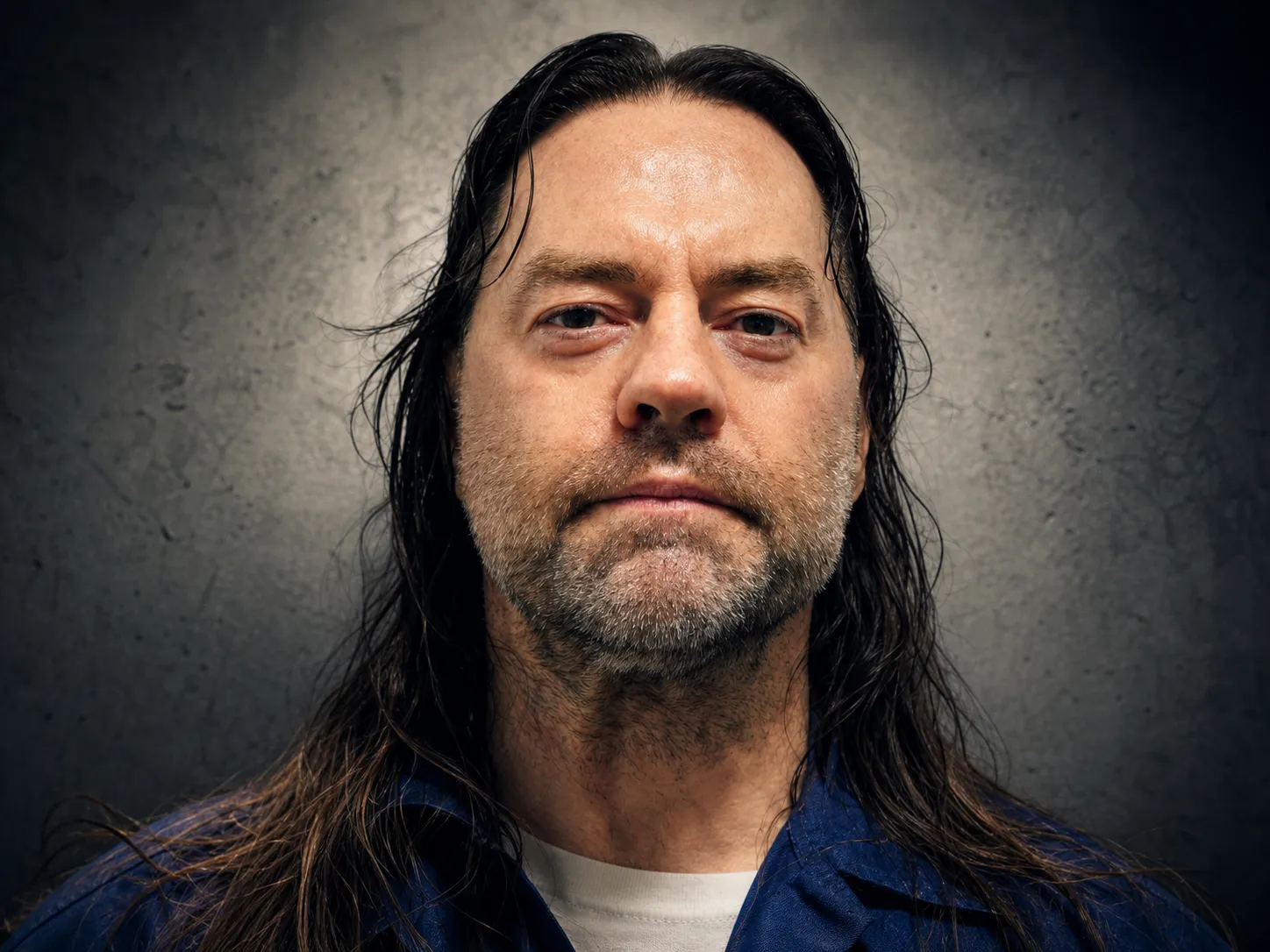
Michigan’s Court of Appeals on Monday overturned the convictions of two more men involved in the 2020 plot to kidnap Governor Gretchen Whitmer, following a precedent-setting ruling months earlier that has upended the prosecutions in the high-profile case.
Pete Musico and Paul Bellar had their terrorism-related convictions set aside based on a technical but significant interpretation of Michigan law. The appeals court determined that kidnapping does not qualify as a “violent felony” under Michigan’s anti-terrorism statute, making it an invalid basis for convicting the men of providing material support for terrorist acts.
The decision mirrors a ruling from June that reversed the conviction of their co-defendant Joseph Morrison. That earlier decision created binding precedent that legally required the appeals court to overturn Musico’s and Bellar’s convictions as well, despite the fact that neither man had raised the legal issue in their own appeals.
The legal crux centers on a 2006 amendment to Michigan’s kidnapping statute. When the legislature updated the law, it removed language referring to “forcibly or secretly” confining someone, effectively removing references to the use of force from the definition. However, Michigan’s terrorism statute requires proof of an underlying “violent felony,” defined as a crime involving “the use, attempted use, or threatened use of physical force against an individual.”
By removing the force element from the kidnapping definition, lawmakers inadvertently created a gap. Under the current statute as written, kidnapping no longer meets the legal definition of a violent felony needed to support a terrorism conviction, according to the appellate panel.
The jury that convicted the three men in 2022 was instructed to consider kidnapping as a violent felony. The appeals court found this instruction tainted the verdicts because it allowed jurors to convict on an invalid legal basis. Because the jury heard extensive testimony about the plot to kidnap the governor, the court could not determine whether the convictions rested on kidnapping or other potential violent felonies like murder.
Michigan Attorney General Dana Nessel responded sharply to the latest ruling, calling it “linguistic gymnastics” used to free dangerous criminals. She said her office intends to appeal both the Morrison decision and now the Musico and Bellar ruling to the Michigan Supreme Court, which currently has a Democratic majority.
“It is clear that all three of these defendants engaged in a coordinated plan to kidnap and harm the governor and cause mayhem and destruction across our communities in the process,” Nessel said. “There is no word to describe this other than violent. My office will not downplay domestic terrorism and will not stand by while criminal statutes meant to preserve public safety are arbitrarily gutted.”
Musico was originally sentenced to 12 to 20 years in prison, while Bellar received 7 to 20 years. Morrison had been sentenced to 10 to 20 years. Their cases have been returned to Jackson County Circuit Court for further proceedings, though they remain incarcerated pending the outcome of appeals.
The 2020 kidnapping plot unfolded during the early months of the pandemic as anti-government militia members grew angry over COVID-19 restrictions and lockdown policies. Federal authorities said the scheme was driven in part by retaliation against the governor’s public health measures. The broader conspiracy allegedly involved plans to storm the state Capitol, kidnap Whitmer from her vacation home in northern Michigan, and try her for treason.

Musico and Bellar were members of the Wolverine Watchmen militia group. The plot was discovered and thwarted by law enforcement, with federal agents and state police monitoring the group for months. Whitmer was never physically harmed.
The case involves defendants prosecuted in both federal and state courts. Adam Fox and Barry Croft Jr., who were characterized as the ringleaders, were convicted in federal court in 2022 of kidnapping conspiracy and weapons of mass destruction charges. They remain incarcerated serving sentences of 16 years and more than 19 years respectively. Their federal convictions have been upheld on appeal.
In state court, 14 individuals were eventually charged. Of those, nine were convicted or accepted plea deals, while five were acquitted. Among those acquitted were William Null, Michael Null, and Eric Molitor, who were found not guilty in 2023 of providing support for terrorism.
The reversal of Musico’s and Bellar’s convictions marks another significant setback for state prosecutors in the high-profile case. Senate Majority Leader Winnie Brinks expressed concern that the decision sends a troubling message about accountability for political violence. She noted that despite declining violent crime overall, targeted political violence has grown significantly in recent years.
The cases now proceed with major uncertainty about whether the state can successfully retry the three men on the same charges or whether prosecutors must craft entirely new charges based on different underlying violent felonies. The Michigan Supreme Court will likely have the final say on whether the Court of Appeals correctly interpreted the state’s anti-terrorism and kidnapping statutes.