

Warning: This article contains discussion of cancer which some readers may find distressing.
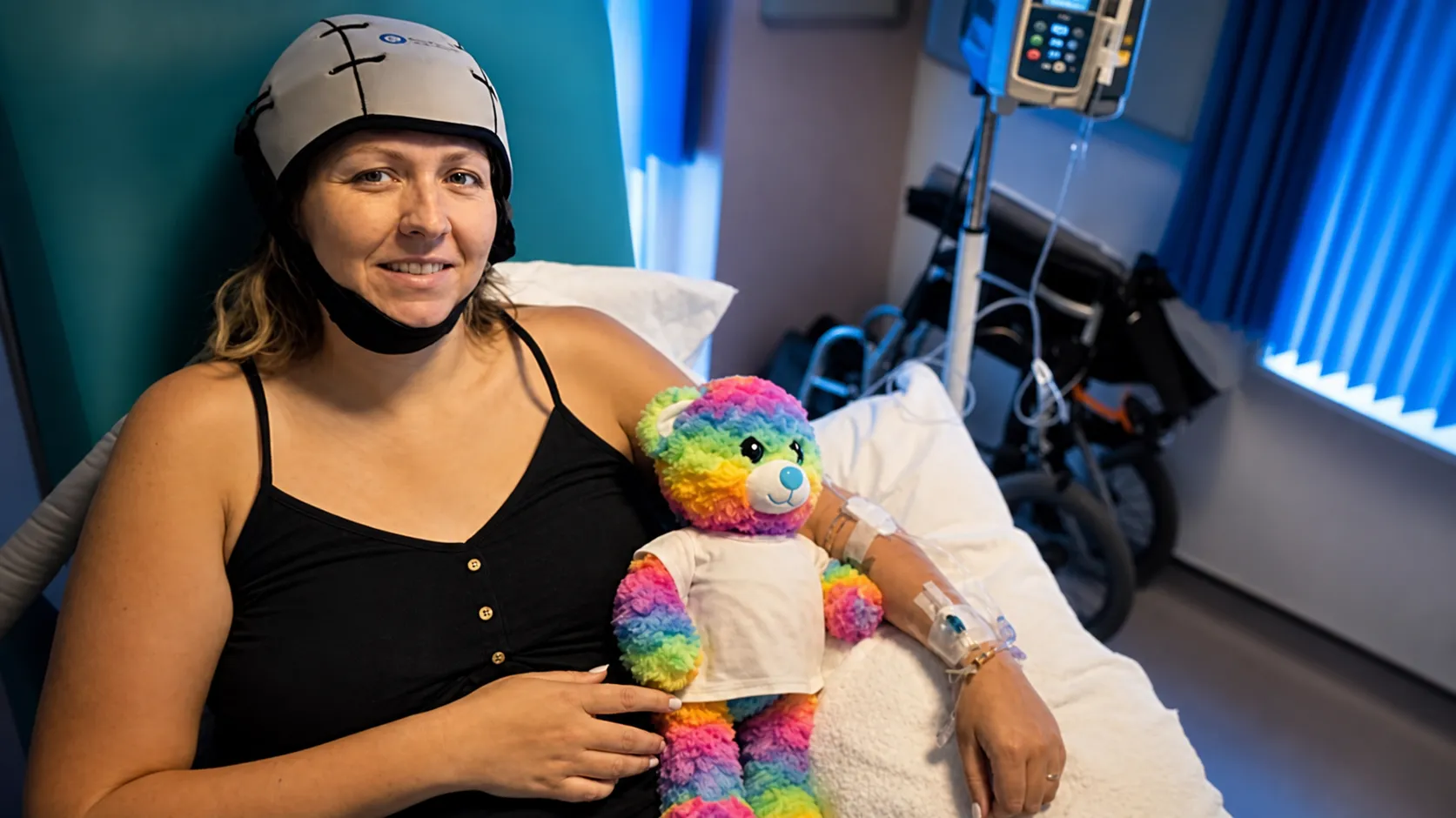
A 33-year-old woman has spoken about the shock of learning she had stage four cancer after initially being sent away by two doctors, and she has since shared a poignant request with the hospital treating her.
Becky Small, from Hampshire in the UK, began seeking medical help after enduring weeks of intense bloating and back pain. Despite visiting two different doctors, she was prescribed medication and her condition was not identified at the time.
Her symptoms eventually became unbearable. In May, after her abdomen became what she described as ‘rock solid’, Becky took herself to A&E, where doctors carried out a more detailed examination.
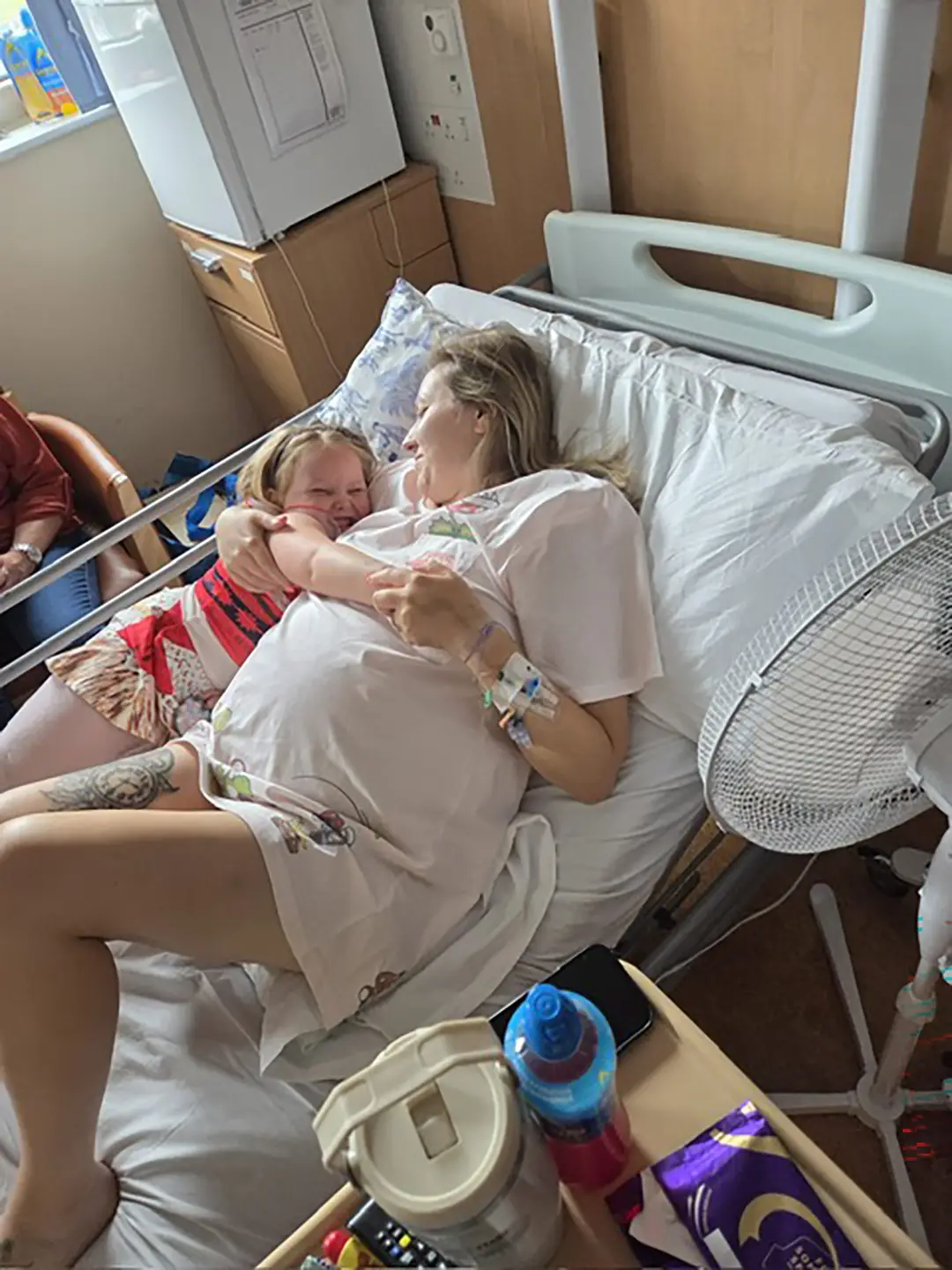
“The only way to describe it was like I was nine months’ pregnant,” she said.
That night, Becky, a mother of three, was told that medics had found two lesions on her ovaries and another on her kidney. She said the news left her feeling as though she was ‘going to die’.
Ovarian cancer is often difficult to spot early because its symptoms can be vague and similar to less serious conditions. The NHS says persistent bloating, tummy or pelvic pain, feeling full quickly, needing to pee more often or urgently, and back pain can all be warning signs, and anyone whose symptoms do not go away or become worse should return to their GP for more tests.
Stage four ovarian cancer means the disease has spread beyond the ovaries to other parts of the body. Treatment may include chemotherapy, surgery and, in some cases, targeted therapies. In June 2026, the NHS began rolling out a new targeted drug, mirvetuximab soravtansine, for some women with advanced ovarian cancer whose disease has stopped responding to standard chemotherapy.
“My daughter starts school this year and that is the bit that scares me the most – that I’m not going to see her start school.
“I just want to be a mum to my kids and to be a wife to my husband.”
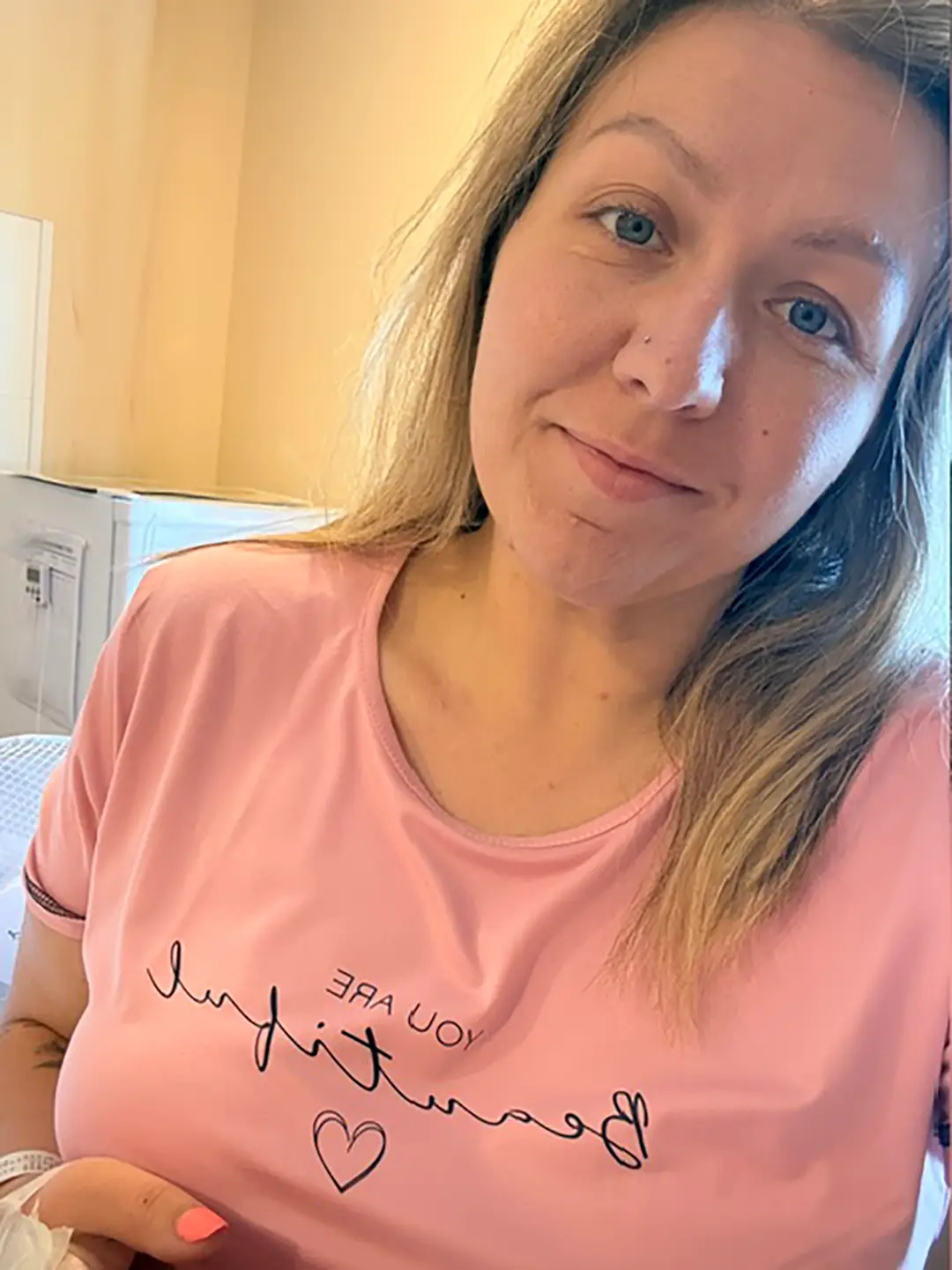
Biopsies later confirmed Becky had stage four metastatic ovarian cancer. Just four days after receiving that diagnosis, she began chemotherapy.
In the wake of the life-changing news, Becky has made one clear request to the hospital. For the time being, she does not want doctors to tell her what her prognosis is. She said she would rather focus on spending meaningful time with her loved ones than live in fear of whether she ‘may not wake up in the morning’.
Looking back on how long it took to get answers, she said earlier testing might have changed where things stand now.
“If they had just run some more tests before, then I may be further along than where I am now.
“If I hadn’t taken myself to A&E, then I probably wouldn’t be here now.
Becky also wants greater awareness around the disease, which is often difficult to detect in its early stages.
“I don’t want other women or even my own daughter to have to go through what I’m going through.”
The NHS says common signs of ovarian cancer can include persistent bloating, pain in the stomach or pelvic area, loss of appetite, and needing to pee more often or more urgently. Back pain can also be a symptom.
Becky described how dramatically her body had changed as her condition worsened.
“My stomach was going really hard all the time.
“I couldn’t fit any trousers on and it was just really uncomfortable.
“I couldn’t sleep and I couldn’t even roll over in bed because it was so painful and so big.”
If you’ve been affected by any of these issues and want to speak to someone in confidence, contact the American Cancer Society on 1-800-227-2345 or via their live chat feature, available 24/7 every day of the year.