


Before Shania Twain became one of the world’s best-selling artists, she was a young girl performing in Canadian bars, singing to miners, lumberjacks, fishermen, and hunters deep in northern Ontario. Those formative years, spent in smoke-filled venues in Timmins with her mother by her side, are now the beating heart of her seventh studio album, “Little Miss Twain,” arriving July 24.
The album’s title track serves as its emotional centerpiece, a deeply personal tribute to her mother Sharon, who died in a car crash in 1987 alongside her stepfather, never witnessing her daughter’s meteoric rise to stardom. In the poignant song, Twain sings “According to my mother / I’m the next Tanya Tucker,” a lyric that captures her mother’s unflagging belief in her dreams during those early years when success seemed impossibly distant.
Twain was only eight years old when her mother began driving her to perform in bars across Ontario. She could only enter the venues after they closed, well past midnight, since she was underage. Those late-night performances became her training ground, offering experiences that shaped her as both a person and an artist. “She would drive me around to all these stages, underage in the bars, and that’s where I got my experience,” Twain reflected on the role her mother played as her manager, agent, driver, and coach.

The inclusion of Tanya Tucker as a duet partner on the title track makes the song even more meaningful. As a child, Twain’s mother pushed her to learn Tucker’s catalog, holding up the country legend as an inspiration and aspiration. In doing so, her mother was quietly instilling in her young daughter the musical foundation that would eventually lead to a record-breaking career spanning over three decades. Twain said of having Tucker on the record, “I don’t know if I would ever really be able to explain in words what it meant and what it would have meant to my mother.”
“Little Miss Twain” marked one of the last songs added to the album, but Twain describes it as the missing piece that came to her, finally allowing her to process the loss and gratitude she carries for her mother’s sacrifices. The song was one she needed to write after years of building a career that took her from those small bars to sold-out stadiums and residencies around the world. Her mother had gone to remarkable lengths to support her ambitions, despite the family’s limited resources. Twain’s late arrival to success—she didn’t sign her first recording contract until she was in her late twenties and wouldn’t achieve a Top 10 hit until she was thirty—meant her mother’s faith in her had to sustain them both through many lean years.
Twain grew up in poverty in Timmins, and while she eventually escaped to pursue her dreams, the album represents a new appreciation for where she came from. For years, she yearned to leave northern Ontario behind, to discover the wider world beyond the mining town. But now, at sixty years old, she finds herself looking back with affection rather than desperation. “I miss my mother,” she reflects in recent interviews. “You wish you could have all of that again. And I do in this album: I have it all again, just the good parts.”
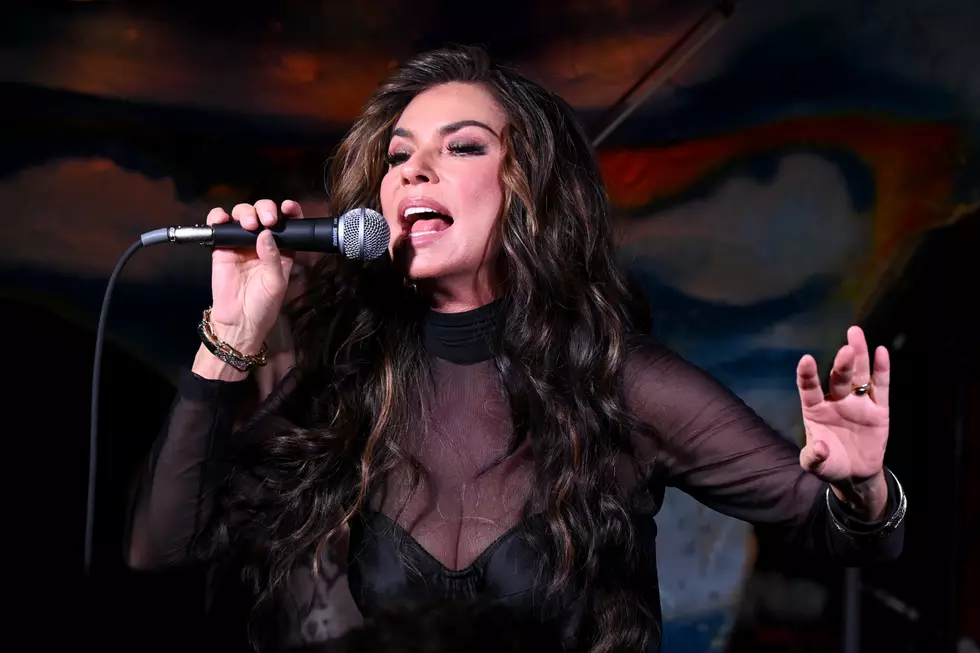
The album’s broader sonic landscape reflects Twain’s eclectic musical influences and pulls from her teenage years, incorporating country, rock, R&B, Motown, and bluegrass. “Little Miss Twain” is described as a return to her roots after 2023’s “Queen of Me.” Beyond the title track, the album features guest appearances by Josh Homme and the War and Treaty, creating a musical document that honors both her humble beginnings and the many influences that shaped her artistic voice.
Twain hopes listeners will emerge from “Little Miss Twain” with a visceral sense of the atmosphere she grew up in, the environment that made her who she is. She wants them to understand the missing chapter of her life—the years she spent as a cover singer in local bars, the woman who didn’t experience childhood success but who gained something perhaps more valuable: an unshakeable work ethic and the knowledge that dreams, however long deferred, are worth pursuing.