

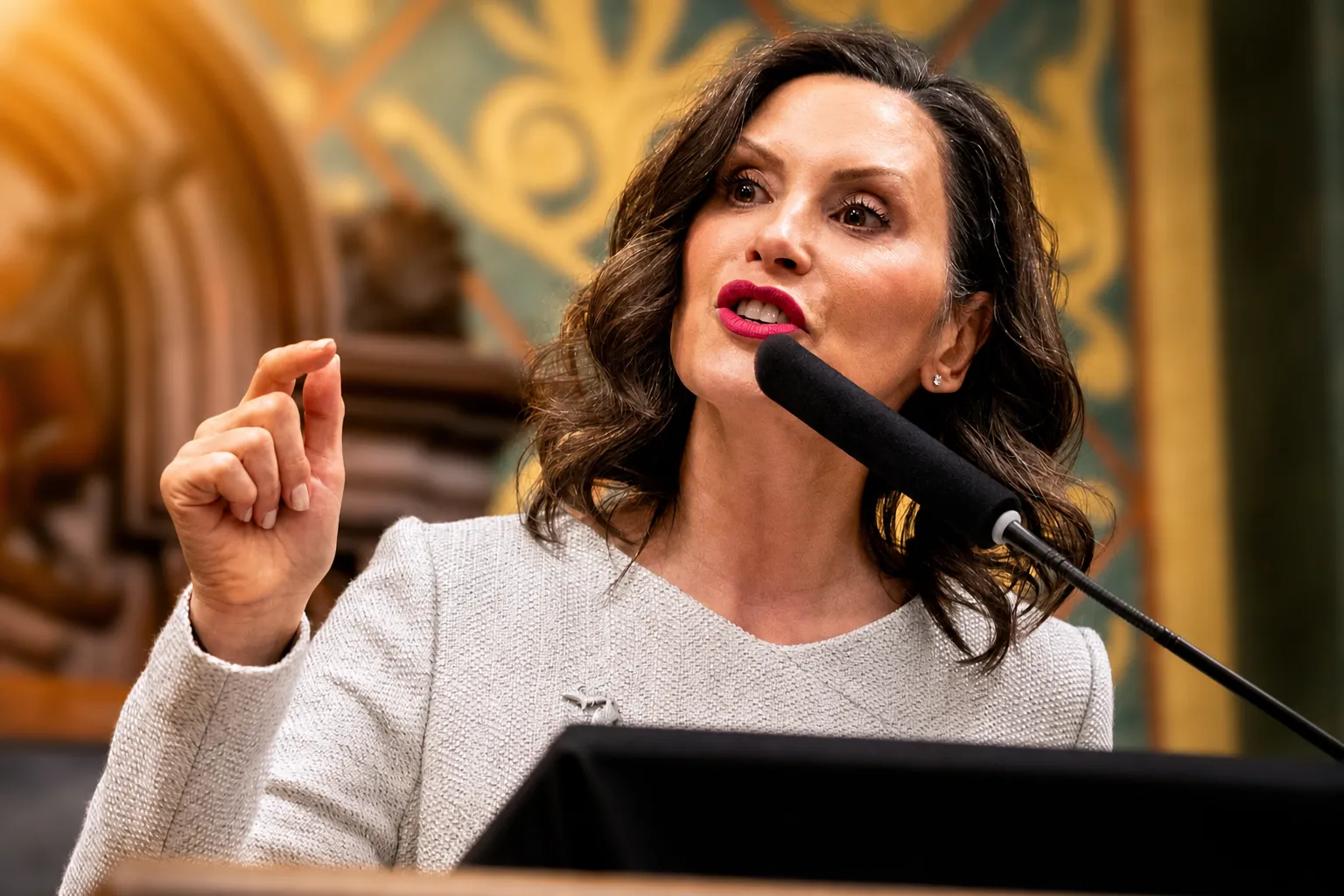
Michigan Governor Gretchen Whitmer signed legislation Tuesday requiring elementary school teachers to complete science of reading training by the 2031-2032 school year, marking a major step in the state’s effort to address its significant literacy crisis.
The new law requires K-5 instructors who teach reading or language arts to receive training and mandates that the state Department of Education select at least two vendors each year to provide the training. The measure builds on previous efforts launched in 2024 when Whitmer signed science of reading and dyslexia screening legislation with bipartisan support.
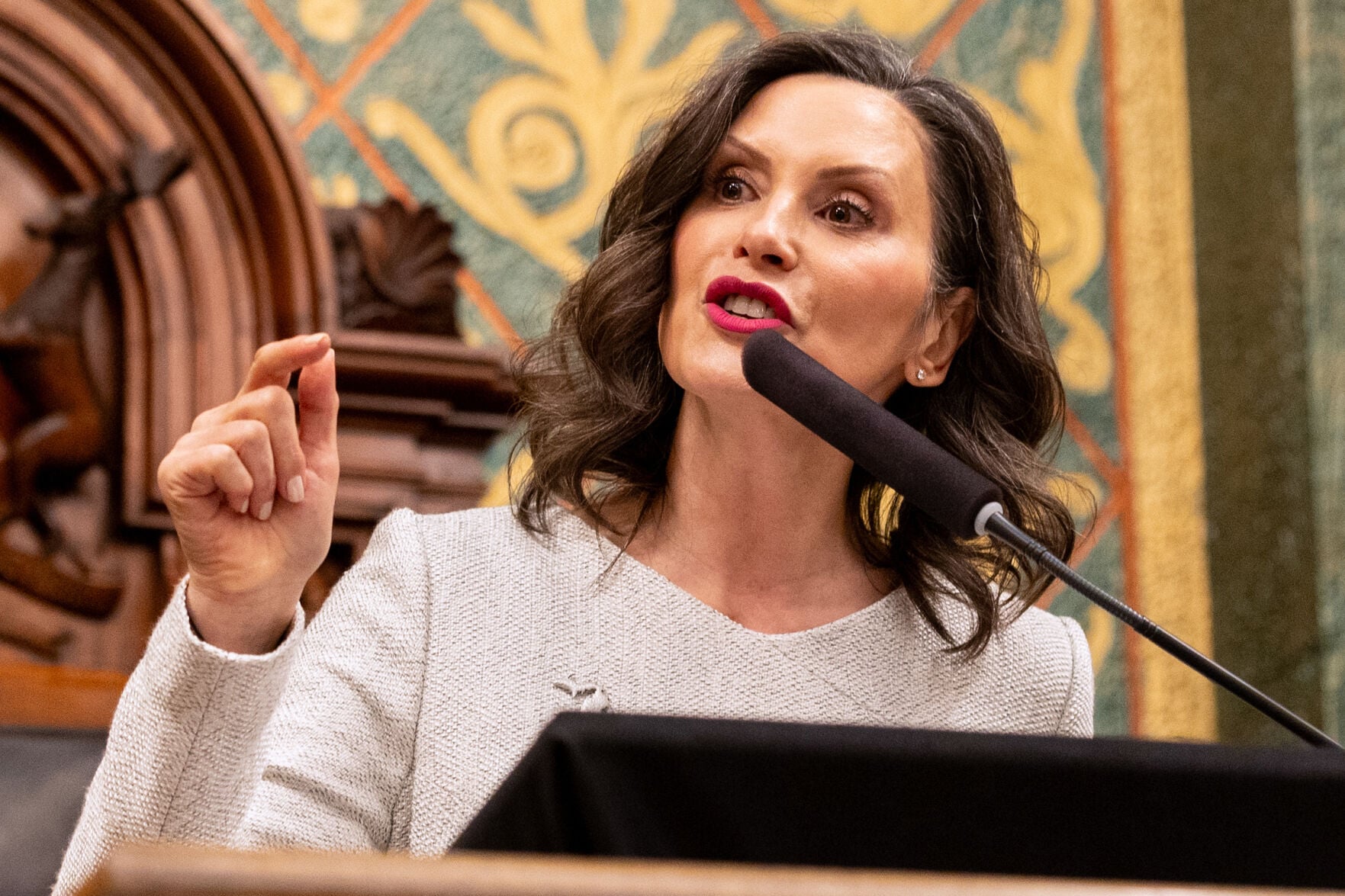
“We all want results for our kids,” Whitmer said at an event in Southfield promoting the new education budget. “And none of us is patient about it, nor should we be. We want those results fast. But here’s what we know: literacy is a marathon, it’s not a miracle.”
Whitmer also signed companion legislation that requires the state superintendent to only approve teacher preparation programs and grant teacher certificates when certain literacy requirements have been met. The bills, sponsored by state Representatives Nancy DeBoer of Holland and Tim Kelly of Frankfort, passed with bipartisan support.
The urgency of the legislation reflects Michigan’s troubled reading performance. Just 38.9 percent of Michigan third graders were proficient on the English language arts portion of the Michigan Student Test of Educational Progress last year, marking the lowest performance in the exam’s 11-year history. On national assessments, the state ranks 44th for fourth-grade reading, compared to 30 percent proficiency nationally.
To support implementation of the training requirement, the state is investing an additional $75 million toward LETRS, or Language Essentials for Teachers of Reading and Spelling. LETRS is a comprehensive professional development program that trains educators in the science of reading, including strategies like phonics alongside vocabulary development, phonemic awareness, fluency and comprehension. The state has already provided $44 million toward LETRS training for teachers who want to take it voluntarily.
The science of reading refers to decades of research about how the brain learns to read. It emphasizes evidence-based practices that address foundational skills including phonological awareness, phonemic awareness, phonics, vocabulary, fluency and reading comprehension. Whitmer and other state leaders have championed LETRS specifically, though the law does not mandate a particular vendor.
The training requirement comes as Whitmer has made literacy her stated number one priority in her final year as governor. She proposed a $625 million investment in programs aimed at addressing the state’s K-12 literacy crisis in her budget proposal for the 2027 fiscal year.
The broader education budget signed Tuesday allocates over $500 million for student literacy initiatives through what the governor’s office calls the Every Child Reads plan. Beyond the LETRS training funding, the budget includes $10.5 million to expand access to literacy coaches, bringing the total funding for literacy coaches to $52.5 million. This supports 420 coaches across the state, an increase of 327 coaches since Whitmer took office in 2019. Additional funding supports high-impact tutoring, curriculum adoption aligned with science of reading principles and screening and intervention services.
The training requirement includes protections: teachers must receive the training only if the Legislature provides “sufficient” funding, preventing implementation without state resources. The law allows for a transition period, setting the 2031-2032 deadline to give districts time to arrange training for their teaching staff.
Supporters of the legislation see it as a critical intervention for Michigan students. State Representative Nancy DeBoer, who sponsored the bill, stated in a statement: “Today, we celebrate for the students of Michigan! Learning to Read will unlock their futures. We have come together to support our families, our dedicated educators, and our innovative business community. Michigan is worth it!”
Other states have already moved in this direction. Several states have encouraged or mandated LETRS training, and the majority have made changes to reading policies in recent years. Mississippi’s public schools have seen particular success with science of reading implementation, ranking among the top 20 in the nation for literacy as of 2025.
The new legislation builds on work already underway. Bipartisan legislation passed in 2024 requires Michigan schools to use evidence-based methods to teach reading and mandates dyslexia screening for students beginning with the 2027-2028 school year. Districts must also affirm that teachers have received information about evidence-based literacy practices and related topics.
Whitmer emphasized that while the state is taking aggressive action, results will require patience and sustained effort. The 2031-2032 deadline gives elementary teachers roughly five years to complete their science of reading training, with the state providing substantial financial resources to support that transition. The legislation represents one of the most comprehensive teacher training requirements Michigan has implemented in response to its literacy challenges.