

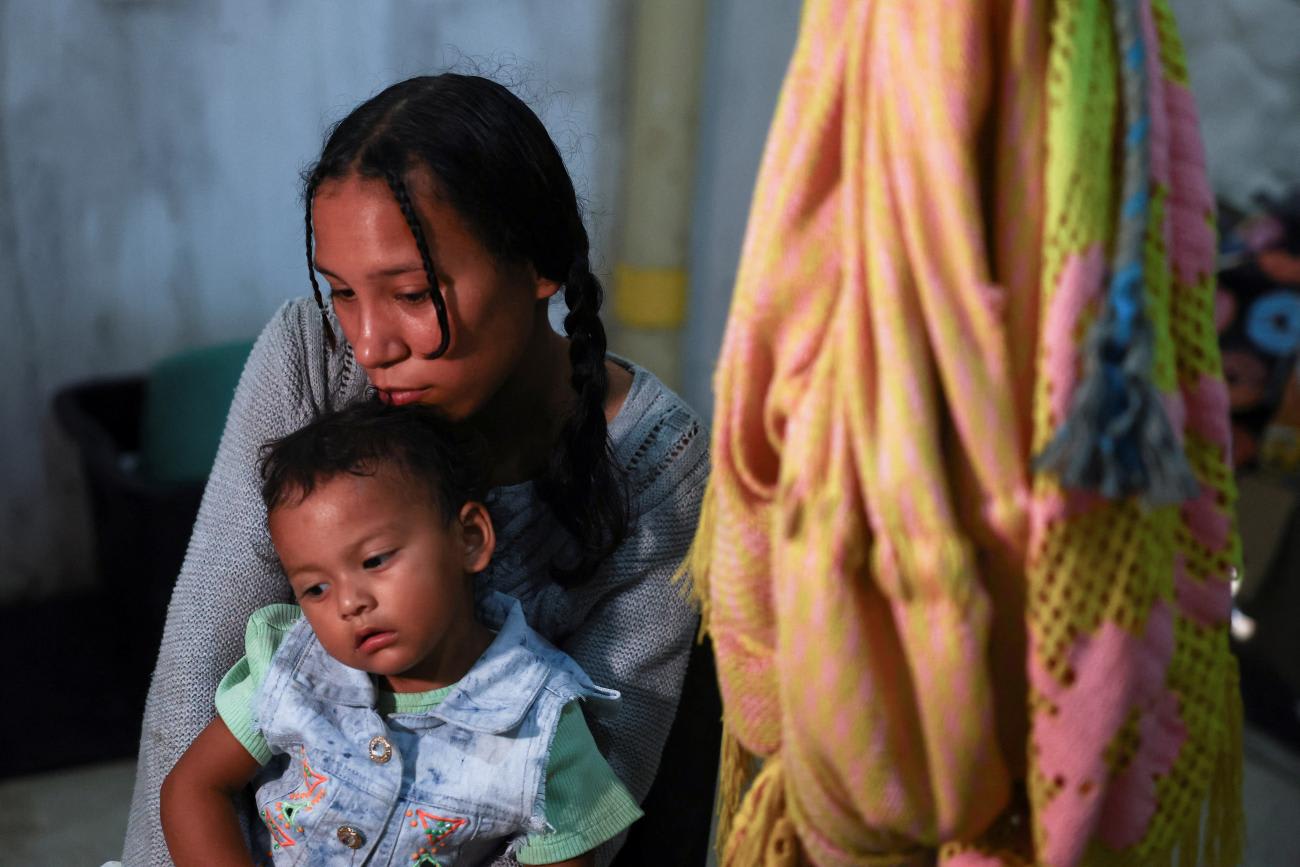
Desperate for survival, a group of former humanitarian workers in Nepal has found themselves in an impossible situation: forced into sex work after losing their jobs when massive U.S. Foreign aid cuts eliminated their positions. The tragedy reveals the cascading consequences of policy decisions made thousands of miles away, devastating some of the world’s most vulnerable populations while threatening the health infrastructure built over decades to combat HIV and disease.
The crisis centers on the Blue Diamond Society and related organizations in Nepal that relied almost entirely on USAID funding to provide critical HIV prevention and treatment services. When the Trump administration terminated over 90 percent of USAID’s foreign assistance programs in February 2025, the effects were immediate and catastrophic. The Blue Diamond Society, which received 85 percent of its funding from USAID, was forced to shut down 20 clinics across 21 districts in Nepal, leaving more than 1,200 clients without access to PrEP medication and 262 of the organization’s 350 staff members unemployed.
Among those left jobless were around 100 LGBTQ+ aid workers, including people like Rubi Lama, a transgender woman who had spent nine years conducting HIV outreach work at an organization called Friends Hetauda. Lama had found stability and purpose in her work, earning about $200 monthly—enough to rent a small apartment—after years of hardship. She had attended university, where she faced harassment, but finally found acceptance and meaningful employment in the aid sector in 2016. In February 2025, that changed in an instant when funding cuts forced the organization to cease operations.
With virtually no legal employment options available for openly transgender people in Nepal outside of NGOs, and with the country already facing high unemployment, laid-off aid workers faced an agonizing choice: starvation or survival through sex work. Lama joined around 100 other LGBTQ+ aid workers in turning to street-level sex work, a dark reversal that forced her to work alongside the very populations she once served.
The situation is particularly brutal for former HIV outreach workers who understood the dangers they now face. Princy Tamang, another former HIV outreach worker, now walks the darkened highway in Hetauda at night trying to solicit clients from passing vehicles. She has endured beatings from clients and been forced to have unprotected sex, situations that expose her daily to the virus she once worked to prevent. Bharati Thapa, a former HIV outreach worker, suffered gang rape on her first night as a sex worker and expressed fear that her new line of work would kill her. Barsha Magar, who spent 16 years as an HIV outreach worker, was raped at gunpoint after losing her job.
The collapse of these services has created a public health catastrophe. Too fearful of discrimination to visit hospitals, many transgender people have stopped taking antiretroviral drugs, significantly increasing their risk of HIV transmission. Without access to free condoms and lubricant, some resort to unprotected sex. PrEP distribution, which previously reached hundreds of people, has been halted to all but pregnant and lactating women.
The scale of job losses extends far beyond the LGBTQ+ organizations. In Nepal alone, an estimated 35,000 aid workers lost their jobs amid the USAID cuts. Globally, more than 280,000 aid workers lost employment, with just 23,000 of those being American. The rest were local employees in impoverished regions—many in conflict zones or economically depressed areas with few other job opportunities. The Trump administration announced in February 2025 that it was cutting $60 billion in foreign assistance by terminating over 90 percent of USAID contracts.
The health consequences extend beyond Nepal’s borders. Dr. Sarbesh Sharma, director of Nepal’s National Centre for AIDS and STD Control, warned that the consequences are global concerns. “Borders are for humans,” he noted, pointing out that Nepal’s migrant workers, overseas students, and open border with India mean that disease does not respect international lines.
Manisha Dhakal, executive director of the Blue Diamond Society, described the situation with stark clarity. Sitting in her organization’s now-silent headquarters, surrounded by framed USAID certificates commending the organization for saving lives, she said: “The Trump administration’s executive order will cause people to die.” One decision from one powerful country had cut off all the services that her organization had painstakingly built over years.
The broader impact on Nepal’s economy has been severe. In Kathmandu, 600 USAID-associated properties now sit empty. Hotel reservations declined as the number of aid workers diminished, and airlines began cutting flights to remote districts. Restaurants that had catered to the diplomatic and aid community found their customer base evaporating. Landlords and businesses that had depended on rent from these organizations faced sudden uncertainty.
The U.S. State Department, in a statement, said the Trump administration had reinvigorated its assistance programs to focus on efficiency, effectiveness and partnership. The department noted that the U.S. Spends more on health and humanitarian assistance than any other country and argued that “the rest of the world needs to contribute more and share the burden.”
For workers like Ruba Lama, Princy Tamang, and hundreds of others now working the highways of Nepal, such rationales offer no consolation. What they experienced was not inefficiency but loss—the loss of purpose, stability, dignity, and safety. The irony is painful: the very people who once helped prevent HIV transmission now find themselves at extreme risk of contracting it, a consequence of policy decisions they had no voice in making.