

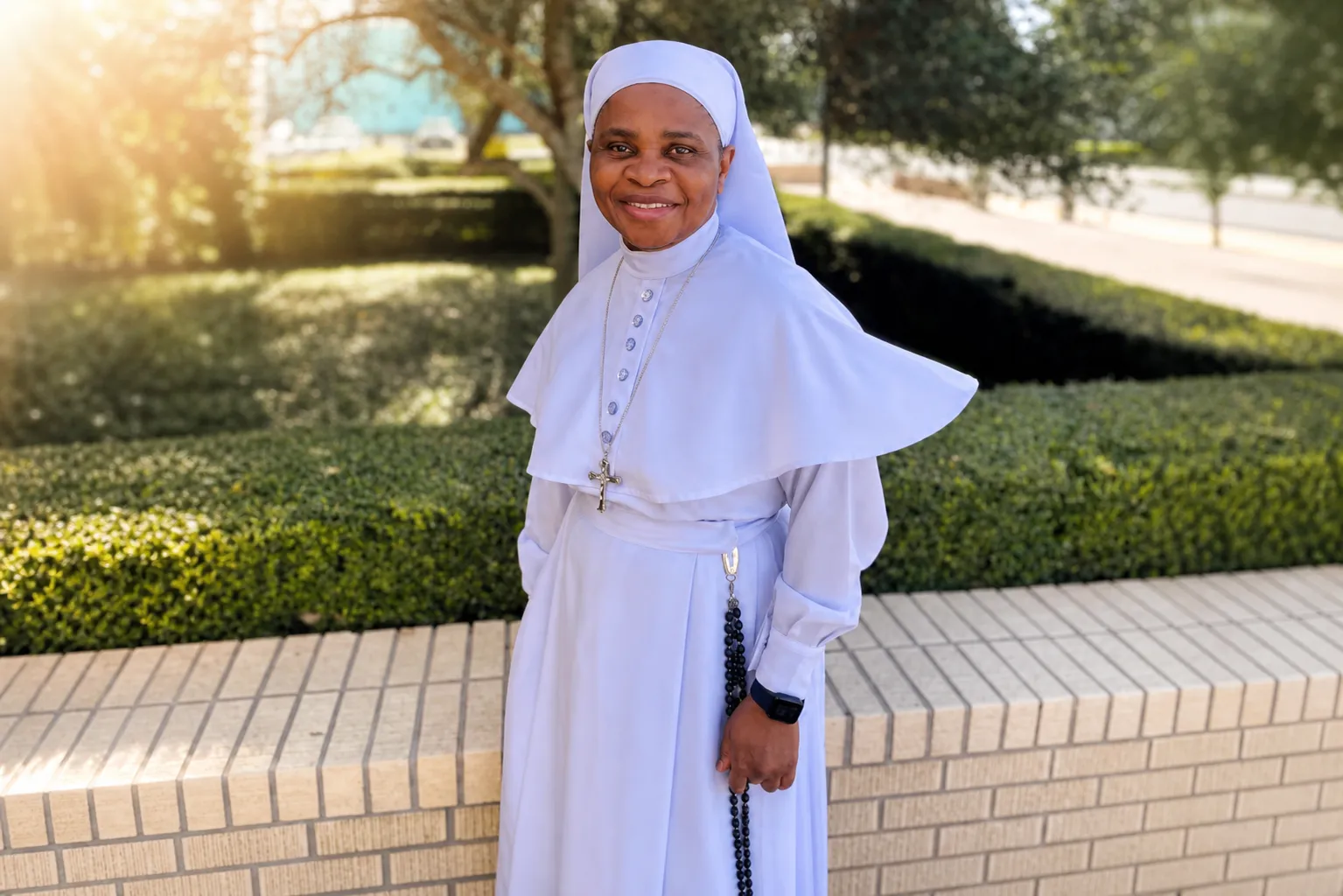
A Catholic nun in South Texas says she is far from alone in her experience with immigration enforcement after she was detained by federal agents while walking to Sunday Mass in June, highlighting broader concerns about how immigration authorities are conducting operations in border communities.
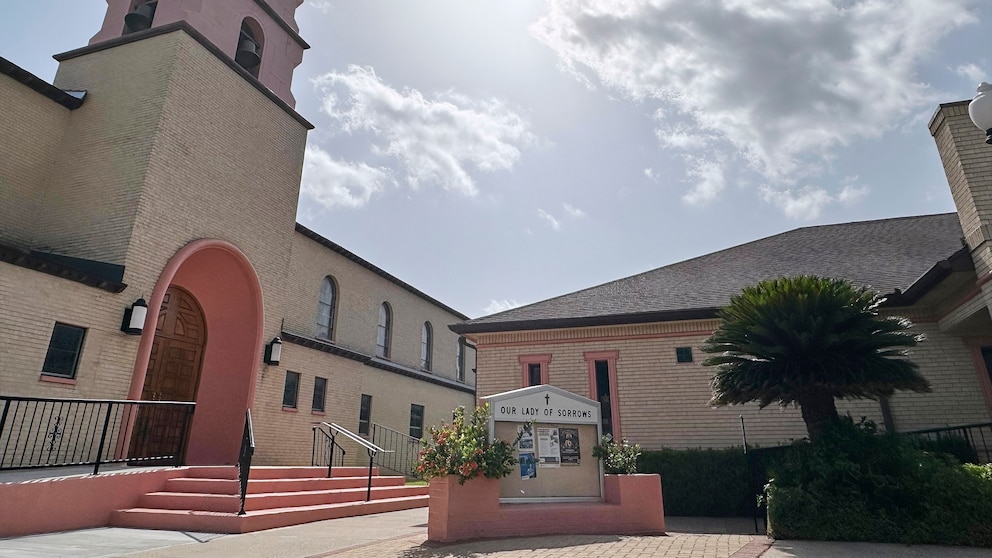
Sister Leticia Ugboaja, a 56-year-old from Nigeria who serves as a registered nurse and a member of the Daughters of Mary Mother of Mercy congregation, was stopped by U.S. Immigration and Customs Enforcement officers on June 28 as she walked to Our Lady of Sorrows Church in McAllen, Texas, just miles from the U.S.-Mexico border. The officers confiscated her rosary and placed her in handcuffs before taking her to a nearby detention facility. She was released hours later after members of Congress intervened.
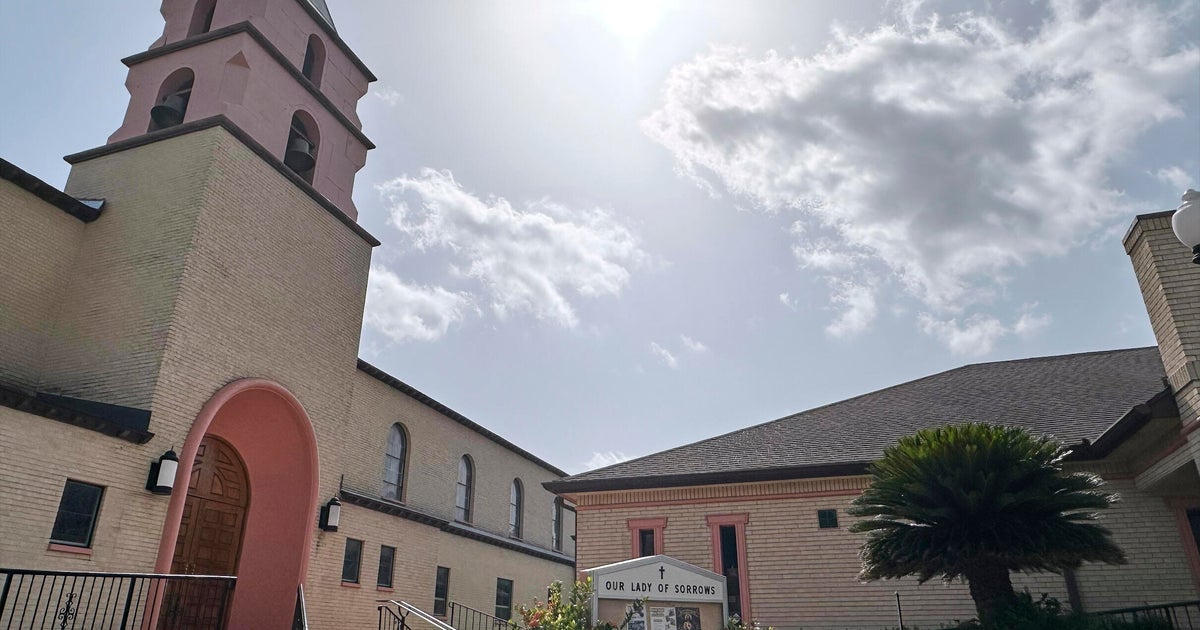
The incident sparked widespread outrage across the region and among faith leaders nationally. Bishop Daniel E. Flores of the Diocese of Brownsville called the enforcement protocols that led to her detention “wildly disturbing and in need of reform,” noting there are “many questions remaining” about why the nun was detained while peacefully walking to church in her religious habit on a Sunday morning.
The arrest prompted bipartisan response from South Texas lawmakers. Republican U.S. Rep. Monica de la Cruz said her office worked with the Department of Homeland Security to secure Ugboaja’s release, stating that immigration enforcement should target violent criminals, not religious figures. Democratic Representatives Henry Cuellar and Vicente Gonzalez also called for her release and criticized what they described as overly aggressive enforcement policies affecting their communities.
Cuellar told officials his office knew the reason for Ugboaja’s initial detention but said “this is not the way they should have picked her up.” He emphasized that if ICE had questions, there were more appropriate ways to address the situation. “If there’s fear, it should be focused on criminals,” Cuellar said. “Those are the ones who should fear ICE.”
Beyond Ugboaja’s immediate experience, her detention has illuminated a broader crisis affecting immigrant communities in the border region. Sister Rose Patrice Kuhn, a woman religious working in McAllen, told news outlets that many foreign-born religious workers serving in the area are now living in fear. She noted that there are many nuns and sisters from various countries who have lived and worked in the Rio Grande Valley for years, yet the detention of Ugboaja has made them “cautious” about their safety.
Sister Rose said she has heard from other sisters who were deeply affected by news of the detention. Many possess valid immigration documents and work visas, yet they now fear that immigration officials may scrutinize them as well. “Even though they have documents, they’re thinking, ‘Are they going to look up my name?'” Sister Rose explained.
The broader immigration enforcement landscape has intensified dramatically in recent months. Sister Rose pointed to the Trump administration’s mass deportation policies and said she witnesses their impact nearly daily when attending immigration court hearings. She described a recent hearing where there were so many immigration appointment appointments that court officials would not allow additional people into the courtroom due to lack of space.
Ugboaja, who has lived in McAllen and served her community, works full-time as a registered nurse at South Texas Health System and previously spent ten years as a certified nursing assistant. She volunteers as an extraordinary minister of holy Communion at Our Lady of Sorrows Church. Despite her deep integration into the community and her legal status, her detention was still possible under current enforcement protocols.
The League of United Latin American Citizens, the nation’s oldest and largest Hispanic civil rights organization, has called for an investigation into the circumstances surrounding her detention. Democratic candidate Bobby Pulido criticized the detention more broadly, noting that many others—including gardeners, grandmothers, and award-winning high school mariachi performers—have been caught up in similar enforcement actions.
Parish officials at Our Lady of Sorrows posted about Ugboaja’s detention on social media immediately after it occurred, and the message gained significant traction. The swift congressional intervention led to her release the same evening, though questions about why she was detained in the first place remain unanswered. The Department of Homeland Security has declined to respond to repeated requests for comment about the circumstances of her arrest.
Ugboaja herself was not available for interviews, acting on advice from her legal counsel. However, the incident has refocused attention on the human impact of heightened immigration enforcement along the border. For many in the region—both documented immigrants and citizens—the detention of a nun in a habit walking to church in broad daylight has crystallized fears about how immigration enforcement priorities have shifted and who might be affected next.