

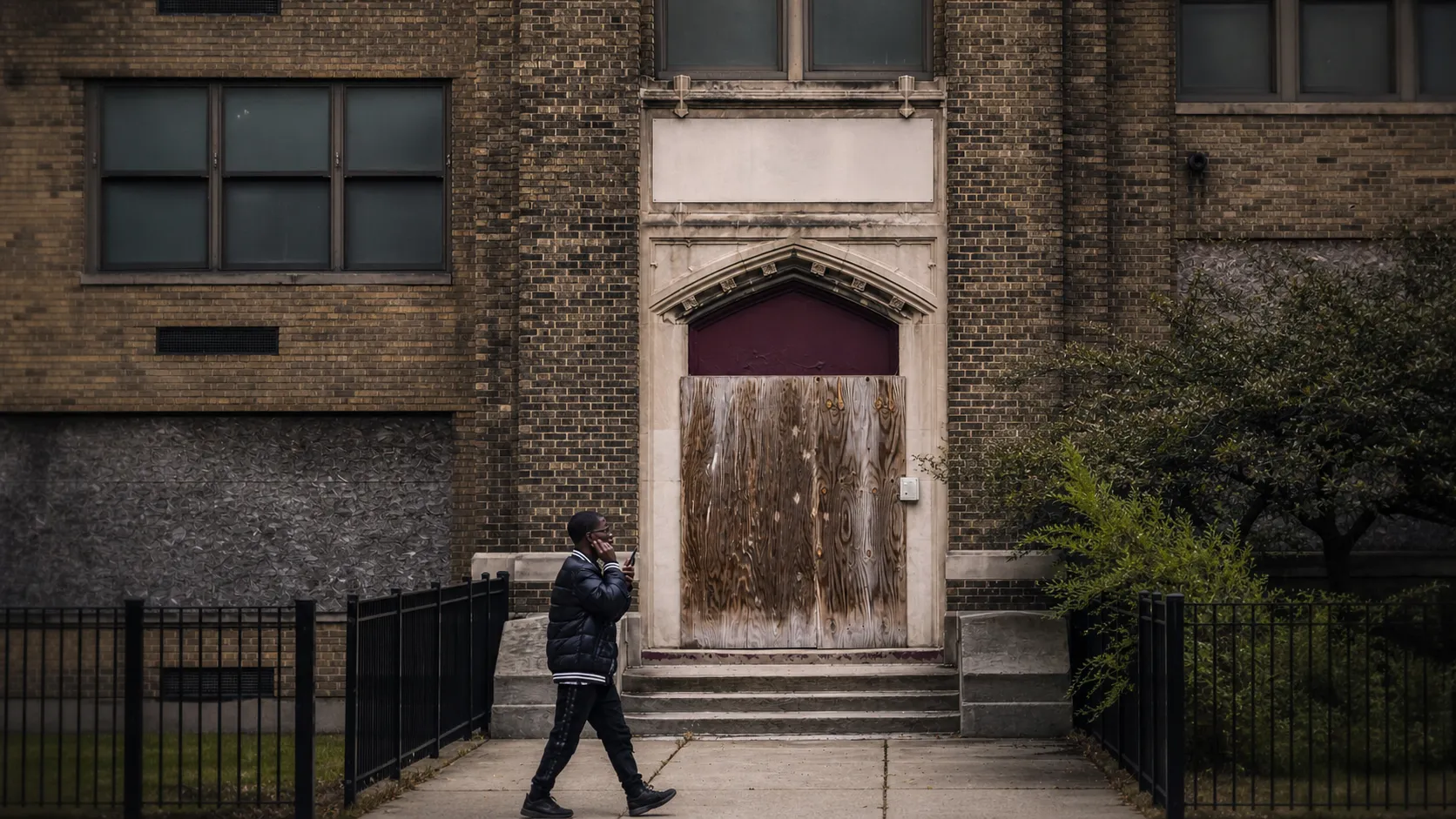
A new study has found a troubling consequence of Chicago’s 2013 decision to close 50 schools: neighborhoods surrounding the vacant buildings experienced a 10 percent increase in gun violence compared to similar neighborhoods where schools remained open.
Researchers from the University of Chicago and Johns Hopkins Bloomberg School of Public Health analyzed Chicago Police Department data from 2010 to 2019 to examine the effects of school closures on firearm violence. The 2013 closures, the largest mass public school closure in U.S. History at the time, primarily affected low-income students of color, particularly Black students living on the South and West sides of the city.
The research was rigorous in its methodology. Analysts examined the density of shootings within half a mile of school buildings and controlled for factors like poverty rates and racial demographics to ensure they were comparing neighborhoods accurately. Before the 2013 closures, trends in gun violence were comparable across neighborhoods with open and closed schools. After closure, however, the divergence became clear. Areas surrounding long-vacant schools saw about a 10 percent increase in shootings, while neighborhoods with similar characteristics where schools remained open experienced no comparable rise.
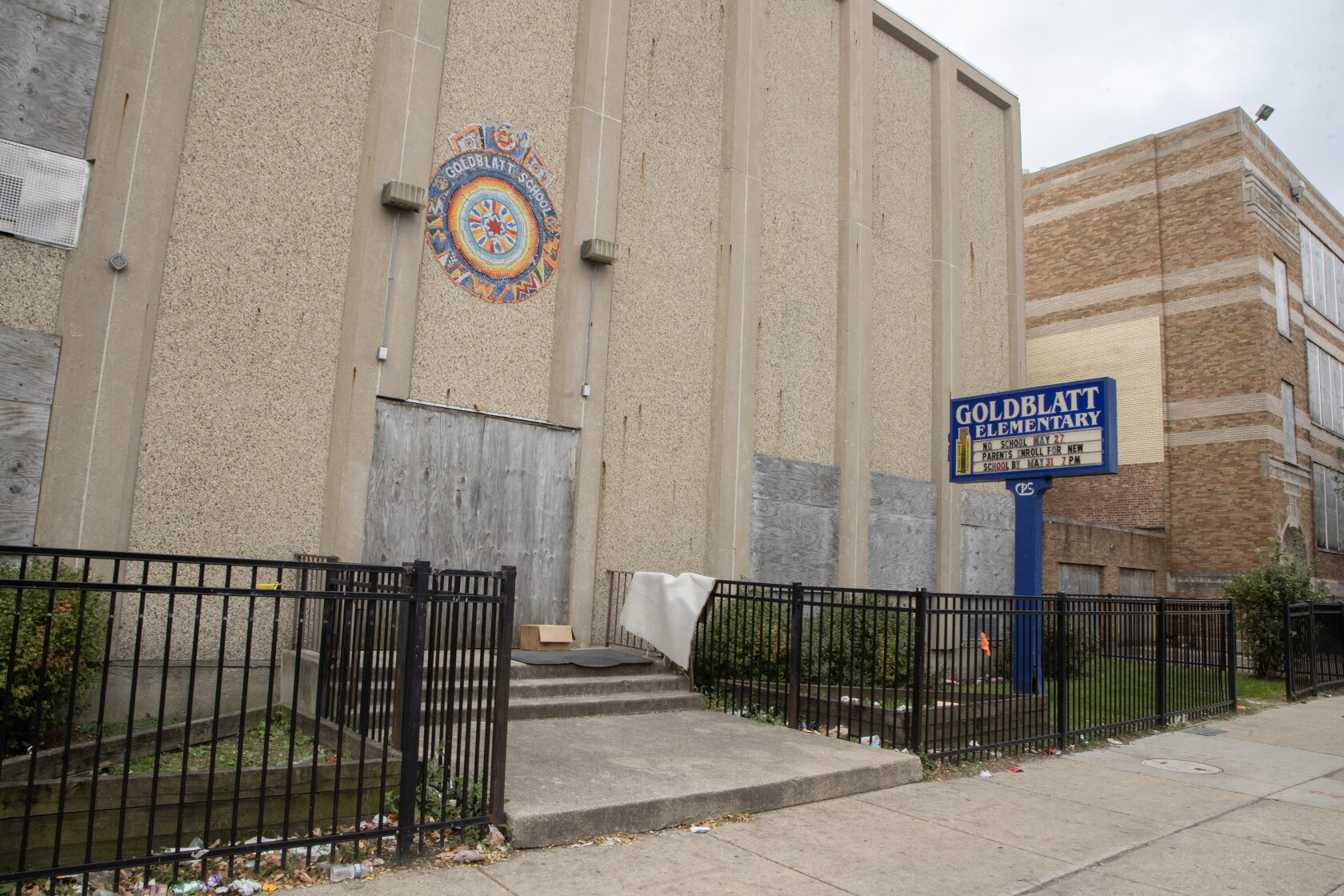
The violence was not limited to shootings. Communities that experienced the uptick in gun violence also saw increases in weapons violations and firearm-related assaults and batteries. The impacts were particularly pronounced around buildings that sat empty for years without any new use.
However, the study revealed a crucial finding that offers hope for policymakers: schools that were repurposed after closure did not experience the same increases in gun violence. One example cited was Anthony Overton Center for Excellence in Bronzeville, which was converted into a community hub. Elizabeth Tung, an associate professor of medicine at the University of Chicago and study co-author, noted that “reuse seemed to mitigate, at least in part, the impact of school closure.”
Despite city officials’ promises to repurpose closed school buildings as community centers, housing, or business ventures, the reality fell far short. As of 2023, more than half of the 49 closed buildings remained vacant. Only 20 schools have been returned to use in the decade following the closures, according to reporting on the issue.
Thomas Statchen, a fourth-year medical student at the University of Chicago and the study’s lead author, emphasized that schools represent far more to communities than just educational institutions. “We wanted to look at the effects of these closures not just as creating vacant buildings, because schools represent so much more as a community institution across generations. They are public spaces that are used for building community by hosting events after school and providing a gathering place,” he said.
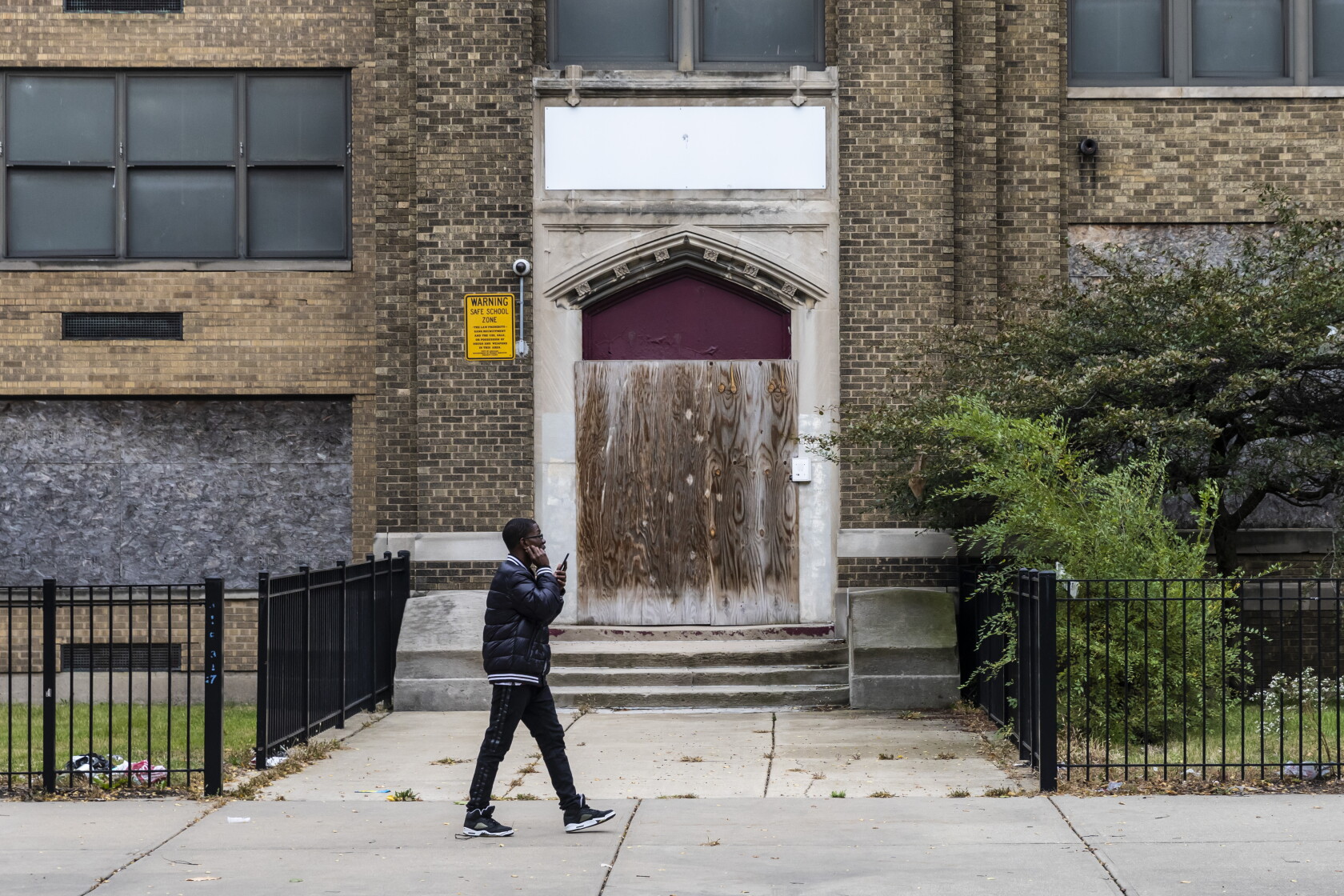
The research draws important connections between physical neighborhood conditions and community cohesion. Schools serve as gathering spaces where residents connect with one another, where children’s movements are monitored, and where community life revolves. When schools close and buildings sit unused, neighborhoods lose a critical anchor that helps maintain social bonds and collective efficacy—the shared belief among residents that they can work together to solve community problems.
The study’s findings align with broader research on the relationship between vacant buildings and crime. Previous research has shown that abandoned and deteriorated buildings create physical opportunities for illegal activity and contribute to the sense that neighborhoods are in decline. The presence of boarded-up windows and neglected properties can signal to potential offenders that areas lack monitoring and community control, according to criminological research on disorder and crime.
Researchers and community advocates hope the findings will inform future policy decisions about school closures. School closures remain a contentious issue in cities across the United States, where school districts face ongoing budget pressures and enrollment declines. The researchers recommended that when officials decide to close schools, concrete reuse plans should be developed and implemented with community input from the start.
Mudia Uzzi, a senior author of the study at Johns Hopkins Bloomberg School of Public Health, underscored the equity dimension of the issue. “Most school closures happen in neighborhoods that are already under-resourced and long disenfranchised, so losing a school hits them twice as hard. Leaders have a responsibility to turn closed school buildings into spaces that strengthen community well-being, so every neighborhood has a fair chance to thrive.”
The study was published in the journal Social Science & Medicine in June 2026, adding to growing evidence that decisions made in the classroom have profound ripple effects in neighborhoods long after the final bell rings.