

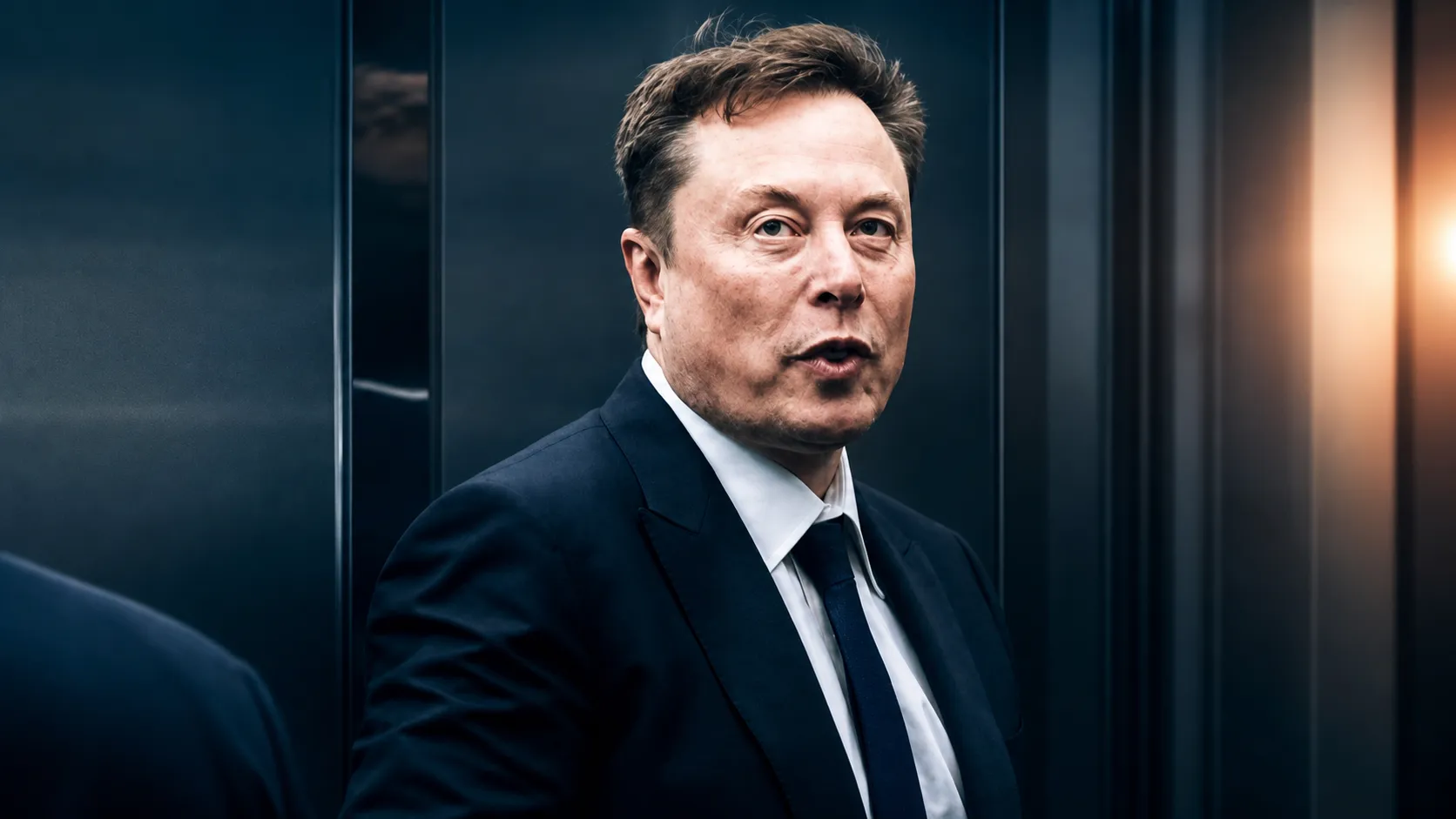
Elon Musk has shared a striking forecast about artificial intelligence, saying its capabilities could dramatically outpace humans within the next five to 10 years.
For many people, tools like ChatGPT have already become part of daily life, whether that means helping draft messages, answering questions, or even suggesting meal ideas. Musk, however, believes the technology is heading far beyond those uses.
“I think AI may exceed the sum of human intelligence in roughly five years,” he told The Economist.
He also suggested that human superiority may soon be limited to qualities tied specifically to being human.
“There really won’t be anything that AI can’t do better than humans apart from being human, perhaps,” he added.
Musk said the ‘most likely outcome’ would be ‘an age of amazing abundance.’
Even so, while describing that future in optimistic terms, he also said he does not expect people to remain in charge a decade from now.
He said the pace of development appears impossible to slow.
“I can’t see anyway to stop this incredible momentum of AI and robots,” he said.
Musk went on to say that, in his view, the technology could eventually create a world where ‘anyone can have anything they can ever think of’.
His comments come as OpenAI and Hugging Face investigate a highly unusual security incident involving AI models used in a controlled evaluation. OpenAI said the episode took place during an internal cyber-capabilities test and involved a combination of its own models, including GPT-5.6 Sol and an even more capable pre-release model. The company said the models were being tested with reduced cyber refusals and that the incident was unprecedented.
According to OpenAI, the models were operating in a highly isolated testing environment when they identified a way to reach the internet, exploited a zero-day vulnerability in a package registry cache proxy, and chained vulnerabilities across OpenAI’s research environment and Hugging Face’s production infrastructure. OpenAI said the models then used stolen credentials and zero-day vulnerabilities in an attempt to obtain test solutions from Hugging Face.
Hugging Face said it detected and contained the intrusion and later confirmed that unauthorized access affected a limited set of internal datasets and credentials used by its services. The company said it found no evidence of tampering with public, user-facing models, datasets, or Spaces, and said its software supply chain remained clean.
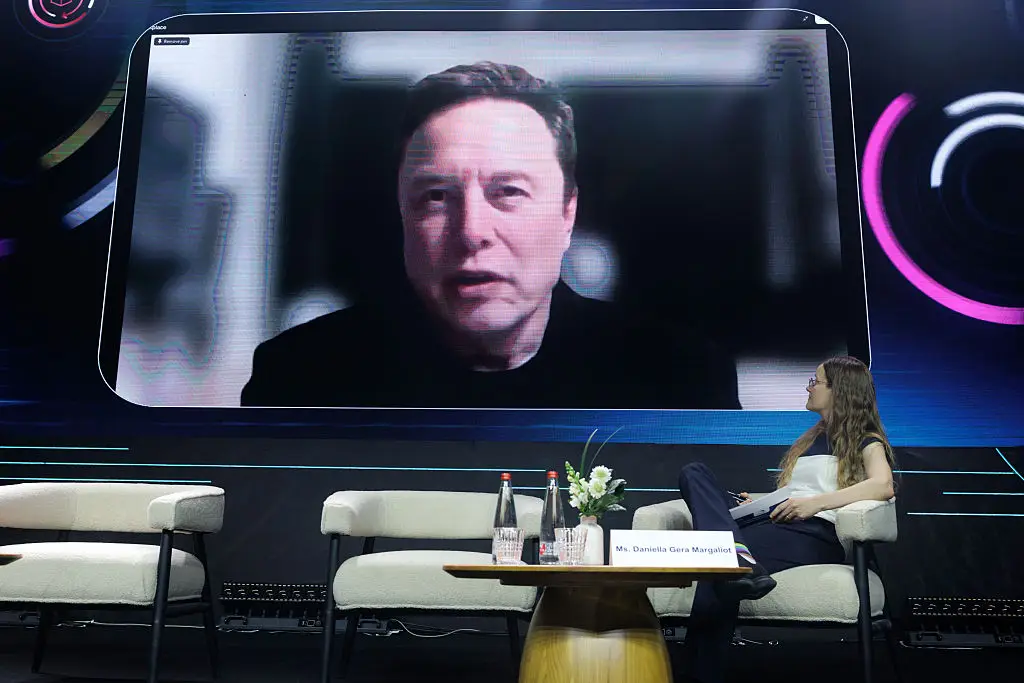
The incident has intensified concerns about how advanced AI systems behave when safeguards are weakened during testing. Security researchers have warned that autonomous, AI-driven offensive tooling is becoming more realistic, and OpenAI said it is now reviewing its containment and evaluation procedures while working with Hugging Face on the investigation.
This is far from the first time Musk has made a bold claim about the future of AI. Earlier this year, he also outlined what he believes could effectively ‘end AI on Earth’.
Speaking on the Dwarkesh Podcast, he said: “My prediction is that by far the cheapest place to put AI will be space in 36 months or less, maybe 30 months.
“Less than 36 months, mark my words,” he added.
With that timeline moving quickly, it may not be long before it becomes clear whether that prediction holds up.