


Argentina’s World Cup reputation has come under intense scrutiny following the 2026 tournament final, as Hollywood celebrities including actor Samuel L. Jackson and other high-profile figures leveled racism accusations against the South American nation and its supporters.
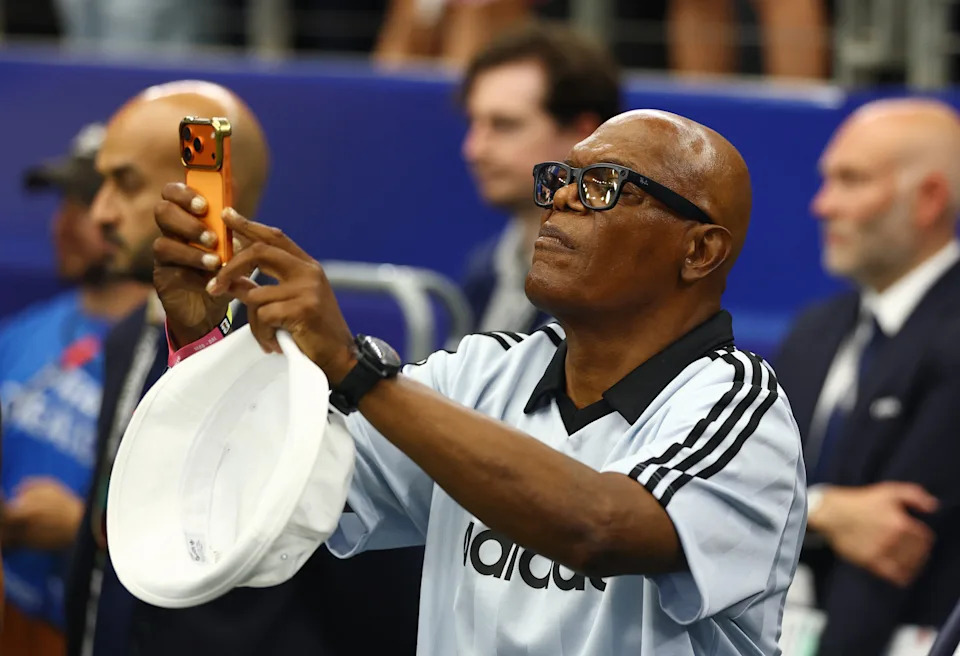
The controversy intensified in the days following Argentina’s 1-0 loss to Spain in the World Cup final on July 19. Jackson, the acclaimed actor known for his Django Unchained role, shared a social media post urging Black people not to support Argentina, describing it as one of “the most racist countries in the world.” The post, originally created by the SEC Black Alumni Network and featuring a photoshopped image of Jackson’s Django character in an Argentina jersey, quickly went viral across multiple platforms.
Jackson’s statement read: “Dear Black People… Please do not cheer or root for Argentina to win the FIFA World Cup. Argentina has historically been one of, if not the most racist, countries in the world. If you are a Black person cheering for Argentina, this is what you look like to me.”
The actor’s comments struck a chord with broader criticisms of Argentina that had been mounting throughout the tournament. Beyond Jackson’s viral post, multiple other celebrities joined in criticizing the team’s on-field conduct and the nation’s handling of race-related issues. Spanish singer Rosalía faced backlash from Argentine fans after sharing content celebrating Spain’s victory, though she later apologized, saying she had not read what the post contained before sharing it. Influencer Mia Khalifa maintained a vocal opposition to Argentina throughout the tournament, celebrating Spain’s win and mocking Argentine players on social media. Former One Direction member Niall Horan faced criticism after liking a post mocking Argentina, though he subsequently clarified that he had made an “honest mistake” and expressed his love for Argentina and its fans.
The criticisms extended beyond entertainment figures. A U.S. Representative invoked Argentina’s “history of racism” when discussing the nation’s World Cup performance, further amplifying the international conversation about the country’s treatment of minority communities and supporters.
Argentina’s troubling track record with racism allegations extends well beyond this tournament. During the 2026 World Cup itself, FIFA condemned racist abuse after an Argentine supporter told American streamer IShowSpeed to “go cry at the zoo” during a livestream. The incident prompted an investigation by football’s governing body.
The pattern of accusations reflects a long-standing issue. Argentine fans have been documented making monkey gestures at Brazilian players during matches, a practice with deep historical roots in Argentine football culture dating back over a century. In the past, the Argentine national team faced backlash for a chant mocking the Black players of France as “not really French.” More recently, midfielder Enzo Fernández was filmed in 2024 singing a similar racist chant after Argentina’s Copa America victory, sparking legal action from the French Football Federation.
During the current World Cup, accusations of misconduct extended beyond racism allegations. Egyptian and Cape Verdean supporters reported that Argentine fans hurled beer bottles and verbal abuse at them during knockout matches. Argentine fans were also accused of violence during their match against Egypt, with scenes of ugly confrontations filmed at Atlanta Stadium.
Despite the mounting criticism, many Argentines pushed back against what they characterized as unfair stereotyping. Some residents argued that their nation’s passionate football culture was being misrepresented. A lawyer from Buenos Aires expressed the view that Argentina deserved “some credit for not being very well-liked, because of this tendency to be arrogant and look down on most people from a pedestal,” while his wife suggested that critics were confusing arrogance with national pride.
A sociologist from Argentina’s National University of San Martin cautioned against generalizing from individual incidents of racist conduct among fans, arguing that criticism often originated from countries that had not fully reckoned with their own historical racism.
Black Argentines and anti-racism activists also pushed back against the characterization of their nation as exceptionally racist. Some pointed to complex historical factors including wars, disease, and epidemics that had affected the Black population, rather than a systematic erasure as some had claimed. They characterized the criticism as part of a “hate campaign” designed to make Argentina the tournament’s convenient villain.
The final itself became emblematic of Argentina’s troubled tournament. Critics highlighted dirty tactics and poor sportsmanship during the match, with Argentine players famously turning their backs as Spain lifted the trophy. Enzo Fernández was sent off during the final, and Argentina failed to register a shot on target across the entire 120 minutes of play.
FIFA initiated disciplinary proceedings following the final, examining match reports and relevant circumstances to determine whether further action was warranted. The case highlighted broader concerns about systemic issues within Argentine football culture that would require institutional response from both the national federation and government authorities.
The controversy underscored deeper questions about Argentina’s national identity and historical relationship with race. Political scientists and historians have noted that Argentina spent generations promoting itself as a predominantly European nation, with policies and narratives designed to emphasize whiteness. This legacy continues to influence contemporary attitudes and behaviors within football culture and society more broadly.
As the dust settled on Argentina’s World Cup campaign, the nation found itself at a crossroads. While some Argentines defended their country’s honor and questioned whether isolated incidents had been unfairly weaponized for international criticism, others acknowledged that racism in Argentine football reflected deeper structural issues that demanded serious attention and reform from both sporting institutions and society at large.