

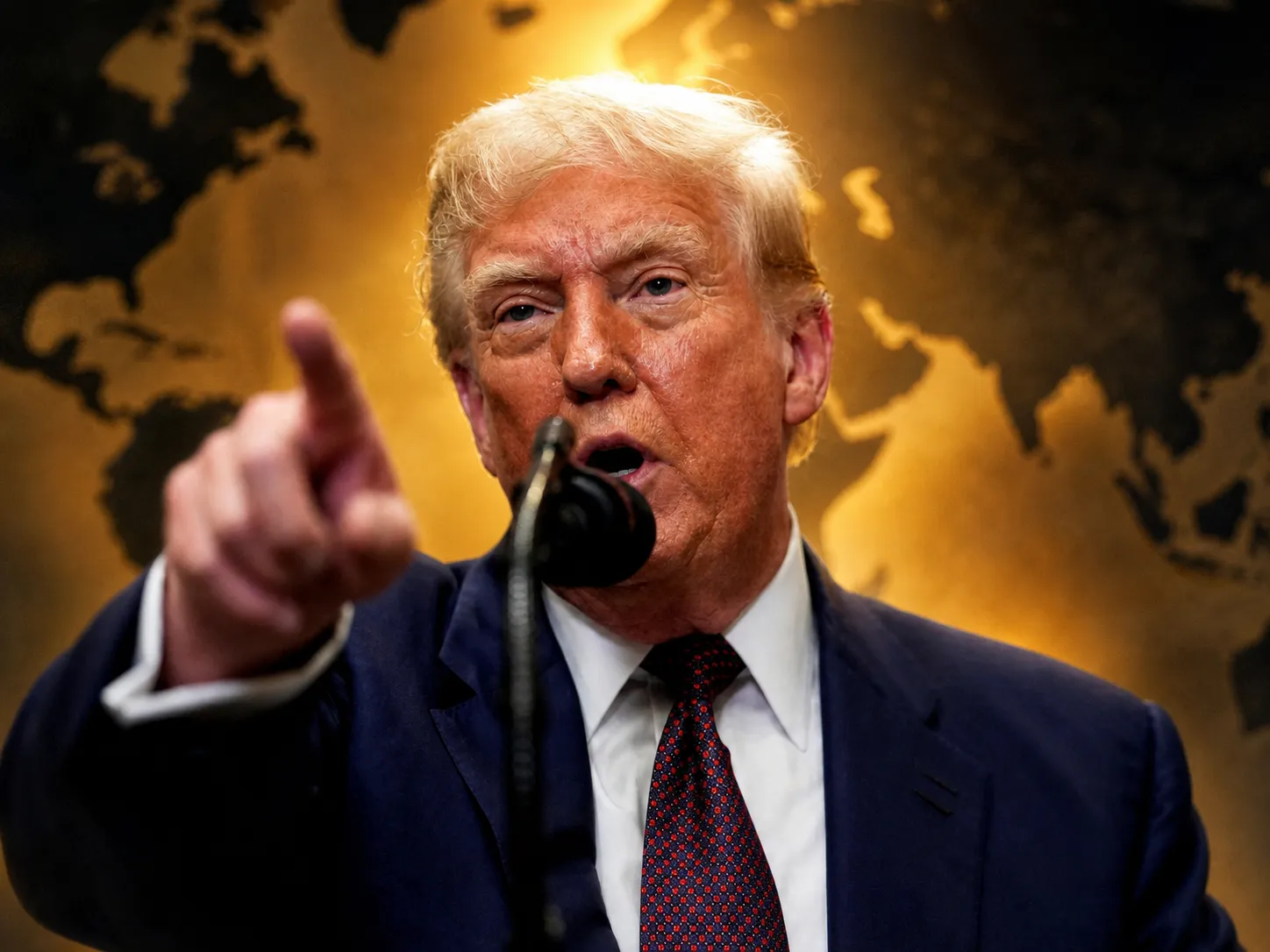
President Donald Trump announced new tariffs on dozens of countries Thursday as temporary levies set to expire Friday opened a critical window in his renewed effort to impose sweeping global trade restrictions. The new duties, ranging from 10 percent to 12.5 percent, will affect 60 trading partners and account for roughly 99 percent of United States imports, replacing temporary 10 percent tariffs that are set to lapse at 12:01 a.m. Friday.
The administration justified the new levies by citing the failure of these countries to adequately enforce bans on imports of goods produced with forced labor. U.S. Trade Representative Jamieson Greer stated that “The United States has had a forced labor import ban for nearly a century, and rigorously enforces it; it’s well past time for our trading partners to do the same.”
The timing of Thursday’s announcement reflects the constraints Trump faces following a Supreme Court setback in February. The court struck down his earlier tariff regime, forcing him to find alternative legal authority. He then turned to Section 122 of the Trade Act of 1974, which allowed him to impose 10 percent tariffs on all countries for 150 days. That temporary measure expires at 12:01 a.m. Friday.
The new tariffs will rely on Section 301 of the same 1974 law, which authorizes the president to impose duties on countries engaging in unfair trade practices. This provision proved more durable in past administrations, particularly Trump’s first term, when Section 301 tariffs on China survived court challenges. The shift to Section 301 allows Trump to establish what administration officials argue will be more permanent tariffs, addressing longstanding concerns about forced labor in global supply chains.
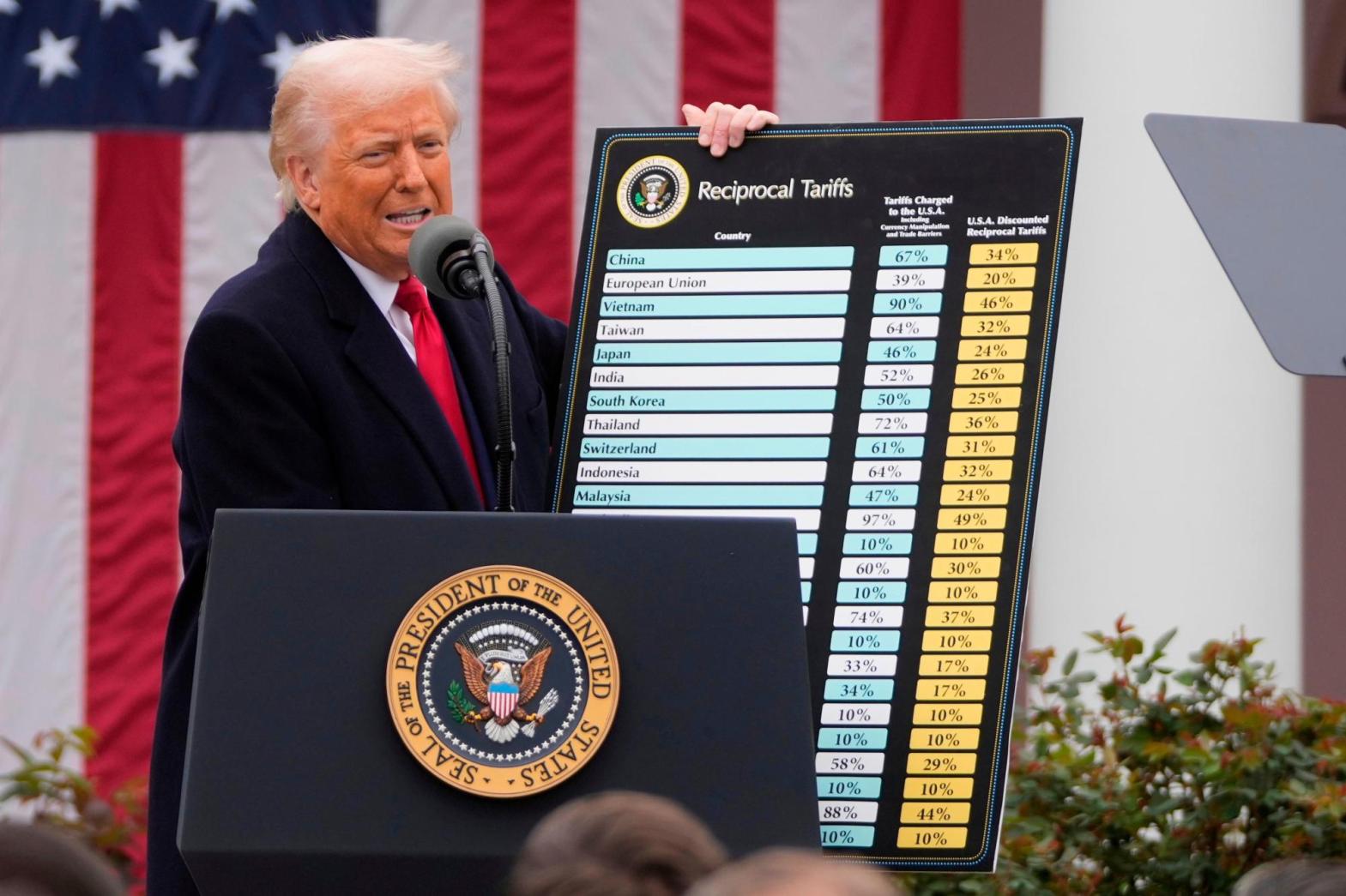
Under the new structure, countries with what the administration deems adequate forced labor enforcement will face 10 percent tariffs, while those with inadequate enforcement will be charged 12.5 percent. Some countries, however, have made improvements since the administration initially proposed these tariffs in June. According to a senior administration official, India’s rate was lowered from 12.5 percent to 10 percent due to tightened forced labor enforcement.
The tariffs come with notable exemptions. Oil and gas, fertilizer, certain foodstuffs, and goods already subject to national security tariffs will be spared. Additionally, products qualifying for duty-free status under the U.S.-Mexico-Canada Agreement will be excluded.
The new tariffs represent one of the largest trade actions of Trump’s second term. U.S. Trade Representative Jamieson Greer emphasized that the action addresses “what is both a human rights abuse and distortive trade practice to improve the welfare of workers everywhere.” The administration said the investigation that led to these tariffs included two rounds of public hearings and more than 2,100 public comments.
This move comes as the Trump administration pursues parallel investigations that could result in additional tariffs on even more countries. The U.S. Trade Representative’s office has launched a probe into whether 16 countries, accounting for 70 percent of U.S. Imports, have engaged in overproduction of goods that pushes down prices and harms American companies in global markets. That investigation remains incomplete, meaning additional tariffs are likely in the months ahead.
The administration has already taken Section 301 action against Brazil, imposing a 25 percent tariff on most imports from that country over unfair trade practices including digital trade policies and market access issues. Brazil faces the prospect of additional forced labor tariffs, potentially bringing its total tariff burden to 37.5 percent.
A senior Trump administration official disputed characterizations that the forced labor tariffs simply replace the expiring Section 122 duties. The official argued that the U.S. Maintains stronger import bans on forced labor goods and enforces them more rigorously than other countries, giving American competitors an unfair disadvantage. The official noted that both Democrats and Republicans in Congress have called for eradication of forced labor from global supply chains.
The broader tariff landscape reflects Trump’s determination to maintain high barriers on imports following his Supreme Court loss. After the court invalidated his original tariff regime imposed under emergency powers, the administration quickly pivoted to find alternative statutes with more durable legal standing. Close to 80 trade investigations have been opened by the U.S. Trade Representative’s office, suggesting numerous additional tariffs could be imposed on countries including China, the European Union, India, Japan, South Korea, and Mexico in the coming months.
The move also follows recent escalations against key trading partners. Earlier this week, Trump imposed 50 percent tariffs on Canada in response to what the administration characterized as retaliatory actions taken by Ottawa. The new tariffs come as negotiations over the U.S.-Mexico-Canada trade agreement remain ongoing, with Mexico pursuing bilateral talks to reach a revised deal by year-end while Canada has been largely sidelined from those discussions.
Trump has argued throughout his second term that high tariffs will revive American manufacturing and reduce the nation’s trade deficit. His administration moved away from decades of U.S. Policy favoring lower tariffs and freer trade. While economists have warned that such duties could trigger inflation and harm smaller businesses, the Trump administration continues to expand its tariff agenda using whatever statutory tools remain available after the Supreme Court’s ruling constrained its options.