

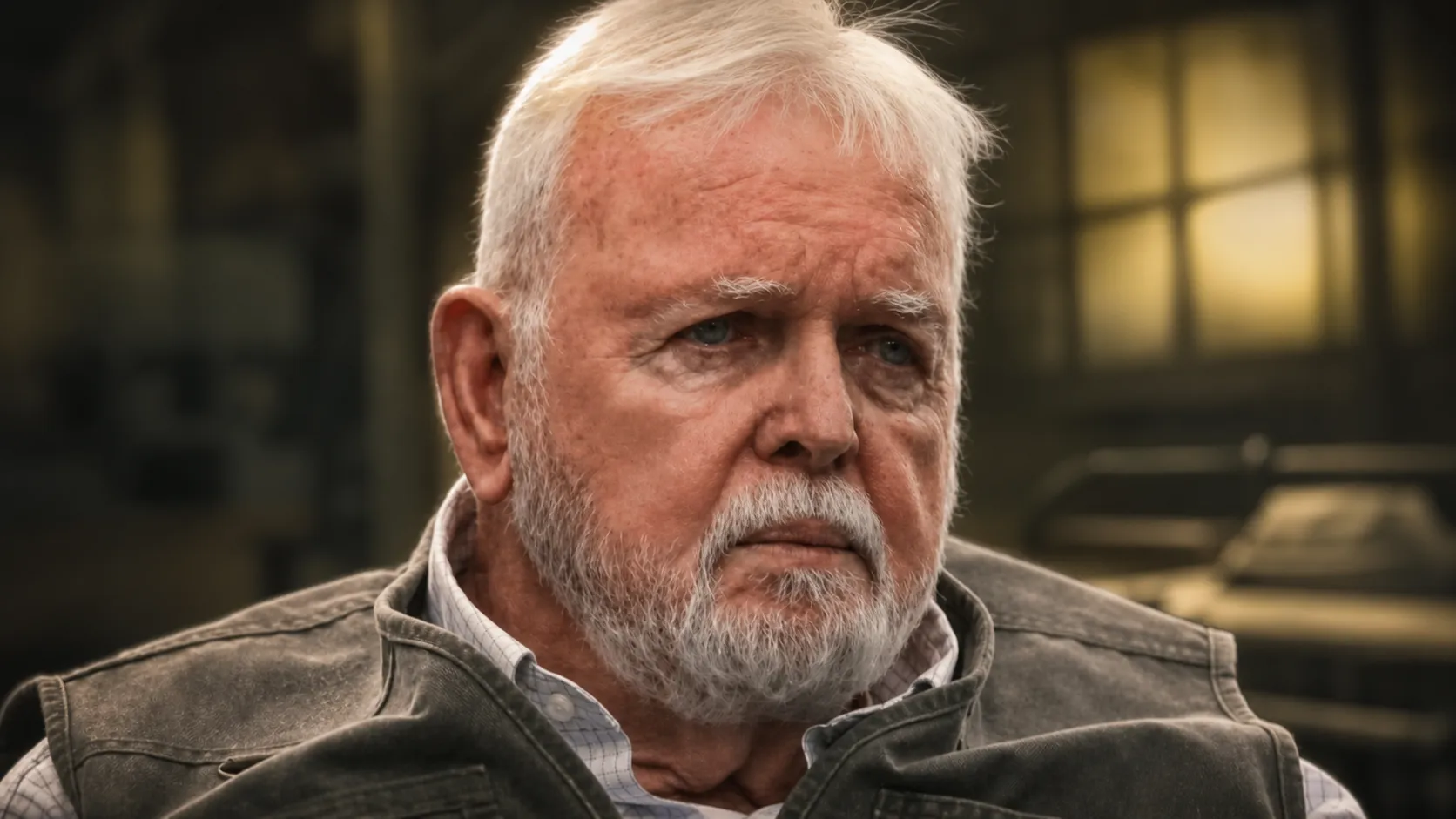
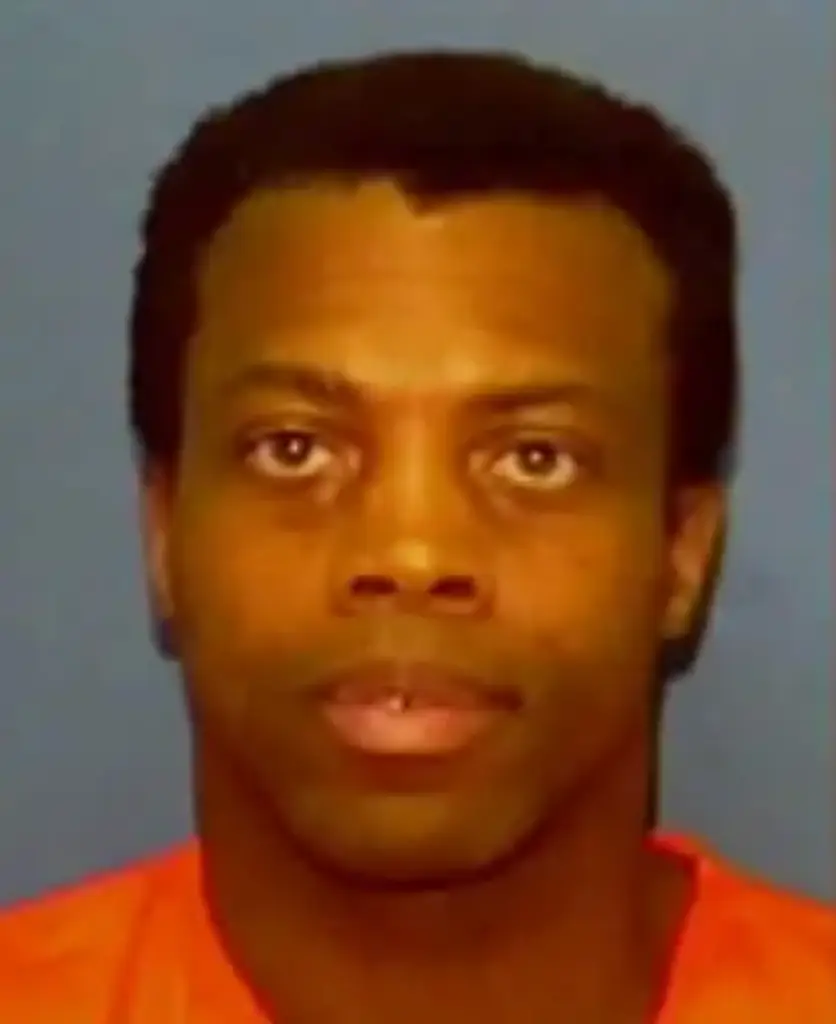
A former prison warden who oversaw executions has described the moment he decided to leave the role, saying the March 25, 1997 execution of Pedro Medina left him dealing with PTSD.
Medina had been sentenced to death for the 1982 killing of elementary school gym teacher Dorothy James in Orlando. He was 39 when he died in Florida’s electric chair, an execution that became one of the state’s most notorious and widely discussed after flames and smoke were seen during the procedure.
Ron McAndrew, now 88, was in charge of supervising the execution after previously overseeing two other deaths carried out in the electric chair.
At the time, Florida still used electrocution as a permitted execution method. Today, the state’s death-penalty law provides for lethal injection as the default method, while allowing electrocution if a person sentenced to death makes that choice in writing within the statutory window.
As Medina was secured in the chair, his final words were recorded before the procedure began.
“I’m still innocent.”
In a recent interview, McAndrew said his specific responsibility was fastening a leather strap around Medina’s right ankle.
Before the execution started, though, he said he was worried that the damp sponge used to ‘help conduct the electricity’ had been squeezed out too much.
Despite raising the issue, McAndrew said his concern was brushed aside and the execution continued. What followed, he later said, was a horrifying scene in which Medina appeared to ‘burn to death’.
“I gave him the signal to commence the electricity. But the instant the electric hit Pedro’s head, there was a spark and a loud pop.
“Even in one’s home, if you flick an electric switch and you get a pop, you know darn well something has gone wrong.
“Suddenly, a plume of black smoke came out from under the helmet, followed by a flame. It came right up in front of my face, and there was a very serious tightening of the body.”
He said the physical reaction was unlike anything he had witnessed during the previous two executions.
“You could see the hands squeezing the ends of the arms on the chair with the force of a mighty man. And the rest of the body heaving. These were motions I had not seen in the first two, there was a great deal more resistance.
“I suddenly realised we are not electrocuting this man, we were burning him to death — because it continued to burn on the top of his head.”
The chamber reportedly filled with smoke, and Medina is believed to have died around 15 minutes later.
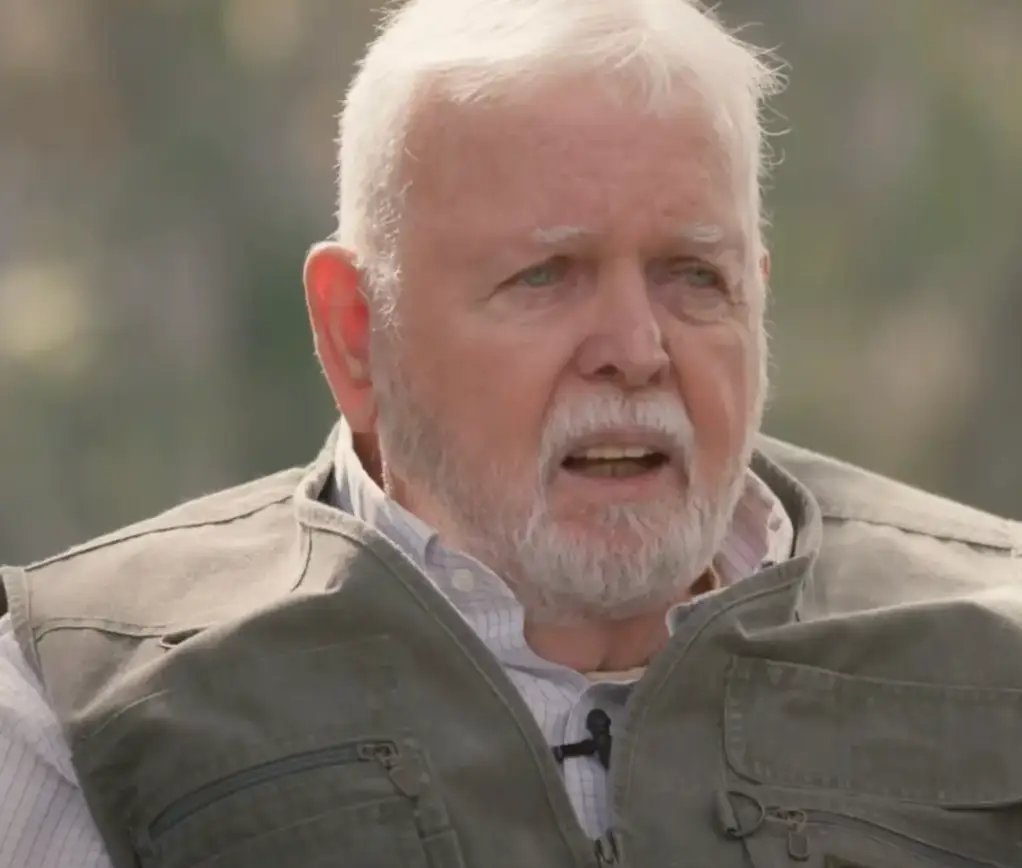
McAndrew stepped down as warden and execution supervisor the following year, later explaining that the experience left him in a ‘dark place’ and struggling with PTSD.
He also said he had started to feel increasingly troubled by the ethics of carrying out executions.
“I was beginning to question why we were killing people that we already had in captivity,” he told Death Penalty Info.
“I was feeling uncomfortable about taking the lives of people that were captured and, and were no longer a threat to anyone.”
McAndrew has said he has been in therapy for the past 13 years and still experiences flashbacks from the execution.
More recently, he has become an outspoken opponent of the death penalty. In Florida, the issue remains active and politically charged: state law still allows death sentences to be carried out by lethal injection or, at the inmate’s election, electrocution, and the state has continued to carry out executions in the modern era.