


The soaring cost of feeding a family has become the defining economic fact of American life, forcing consumers to rewire the habits they have relied on for decades. Buying food to eat at home has become 33 percent more expensive in U.S. Cities since the beginning of 2019, a dramatic contrast to the 7.5 years before that period when prices rose just 6.4 percent. This historic surge—the biggest jump in grocery prices in a half-century—is reshaping how millions of Americans shop, eat, and plan their meals.
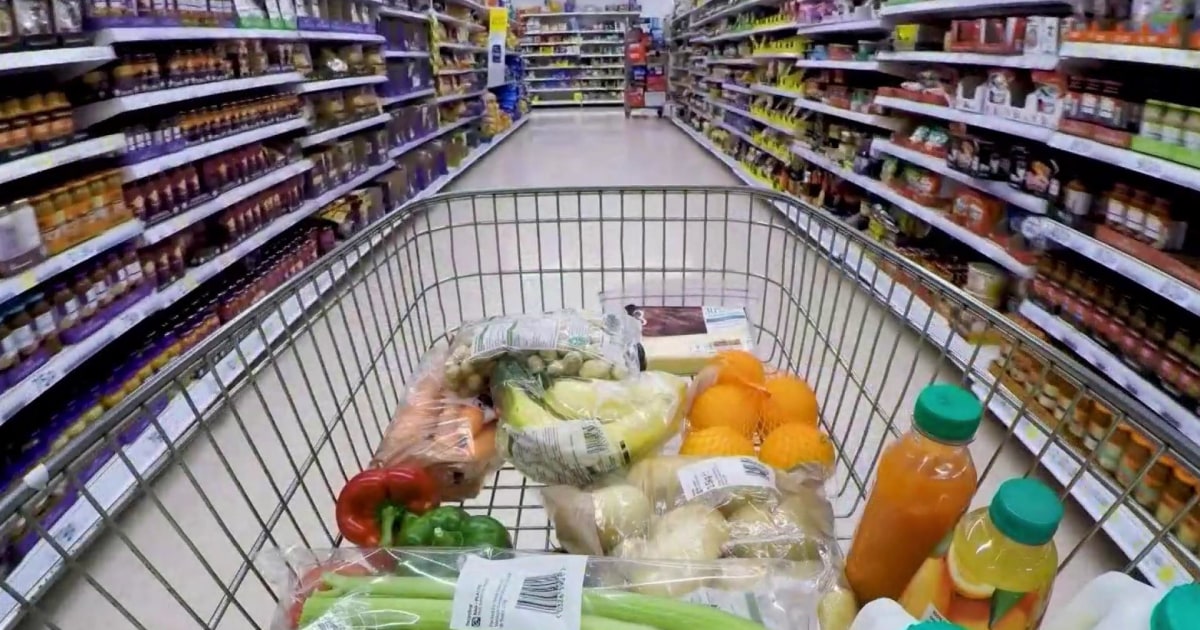
The transformation is evident in supermarket aisles across the nation. What was once routine grocery shopping has become a carefully orchestrated hunt for bargains. Shoppers now scout store apps for deals before leaving home, clip coupons while standing in checkout lines, and compare prices across multiple retailers to squeeze every dollar from their budget. Some have abandoned favorite brands and familiar products entirely, trading premium items for store-brand alternatives or simply going without. For millions, dinner has become whatever is on sale rather than whatever sounds appealing.
The surge in food costs has touched nearly every demographic and income level. According to recent surveys, 82 percent of consumers modified their shopping behavior in 2025, with 88 percent of Americans overall making changes to their grocery habits since inflation accelerated. Even households earning more than $100,000 annually report changing how they shop, though they are actually more likely than lower-income households to cite food prices as their primary reason for altering their behavior. Fifty-three percent of Americans surveyed say rising grocery prices are a significant source of stress. The anxiety is palpable: nearly two-thirds report feeling stressed about whether they can afford groceries in the coming month.
The strategies Americans are deploying reveal the depth of the problem. The most common adjustments include paying closer attention to prices, cutting back on “splurge” items once considered essential, being mindful of food waste, and switching to generic or store brands. Some families have started visiting multiple supermarkets in a single shopping trip to find the lowest prices rather than consolidating at a single location. Others have abandoned impulse purchases entirely and stopped eating out as frequently, with nearly 60 percent reporting they dine at restaurants less often than before.
This consumer behavior shift is reshaping the grocery industry itself. Discount retailers are capitalizing on the moment. Aldi, the German-based discount grocer, is opening more than 180 new stores across 31 states in 2026 and has recruited 17 million new customers during the past year. One in three U.S. Households now shops at Aldi. The company, which celebrated its 50th year in America, is on track to operate nearly 2,800 locations by year’s end and aims for 3,200 stores by 2028. Aldi’s store traffic rose more than 50 percent between 2019 and 2024, with visits increasing 8 percent year-over-year in 2025, outpacing competitors like Costco, Albertsons, Kroger, and Walmart.

The causes of this unprecedented inflation are complex and structural. The coronavirus pandemic snarled supply chains and raised labor and transportation costs, disruptions that persist even as the acute pandemic phase has ended. Droughts, hurricanes, and diseases like avian flu have driven down production across multiple categories. Tariffs on foreign products like coffee, tomatoes, and chocolate have raised prices on imported goods. More recently, conflict in the Middle East has disrupted shipping through the Strait of Hormuz, driving up fuel costs that ripple through the entire food system. Weather events continue to play an outsize role—severe drought conditions have forced ranchers to reduce cattle herd sizes to historic lows, and recent warm winters have reduced snowpack and water availability for fruit and vegetable growers.
Specific items tell the story of the broader squeeze. Coffee prices have jumped 18.8 percent over the past year, driven by adverse climatic conditions and reduced exports from major producing nations. Tomatoes cost 40 percent more than they did a year ago. Beef prices have climbed sharply, with ground beef up about 15 percent and steaks 16 percent higher. Even as some items like eggs have seen relief—declining 39 percent from pandemic peaks—they remain a focal point of consumer concern.
The psychological impact may be as significant as the numerical one. Consumers perceive food inflation as much worse than official statistics suggest. While government data shows food prices rising around 2.7 percent in recent quarters, consumers report experiencing inflation closer to 5 percent or higher. This gap reflects years of accumulated price increases that have eroded purchasing power. Families feel the burden not just in month-to-month budget strains but in anxiety about the future.
Some of these shopping habit changes may persist even when prices stabilize. Once Americans learn that store-brand canned tomatoes taste indistinguishable from expensive name brands, or discover the satisfaction of making simple meals from pantry ingredients, reverting to old patterns may prove difficult. The person who has learned meal planning during inflationary pressure may continue that discipline even when financial pressure eases. Yet as food costs continue climbing through 2026—with industry experts warning that grocery inflation could exceed 4 percent depending on global disruptions—the immediate question for millions of households remains urgent: how to keep feeding their families without sacrificing other necessities.