


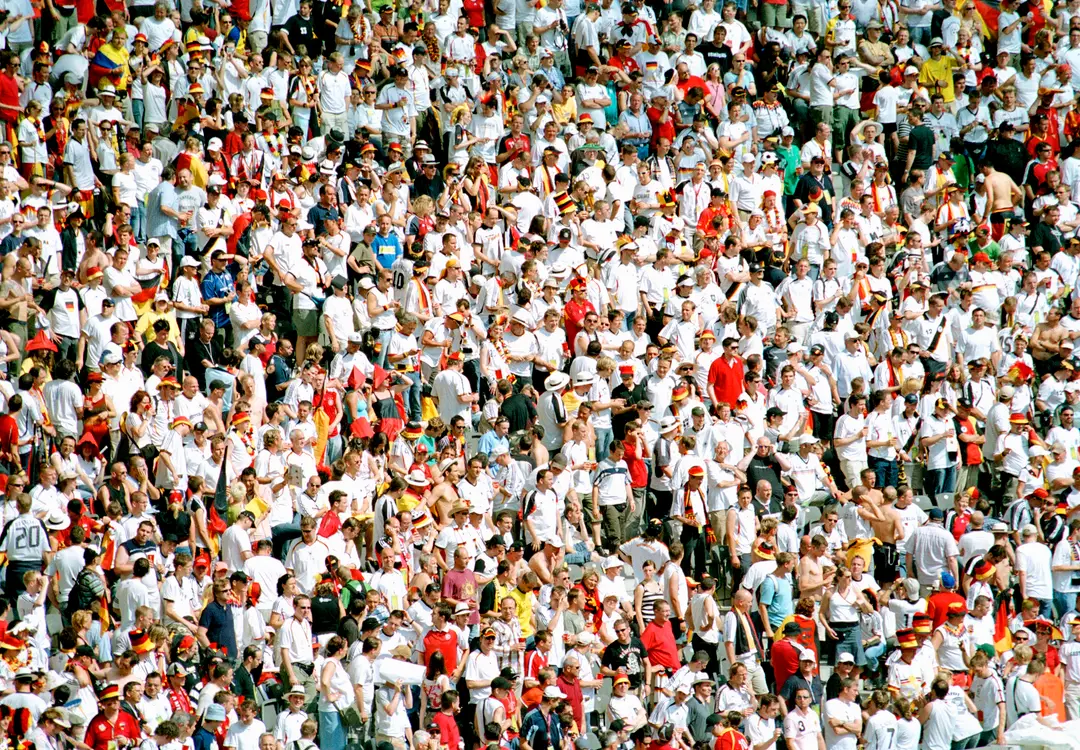
The 2026 World Cup is over and international supporters have returned home, but some may have brought back more than tournament memories and a taste for Americana.
The competition, hosted across the US, Canada and Mexico, drew huge crowds from around the globe and was widely seen as a strong showing for the three host nations.
Fans traveled in their thousands to back their countries in the fight for football’s biggest prize, though only one side could ultimately lift the trophy.
After a tense route to the closing stages that saw Argentina battle deep into the tournament, Spain finished on top.
For many supporters it was a day of celebration, while for others it marked another missed opportunity to be crowned the best in the world.
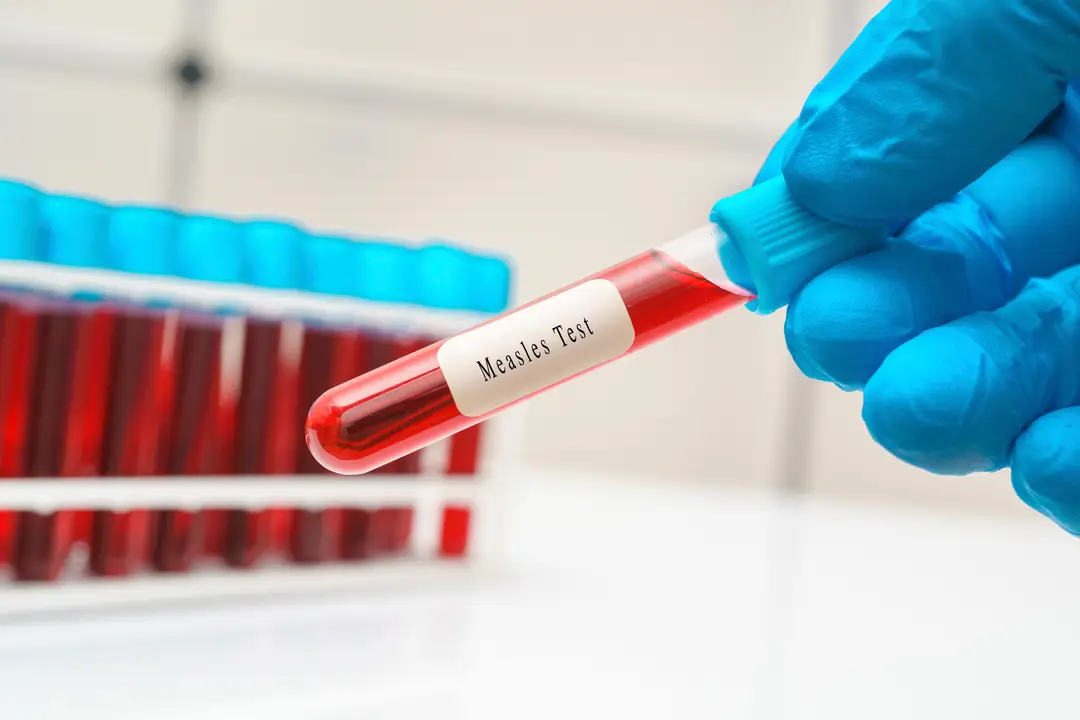
But beyond results on the pitch, health officials are also paying attention to another issue, with concerns that some travelers may have been exposed to measles during the tournament.
Public health officials say that is especially worrying because measles can spread before people even realize they are infected. Symptoms usually begin one to two weeks after exposure and can include fever, cough, runny nose and red, watery eyes, with a rash appearing a few days later. The virus can linger in the air for up to two hours after an infected person has left a space, which is why crowded airports, stadiums and public transport can all pose a risk.
Across the Americas, measles activity has also been rising sharply this year. By late May, the region had reported more than 21,000 confirmed cases and dozens of deaths, with Mexico, the United States and Canada accounting for the vast majority of infections.
Measles infections have been climbing in recent months, as criticism has also intensified around US Health Secretary Robert F. Kennedy Jr. Over his opposition to vaccination.
Often described as the most contagious disease in the world because of how easily it spreads between people, measles cases in the US have reached their highest level in 35 years, according to the Centers for Disease Control and Prevention.
As concerns grew around the number of cases in the US, Alejandra Gaiano, deputy secretary of the Infectious Diseases Committee of the Argentine Paediatric Society, warned football fans about the risks, La Nacione reported.
“At the moment, the return of everyone who travelled to the World Cup means we are on much higher alert, because in the three countries where it took place, there is a great deal of viral circulation.
“Canada lost its status as a measles-free country because of local transmission for over a year, which meant the whole region lost that status. Bolivia has also had local transmission for over a year. The virus is transmitted via the respiratory tract and is the most contagious known to humankind.”
Measles spreads through airborne droplets that can be inhaled, making it especially easy to pass from person to person.
The CDC says symptoms can include a high fever, cough, runny nose, and red, watery eyes.
Gaiano is not the only medical expert to sound the alarm.
Dr Brannon Traxler, acting director for the South Carolina Department of Public Health, issued a statement stressing the importance of increased vaccination coverage across the country:
“If we don’t continue to see increases in vaccination, I’m worried that we could see another large… Outbreak in a community where it gets introduced from someone who travelled.”
Dr Mark Roberts, retired director of the Public Health Dynamics Lab at the University of Pittsburgh School of Public Health, also spoke about the dangers in comments to Click on Detroit, arguing that the biggest risk is often to people around the infected person rather than the carrier alone.
He described them as ‘innocent bystanders’.
“Not vaccinating your kid is like saying, ‘I don’t want my car to have brakes,’” he said. “Because it’s other people that you can hit. It’s not just you in your car. It’s other people.”
Health experts say the best protection is up-to-date measles, mumps and rubella vaccination. Two doses of MMR are recommended for children, and CDC guidance says international travelers who are not fully protected should be vaccinated at least two weeks before departure. Even one dose can help reduce the risk if travel is imminent.
The US has confirmed 2,318 measles cases so far this year, surpassing last year’s total of 2,289.
Reports also suggest that the number of cases recorded over the last 18 months exceeds the combined total seen in the previous 25 years, adding to growing concern among public health officials.
The US Department of Health and Human Services has been approached for comment.