

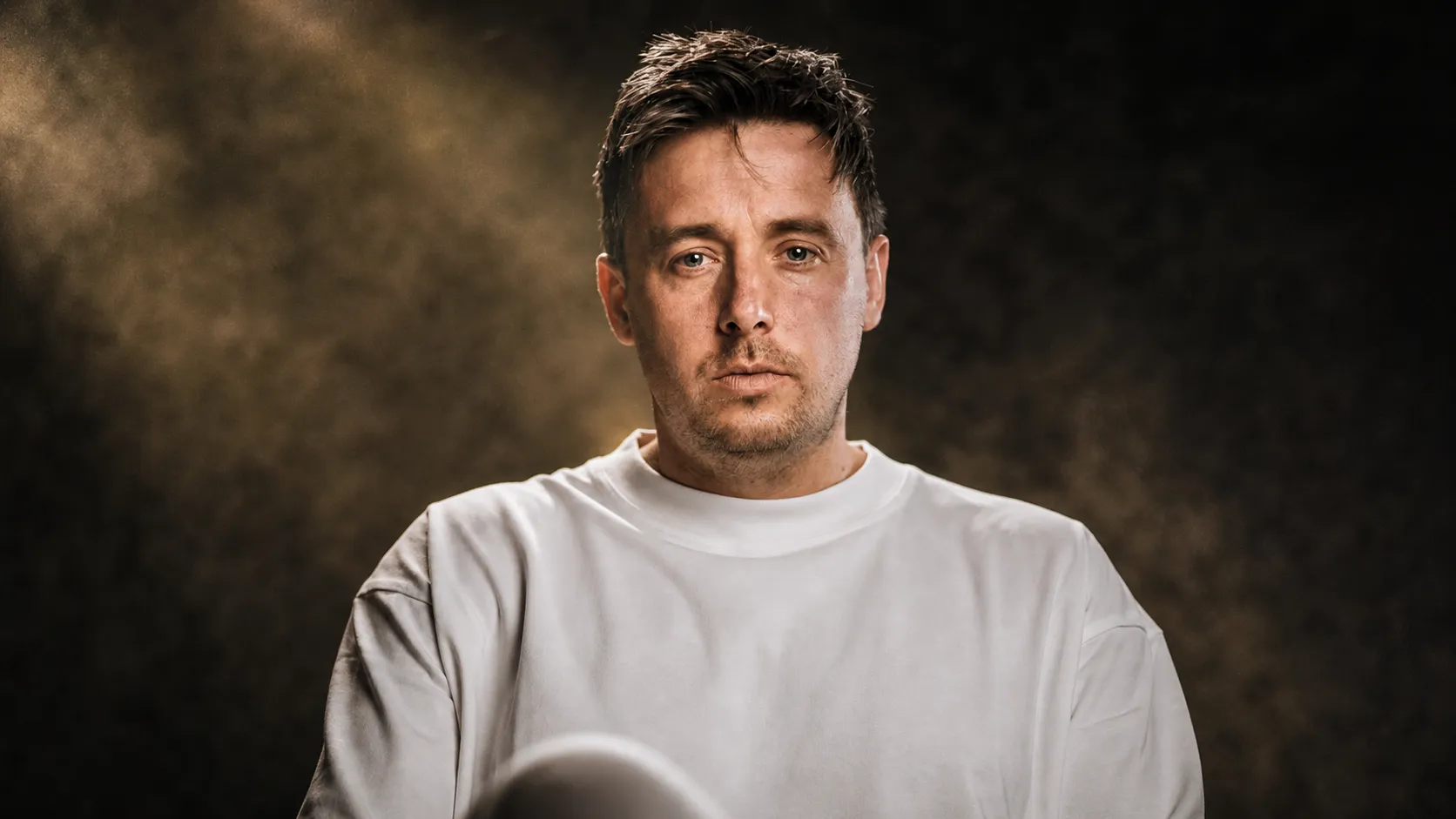
Steven Hamill, who survived an ‘aggressive’ form of penile cancer and underwent the amputation of half of his penis, has spoken about the early warning signs he noticed — and the fact he says he was dismissed twice by his doctor before receiving the correct diagnosis.
Back in 2019, Steven sought medical help after experiencing swelling, pain, and unexpected bleeding from his penis. What followed was a painful and deeply distressing ordeal that would eventually change his life.
Penile cancer is rare, and while it most often affects men over 50, it can occur at a younger age too. The penis skin and foreskin are the areas most commonly affected, and symptoms can include a growth or sore that does not heal, bleeding, discharge, pain, swelling, a rash, or changes in skin colour.
In an interview, Steven recalls:
“Before I went to the doctor, I Googled what was happening to me. And the top of the list was penile cancer. I didn’t even know penile cancer existed at this point.
“So I looked at all the symptoms. I had every single one of them apart from I was 26. It was the only one I didn’t have. So when I sat down with the GP, he had a look, he’s seen it, and then he told me it’s most likely an infection called balanitis, which is a bacterial infection of the penis.”
He was given steroid cream, but after raising concerns about penile cancer symptoms, Steven says the response from the doctor was dismissive.
“No, I’ve never heard of anyone getting it at your age to the severity it will be to be like that.
“It’s 90% just an infection, so put this cream on, and we’ll see how it goes.”
Steven followed that advice and used the cream, but instead of getting better, his condition deteriorated.
“It intensified over the next couple days,” he says. “Best way of saying it is like a needle going into the end of my penis repeatedly, like on repeat, consecutively, no respite at all.”
When he returned to the doctor, he says he was again told it was balanitis, only this time a severe case. His steroid dosage was increased, but just two days later he blacked out in his brother’s car and woke up sitting in a pool of blood that had come from his genital area.
That was the point when he went to the emergency department.
After hospital tests and admission to the urology department, Steven says he was finally given the devastating diagnosis: an ‘aggressive’ penile cancer.
Doctors diagnose penile cancer with a biopsy, which is the main test used to confirm the disease. Depending on how far the cancer has spread, treatment can range from creams or laser therapy in early cases to surgery, chemotherapy, and radiotherapy in more advanced cases.
Describing what had been happening to his body, he says:
“I had the swelling. I had the pain, had the bleeds. Basically what it was, what the bleeding was, was the cancer eating my penis.”
“So the discharge I was talking about was death smell, just complete death smell because it was death. It was the cancer eating away at the muscle. The blood was releasing the dead muscle out of my body.
“I was being eaten alive by this growth, and that’s why the pain was so consistent.”
He added:
“That’s why everything was so aggressive. So it really annoys me how a GP can see I’m in this pain and go, ‘Infection, this mate’.”
Steven was later transferred to a specialist cancer hospital, where doctors planned a circumcision because of the rapid swelling affecting his foreskin.
But he says there was another delay before the operation could happen, and during that time he suffered a major bleed that left the bathroom “looking like a scene from Saw”.
“999 got called, and that was the first ever moment I thought, ‘I’m done now. This is me done’,” Steven says of the moment. “I was losing too much blood not to be done. So it took that for [the hospital] to then rush me back in for the circumcision.”
After the procedure, Steven says he was told surgeons had no option but to remove four inches of his penis in a partial penectomy after half of it had effectively “dropped off”.
He also remembered the shock of seeing it for the first time afterward.
“I actually remember them taking the bandage off for the first time and seeing it. Because the bandage was so wrapped tightly, keeping it all in-packed, when they took the bandage off, it… This is going into well too much detail.
“It was very like I’ve just got out of the bath.
“It was so wrinkly. That was the most weirdest experience because it was wrinkled. It was, like, inverted a little bit. The size was completely different.”
Coming to terms with those changes took time. Steven has said he had to relearn how his body functioned and rebuild his confidence in himself. He is now cancer-free and wants other men to pay close attention to any unusual genital symptoms rather than putting them off.
“So if anything is a bit wrong, they’re gonna know and don’t ignore it. That’s the biggest thing I can say,” he says.
People should seek medical advice if they notice any changes to how the penis looks, bleeding or discharge, a lump or sore that will not heal, or any persistent symptoms. Even when symptoms are caused by something less serious, getting them checked early can make a big difference.
According to the Cleveland Clinic, warning signs of penile cancer can include bleeding, discharge, swelling, pain, a lump or sore, a rash, or changes to the skin of the penis. Even if symptoms are painless, medical advice should be sought as soon as possible.
Risk factors can include HPV infection, smoking, phimosis, and poor penile hygiene. In some cases, penile cancer can develop even when no clear risk factor has been identified.
If you’ve been affected by any of these issues and want to speak to someone in confidence, contact the American Cancer Society on 1-800-227-2345 or via their live chat feature, available 24/7 every day of the year.