

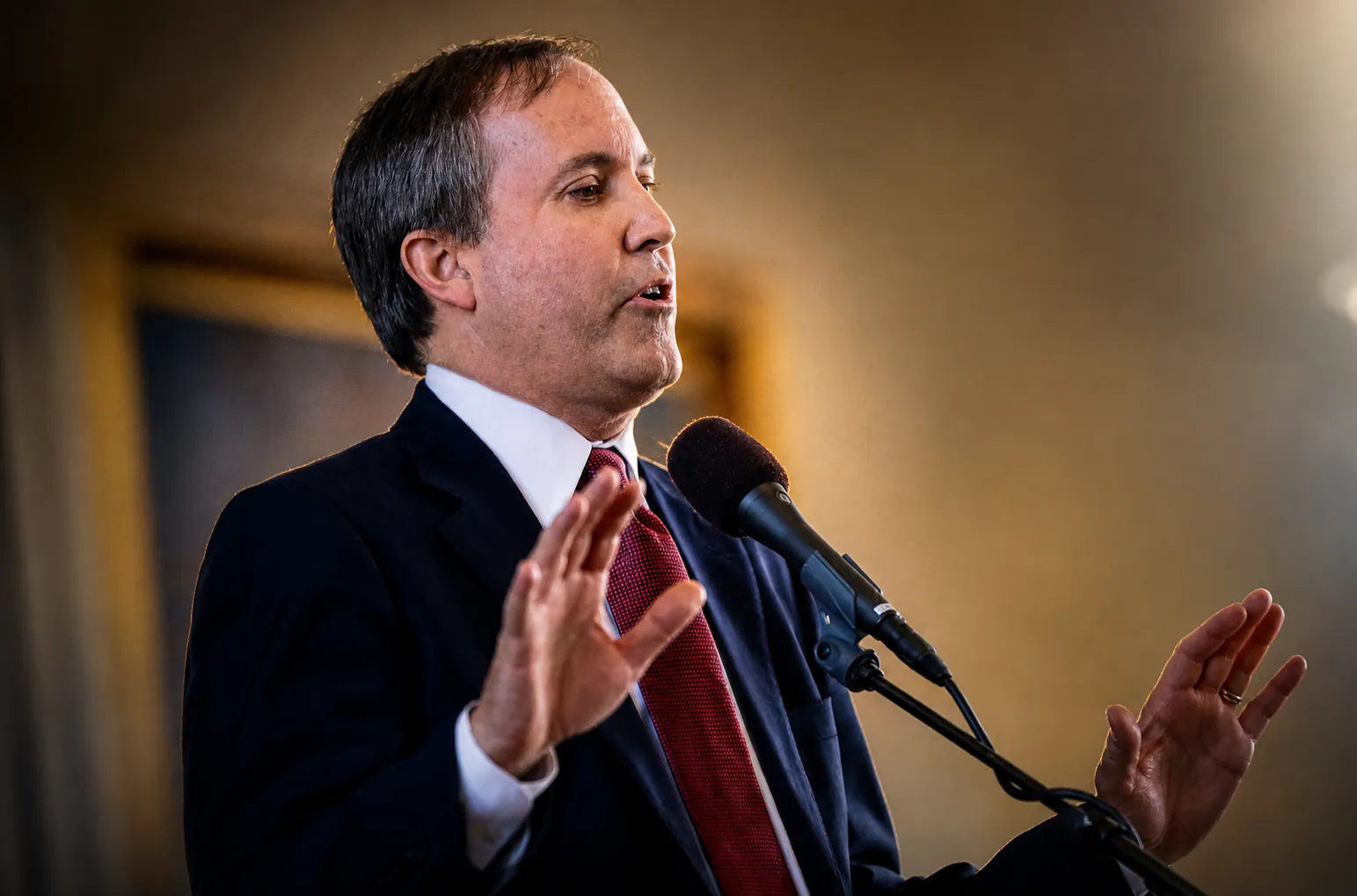
Ken Paxton has spent more than a decade in elected office shadowed by scandal, yet he has won every election he has contested. Now, Democrat James Talarico is attempting to accomplish what previous challengers have failed to do: defeat a candidate whose list of legal troubles rivals few politicians in modern American history.
Paxton’s rise through the ranks of Texas politics began under a cloud. Shortly after taking office as attorney general in 2015, he was indicted on felony securities fraud charges stemming from accusations that he had misled investors in a technology startup by failing to disclose he would receive compensation from the company. The case languished in the courts for nearly nine years before prosecutors agreed to drop the charges in 2024 if Paxton performed 100 hours of community service and paid restitution to affected investors.
But the securities fraud indictment was only the beginning. In 2020, eight of Paxton’s top deputies in the attorney general’s office filed a bombshell complaint with the FBI, alleging that their boss had abused his position to assist Austin real estate developer Nate Paul, a wealthy donor who was under federal investigation. The whistleblowers claimed Paxton directed his office to take unusual and potentially illegal actions on Paul’s behalf. Four of those employees who were fired, demoted, or reassigned subsequently filed a lawsuit and were awarded more than $6 million in damages.
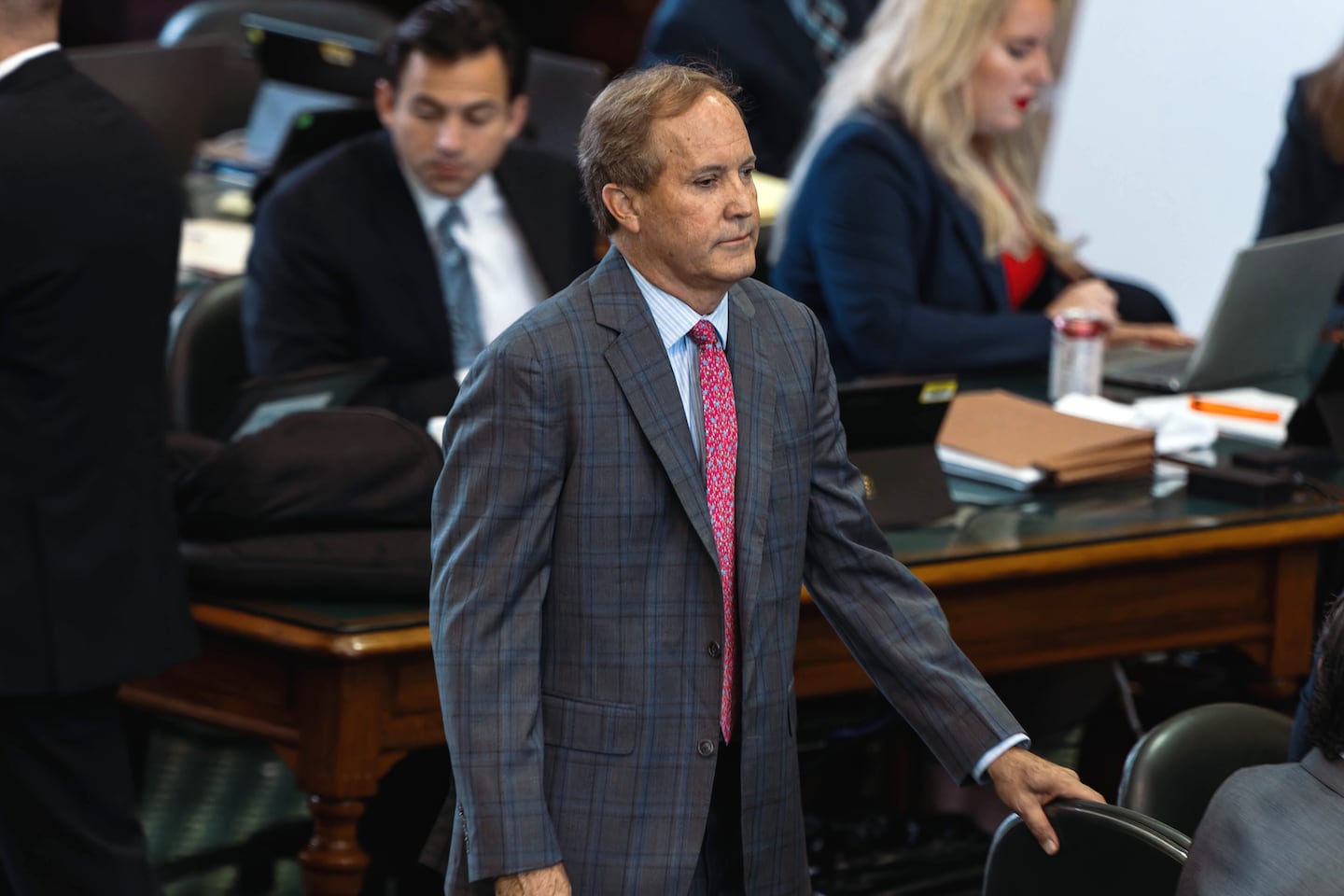
The whistleblowers’ accusations eventually triggered an unprecedented political reckoning in the Texas Legislature. In May 2023, the Republican-controlled House of Representatives impeached Paxton on 20 articles of impeachment alleging bribery, abuse of power, and obstruction of justice. The impeachment trial that followed later that year captured national attention as it exposed deep fractures within the state’s Republican Party. Paxton was acquitted by the state Senate in September 2023, with most GOP senators voting to clear him of all charges.

Beyond corruption allegations, Paxton’s personal conduct has drawn scrutiny. In 2018, he confessed to his staff that he had been having an extramarital affair. According to impeachment proceedings, he used a fake Uber account under an assumed name to meet his mistress secretly and relied on burner phones to cover his tracks.
Despite all of this, Paxton has proven nearly invulnerable at the ballot box. He won re-election in 2018 while still under felony indictment. He cruised to a third term in 2022 by nearly ten points, even as his Democratic opponent hammered him as “criminally indicted.” And in this year’s Republican primary, he defeated incumbent U.S. Senator John Cornyn in a March runoff, crushing Cornyn by approximately 28 points with an endorsement from former President Donald Trump.
Talarico, a 36-year-old former middle school teacher and state representative from Austin, is counting on different circumstances to reverse this political trajectory. The Democrat has built a substantial grassroots following, particularly among younger voters, through viral social media content and national media appearances. He narrowly defeated Rep. Jasmine Crockett in the Democratic primary and now faces the general election as his party’s nominee for a seat held by Cornyn.
Most recent polling shows the race in a statistical dead heat, with both candidates hovering around 47 percent support. The outlet/Siena College poll conducted in June showed them tied, marking the tightest race for a statewide Texas office in a generation. This stands in stark contrast to the historical pattern where Republican nominees have dominated Texas general elections.
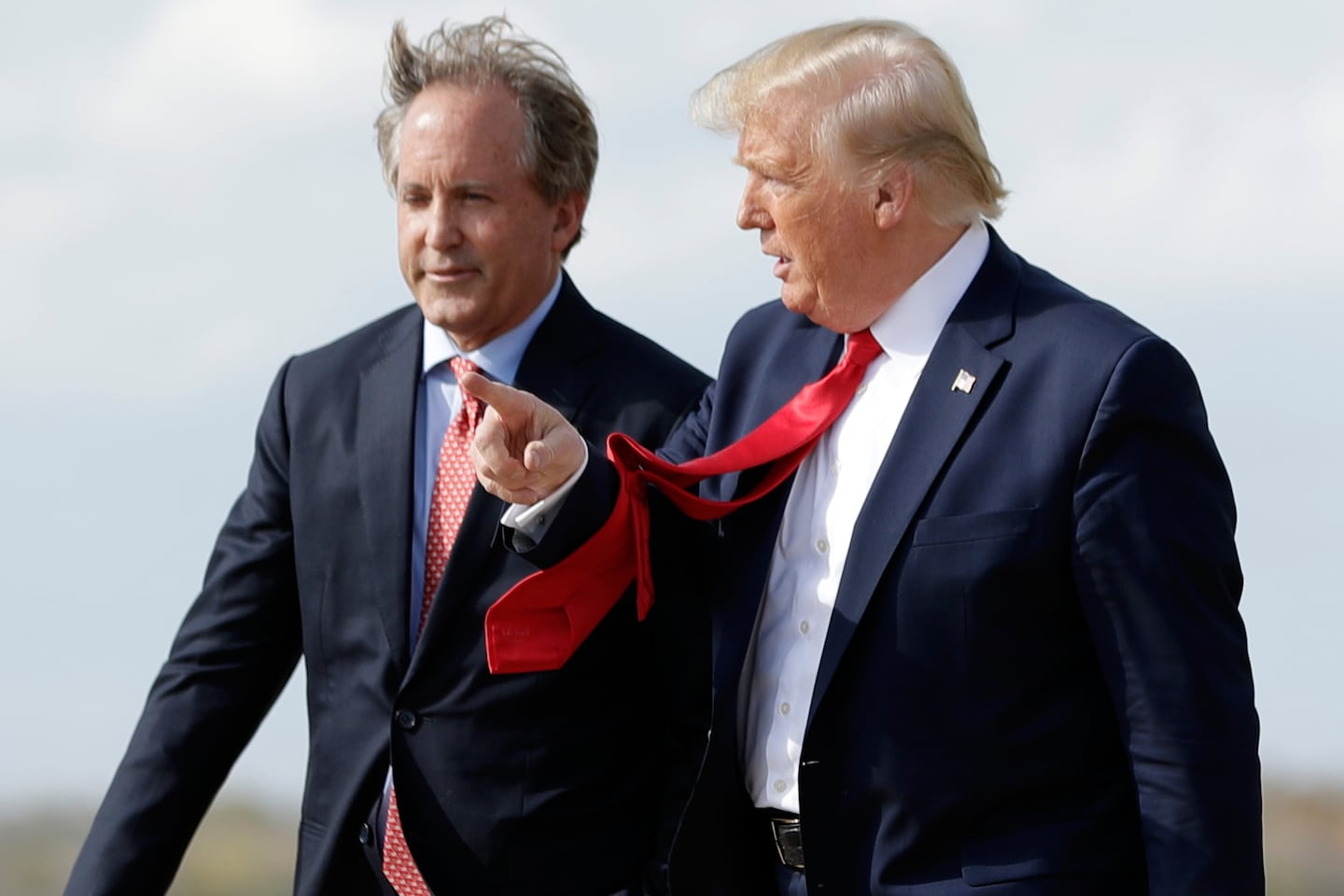
Talarico’s strategy centers on directly confronting Paxton’s scandals while positioning himself as a fresh, untainted alternative. He has challenged Paxton to three televised debates, calling out the attorney general for avoiding public debates for more than a decade. Talarico has also seized on recent revelations about Paxton’s personal finances, questioning his accumulation of at least 15 properties worth roughly $9 million on a government salary.
Most pointedly, Talarico has accused Paxton of voter fraud after investigators found that the attorney general voted in six elections from an address where he no longer appeared to live, despite having spent years aggressively prosecuting voter fraud cases. The irony of Paxton’s situation has not been lost on his challenger, who has suggested that the attorney general should answer questions about his voting practices.
Talarico is investing heavily in turning out Democratic voters who traditionally sit out midterm elections. He has pledged $25 million specifically to mobilize Black voters, an investment far larger than typical for Texas Democratic statewide campaigns. His campaign has also shown strength in small-dollar fundraising, with 51 percent of his contributions coming from individuals who have donated less than $200. As of late July, he had raised more than $31 million compared to Paxton’s $9.3 million.
The Republican candidate, meanwhile, is employing what political analysts describe as a defensive strategy focused on coalition management rather than expansion. Paxton’s team is attempting to rally suburban conservatives and maintain his support among the Trump coalition in South Texas, while also attacking Talarico as an extreme liberal on cultural issues like transgender rights and gun control.
Paxton’s campaign has attempted to downplay or redirect attention from his scandals. After taking office again following his impeachment acquittal, he issued a statement calling the trial “engineered by his political enemies” and declaring himself “fully exonerated.” When recent allegations about his voting record and property ownership surfaced, Paxton briefly held a press conference but ended it abruptly when journalists began asking about the scandals.
For Paxton, the 2026 general election represents a different test than his previous victories. In past contests, he faced Democratic opponents with limited name recognition and resources. Talarico, by contrast, brings national media attention, significant fundraising capabilities, and a message that directly challenges Paxton’s fitness for office. Democrats, sensing genuine opportunity after three decades without a statewide victory in Texas, have invested heavily in the race.
Whether Talarico can finally pierce the protective shell that has surrounded Paxton through nearly a dozen years of legal troubles and personal scandals remains one of the most closely watched questions in American politics heading into November’s election.