

An investigative report released Tuesday has revealed that Old Dominion University was unaware of a student’s prior terrorism conviction before he opened fire on campus in March, killing an ROTC instructor and wounding two others.
The gunman, Mohamed Bailor Jalloh, had spent eight years in federal prison for attempting to provide material support to the Islamic State. He was released from custody in December 2024 and re-enrolled at the university in summer 2025. On March 12, 2026, he entered a classroom, asked if it was an ROTC class, and when students confirmed it was, he opened fire. The report found that Jalloh was neither asked about his criminal history before nor after his readmission to the school in Norfolk, Virginia.
Under Virginia law, public universities are prohibited from inquiring about student criminal histories during the admission process. However, schools are permitted to ask about prior convictions after a student has been accepted for readmission. The report indicated that Old Dominion failed to exercise this option.
The report also found that Jalloh’s federal probation officer did not share his criminal background with the university, despite the serious nature of his terrorism-related offense. Had the university known about Jalloh’s conviction, officials would likely have sought his removal from campus, according to the investigative findings.
Jalloh was convicted in 2016 and sentenced in 2017 to 11 years in prison for attempting to provide material support to ISIS. During the investigation that led to his arrest, he admitted to considering a domestic terrorist attack similar to the 2009 Fort Hood shooting that killed 13 people. He was granted early release in December 2024 after completing a drug treatment program, allowing him to leave prison nearly three years before his sentence was scheduled to end.
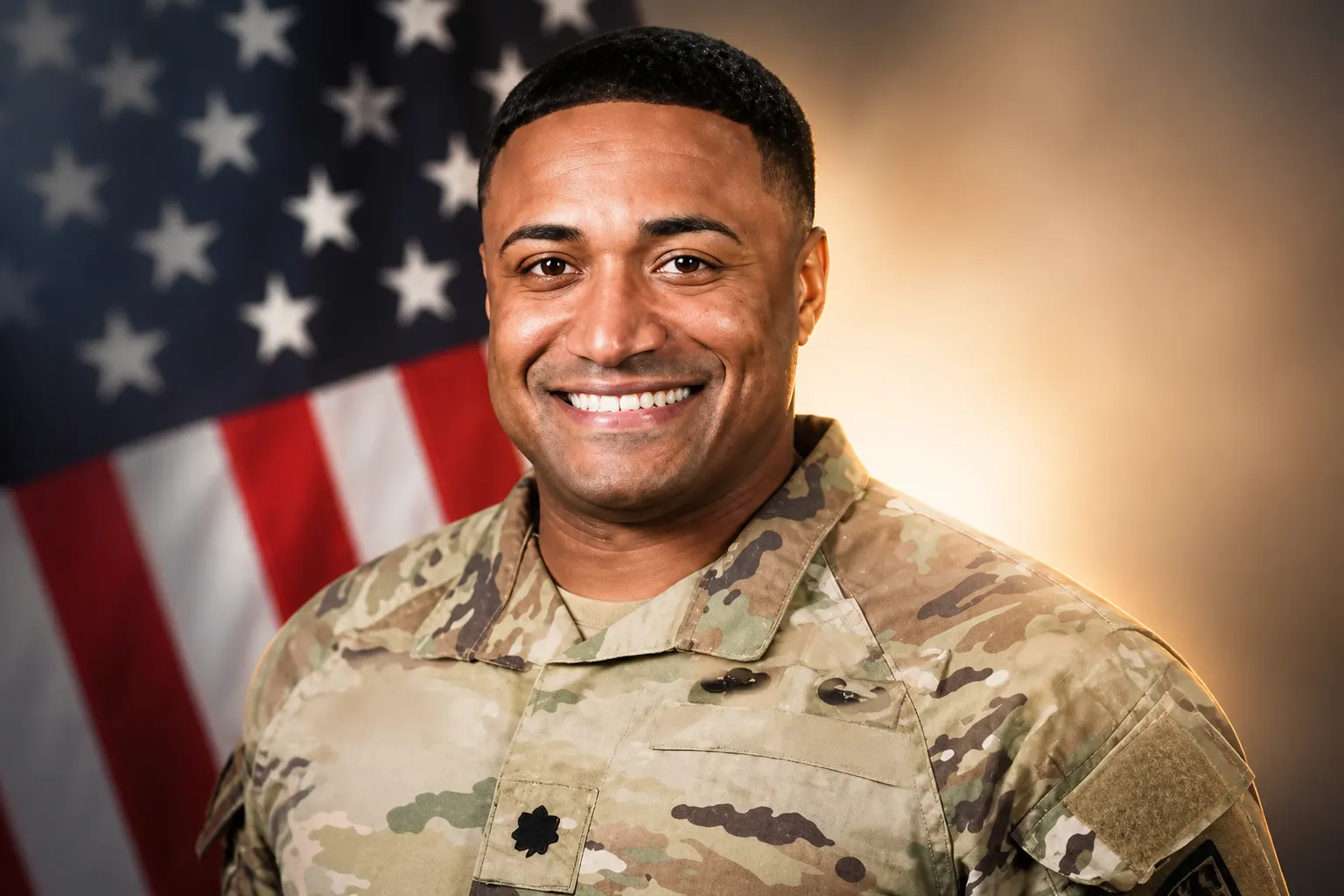
The ROTC instructor killed in the attack was identified as Lieutenant Colonel Brandon Shah, a retired Army officer and professor of military science. Two Army personnel were also injured in the shooting. Brave ROTC students in the classroom subdued Jalloh during the attack, preventing further bloodshed. One cadet stabbed Jalloh, ultimately stopping him from continuing his assault. FBI Director Kash Patel credited the students with saving lives through their heroic actions.
Federal authorities are investigating the shooting as an act of terrorism. Jalloh shouted “Allahu Akbar” before opening fire, according to the FBI. The agency noted that he had previously been a subject of FBI investigation related to his terrorist sympathies.
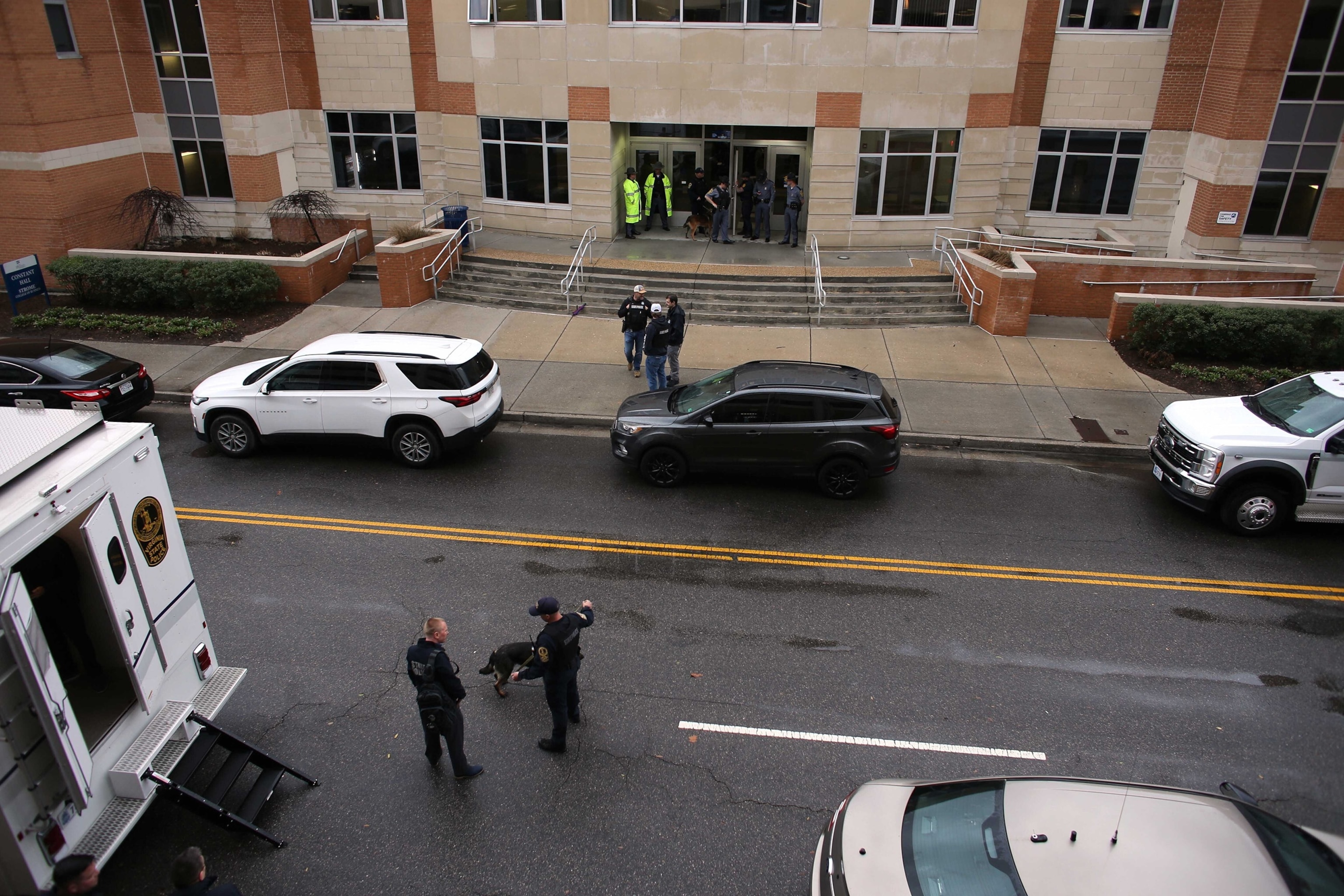
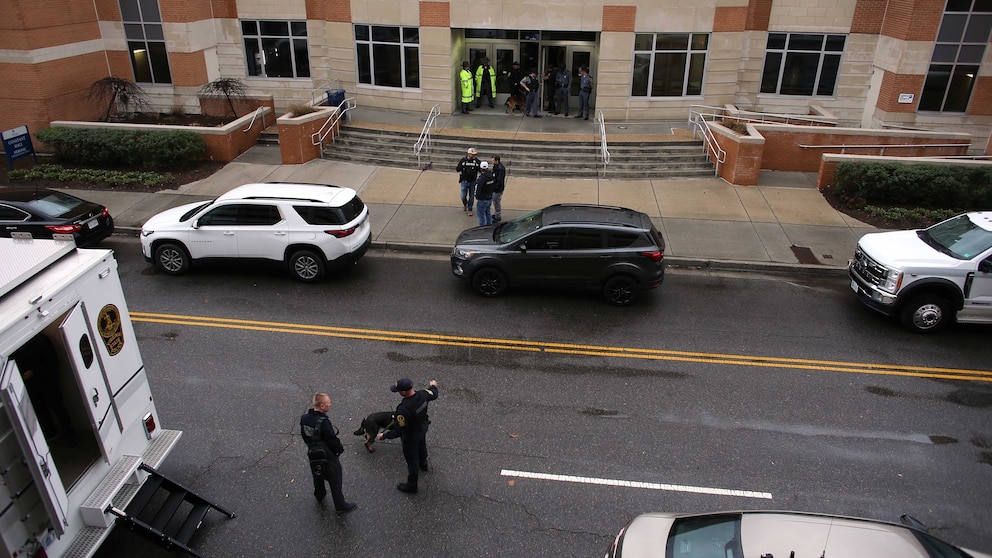
The incident has reignited debate over student background check policies at Virginia’s public universities. Following the shooting, Old Dominion University sent an email to current students asking them to voluntarily disclose any felony convictions or violent misdemeanors. The request was voluntary and non-mandatory, with no automatic disciplinary consequences for those who declined to respond.
University officials acknowledged that Virginia law requires them to rely on student self-disclosure of criminal histories, as they do not have independent access to comprehensive criminal records for enrolled students. A university spokesperson stated that Old Dominion had no prior knowledge of Jalloh’s criminal background.
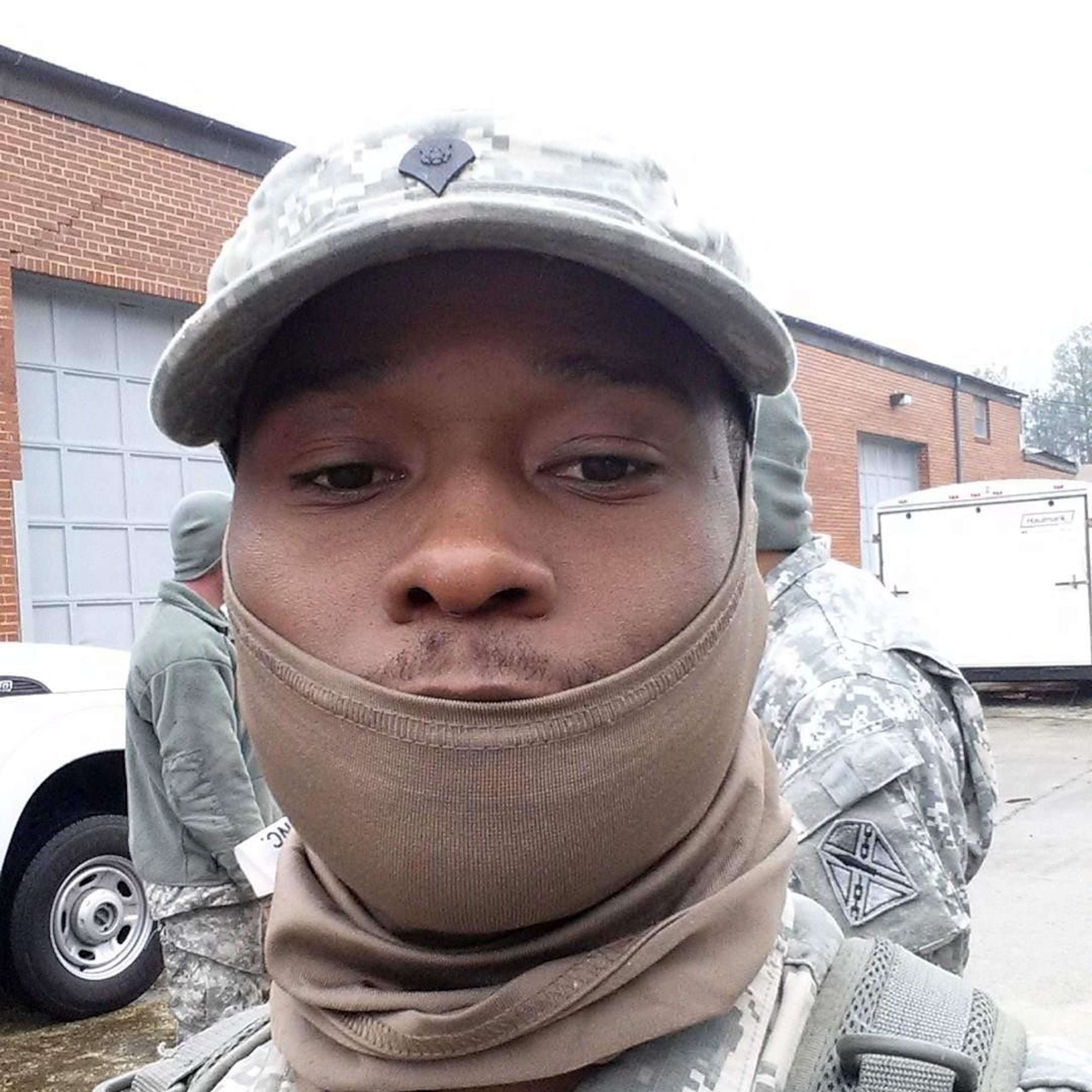
At the time of the attack, Jalloh was on federal probation, known as supervised release, for his terrorism conviction. His probation was scheduled to continue through 2029. A probation officer had visited his Sterling, Virginia home every six months and was last there in November 2025, according to law enforcement records.
In connection with the shooting, a Virginia man was charged with illegally providing Jalloh the firearm used in the attack. According to federal prosecutors, Kenya Chapman sold Jalloh a stolen.22-caliber pistol for $100 just days before the shooting, despite knowing that Jalloh was a convicted felon prohibited from possessing firearms.
Jalloh’s case has drawn renewed scrutiny to federal early release policies for individuals convicted of terrorism-related offenses. Following the shooting, the Federal Bureau of Prisons implemented a new policy change that makes inmates with terrorism-related convictions ineligible for early release under the substance abuse treatment program that freed Jalloh. The change took effect on September 25, 2025, under a Trump-era executive order.