

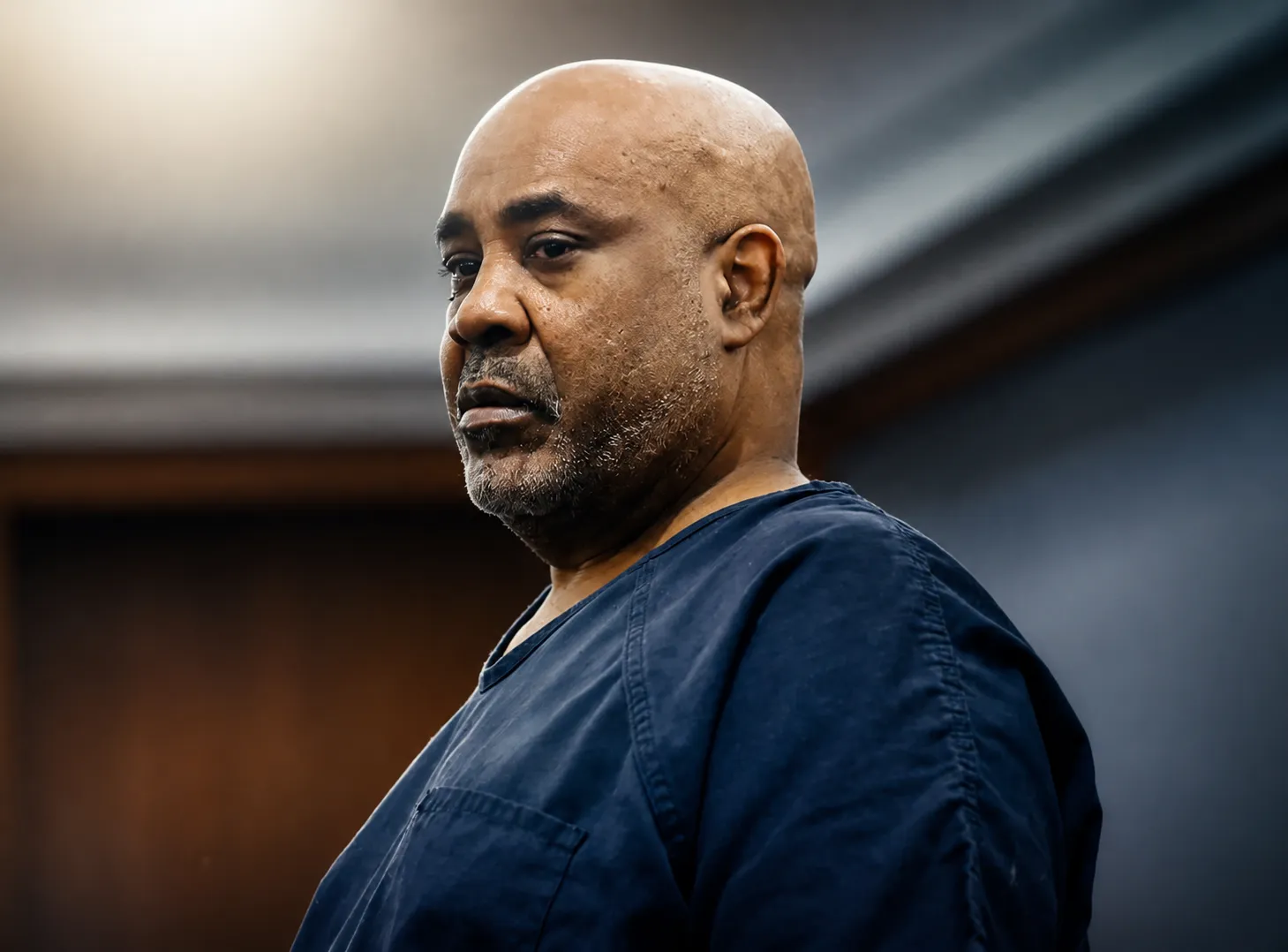
A Nevada judge ruled Tuesday that a police interview recording from 2008 will be admissible as evidence in the upcoming murder trial of Duane “Keffe D” Davis, who is accused of orchestrating the 1996 killing of rapper Tupac Shakur.
Judge Carli Kierny determined that the interview, which Davis gave to law enforcement nearly two decades ago, can be used when the trial begins on August 10. The decision came after the defense team argued the 2008 interview was supposed to be confidential, with detectives allegedly assuring Davis that the statements would not be used against him.
Davis, 63, faces a first-degree murder charge in connection with Shakur’s death on September 7, 1996, in Las Vegas. If convicted, he faces life in prison without parole. Davis has pleaded not guilty and remains incarcerated without bail since his September 2023 arrest.
The case centers on the drive-by shooting that occurred when Shakur and Death Row Records founder Marion “Suge” Knight were sitting at a red light near the Las Vegas Strip. A white Cadillac pulled up alongside their vehicle, and gunfire erupted. Shakur was shot multiple times and died six days later. Knight survived with minor injuries.
The decades-old murder remained unsolved until Davis began making public statements about his alleged involvement. In 2019, he co-wrote a memoir titled “Compton Street Legend,” in which he detailed his time as a gang leader in Southern California and claimed he was in the Cadillac that pulled up beside Shakur’s vehicle and provided the weapon used in the shooting. This book, combined with statements he made in various media interviews, reignited the investigation and led to his arrest nearly 27 years after the crime.
Prosecutors have characterized the 2008 interview as crucial evidence showing Davis confessing to his role in orchestrating the murder. They argued there was no legal basis to exclude the recording from trial, pointing out that Davis had voluntarily made those statements.
Defense attorney Michael Sanft contended that the 2008 interview fell under a confidentiality agreement between Davis and law enforcement. Sanft argued that detectives explicitly told Davis the interview was not supposed to be used as evidence against him. Judge Kierny, however, found that the interview met the legal standards for admissibility despite these claims.
The judge’s ruling also raised questions about a “proffer agreement,” a legal arrangement that typically allows individuals to speak with prosecutors while limiting how that information can be used against them. Sanft suggested Davis believed he had immunity due to such an agreement. Kierny noted she had some concerns about the agreement regarding the 2008 interview but determined the statements were made voluntarily. She indicated that Davis’ attorney could potentially challenge these statements under different legal frameworks later in the proceedings.
Beyond the police interview, the judge has already ruled on other key evidence in the case. In June, Judge Kierny determined that Davis’ memoir “Compton Street Legend” is admissible as evidence, rejecting the defense’s argument that the book was fictionalized to generate sales. The judge found that Davis had adopted the statements in the book as his own.
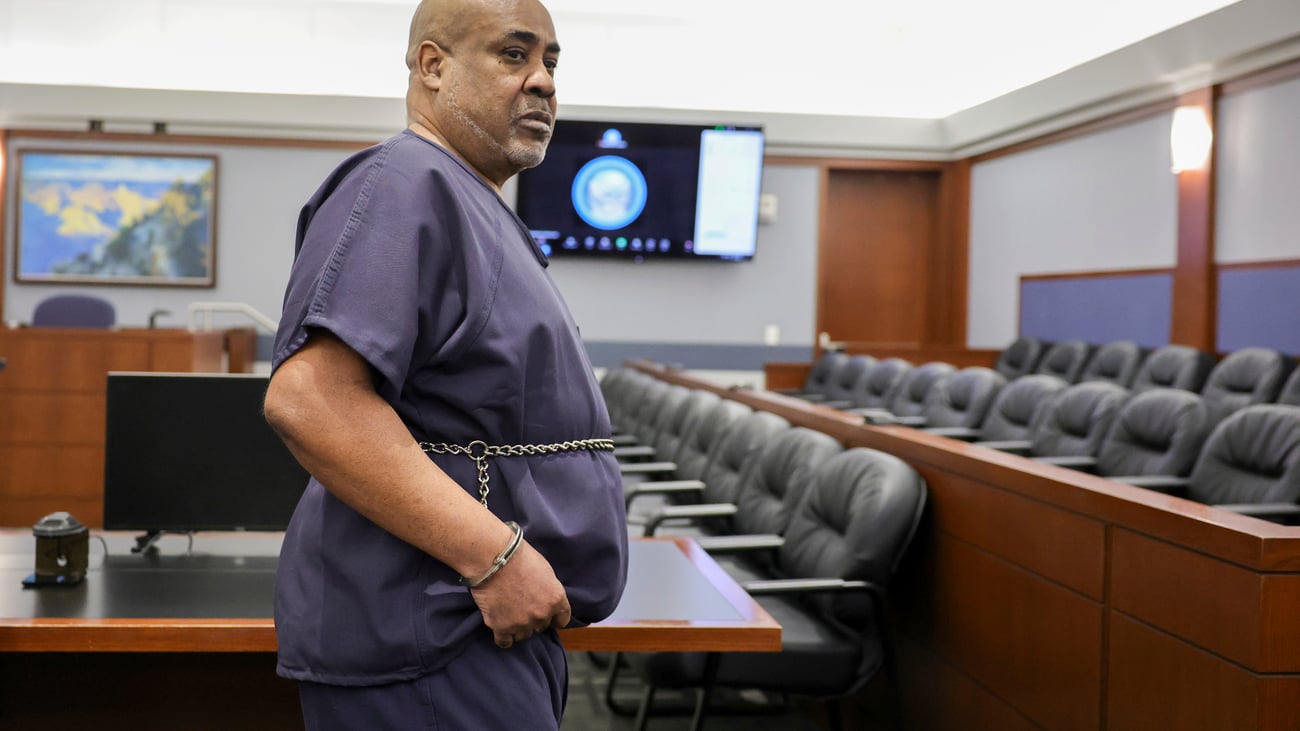
Prosecutors contend that Davis orchestrated Shakur’s murder as retaliation for a physical altercation between the rapper and Davis’ nephew, Orlando “Baby Lane” Anderson, who occurred hours before the shooting at a Las Vegas casino after a Mike Tyson boxing match. Authorities say Anderson, who has since died, was the alleged shooter, while Davis was the “shot caller” who ordered the hit.
The trial is expected to last approximately four weeks. Davis’ defense team has called for partial jury sequestration to shield jurors from the extensive media coverage surrounding the case. While Judge Kierny denied a full sequestration, she agreed that partial measures would be necessary during the trial proceedings.
With jury selection set to begin on August 10, prosecutors are building their case around Davis’ own statements, his published memoir, and accounts from those allegedly present during the planning and execution of the murder. The trial represents a historic moment for one of hip-hop’s most notorious cold cases, finally bringing the suspect before a jury nearly three decades after Shakur’s death.