

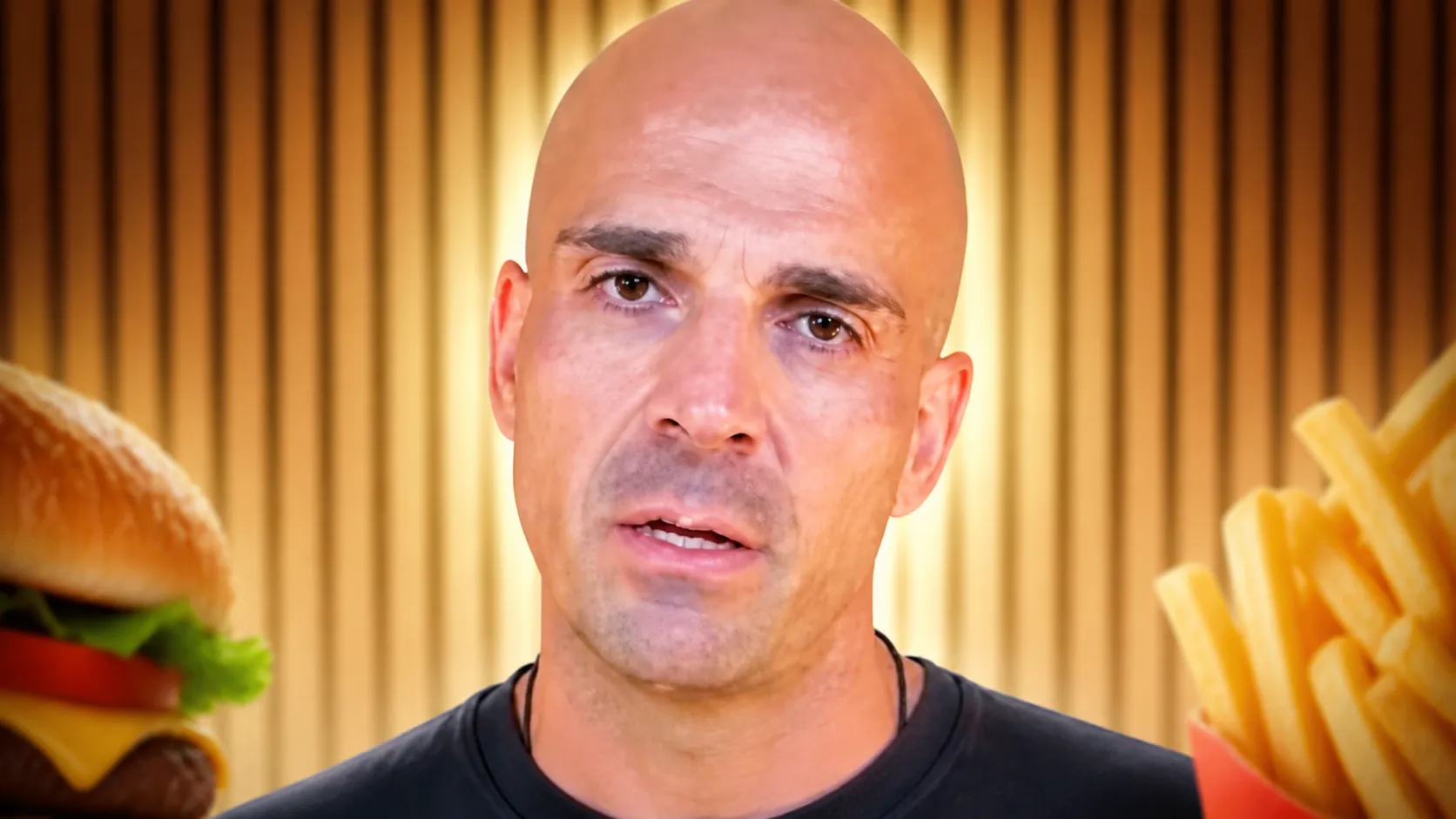
A doctor has issued a warning about the proper way to use GLP-1 weight loss drugs, highlighting a frequent mistake people make with their evening meals while on the medication.
As GLP-1 treatments become more widely used, concerns have also grown around people using them ineffectively. Dr Jones has now shared advice on how to get the safest and most effective results, saying that what you eat — especially later in the day — can make a major difference.
GLP-1 medicines work by helping reduce appetite and slowing how quickly food leaves the stomach, which is one reason many clinicians say meal size, protein intake and hydration can matter as much as calories alone. Common side effects can include nausea, vomiting, constipation and fatigue, so many nutrition experts advise eating slowly, avoiding very large meals and choosing foods that are easier to tolerate.
Speaking on social media, he said some people may be using a GLP-1 consistently without getting the outcome they expect because their evening meal could be working against them. In a YouTube video, he explains that even if someone stays on track throughout the day, dinner choices can still derail progress.
According to Dr Jones, meals like rice bowls, pasta dishes, or stir-fries with sweet sauces may look like sensible options, but they can end up “spiking your insulin right before the single longest fasting window of your entire day”.
He then explains why that timing matters so much during the overnight period.
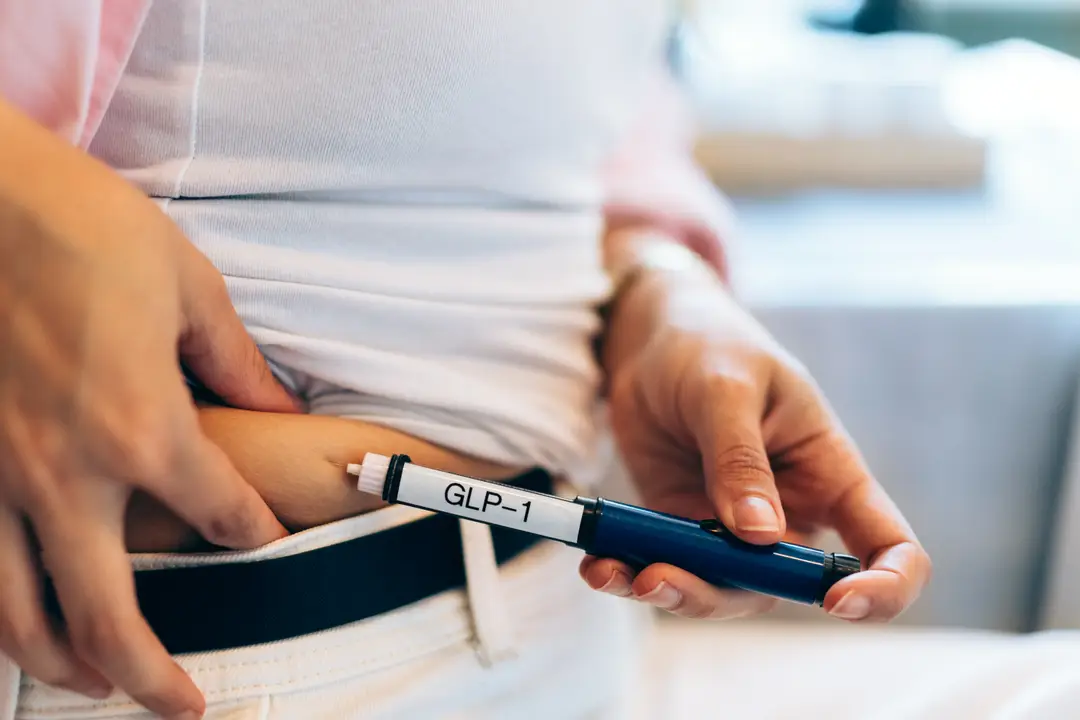
“When you sleep, your body is supposed to shift into fat-burning mode. Your GLP-1 is still circulating, your insulin is supposed to drop, and for seven to eight hours straight your cells should be pulling from stored fat.
“That’s where a huge percentage of your actual results happen, overnight, while you’re doing nothing.”
He says a starchy dinner can interfere with that process. Rather than moving into a state that supports fat use overnight, the body may do the opposite.
Dr Jones reveals it ‘flips the switch’ and you end up ‘walking into sleep in fat-storage mode, your body locking fat away instead of releasing it’.
“Eight hours of fat-burning potentially just gone,” he adds.
To avoid that, he says dinner should be structured differently.
Dr Jones advises: “The fix is what we build every dinner around in our clinic. Protein and fat. Steak, salmon, ground beef with vegetables cooked in butter or avocado oil. No rice, no bread, no pasta.
“Let your medication do its best work while you sleep.”
Nutrition experts say that while some people on GLP-1s do well with lower-carbohydrate evening meals, the bigger priorities are usually getting enough protein, eating in a way that feels comfortable, and maintaining adequate fluids. Because these medications can make people eat less overall, it can be easy to miss key nutrients if meals become too small or too restrictive.
He also said:
“Total calorie intake still drives weight loss on a GLP-1. What most people underestimate is how much the timing and composition of that last meal shapes the rest of the process. A controlled crossover trial published in Cell Metabolism in 2022 found that eating late increased hunger, lowered daytime energy expenditure, and shifted gene expression in fat tissue toward storage.
“In our clinic we build dinner around protein and fat because it holds patients full through the evening, protects lean mass during rapid weight loss, and makes the next day’s intake easier to control. On these medications, adherence is the whole game.”
Doctors also commonly remind patients to speak with their prescriber before making major diet changes, especially if they have diabetes, reflux, constipation or a history of stomach-emptying problems. In some people, eating too much at once or choosing rich, heavy foods can worsen nausea, while smaller, more balanced meals may be easier to tolerate.