

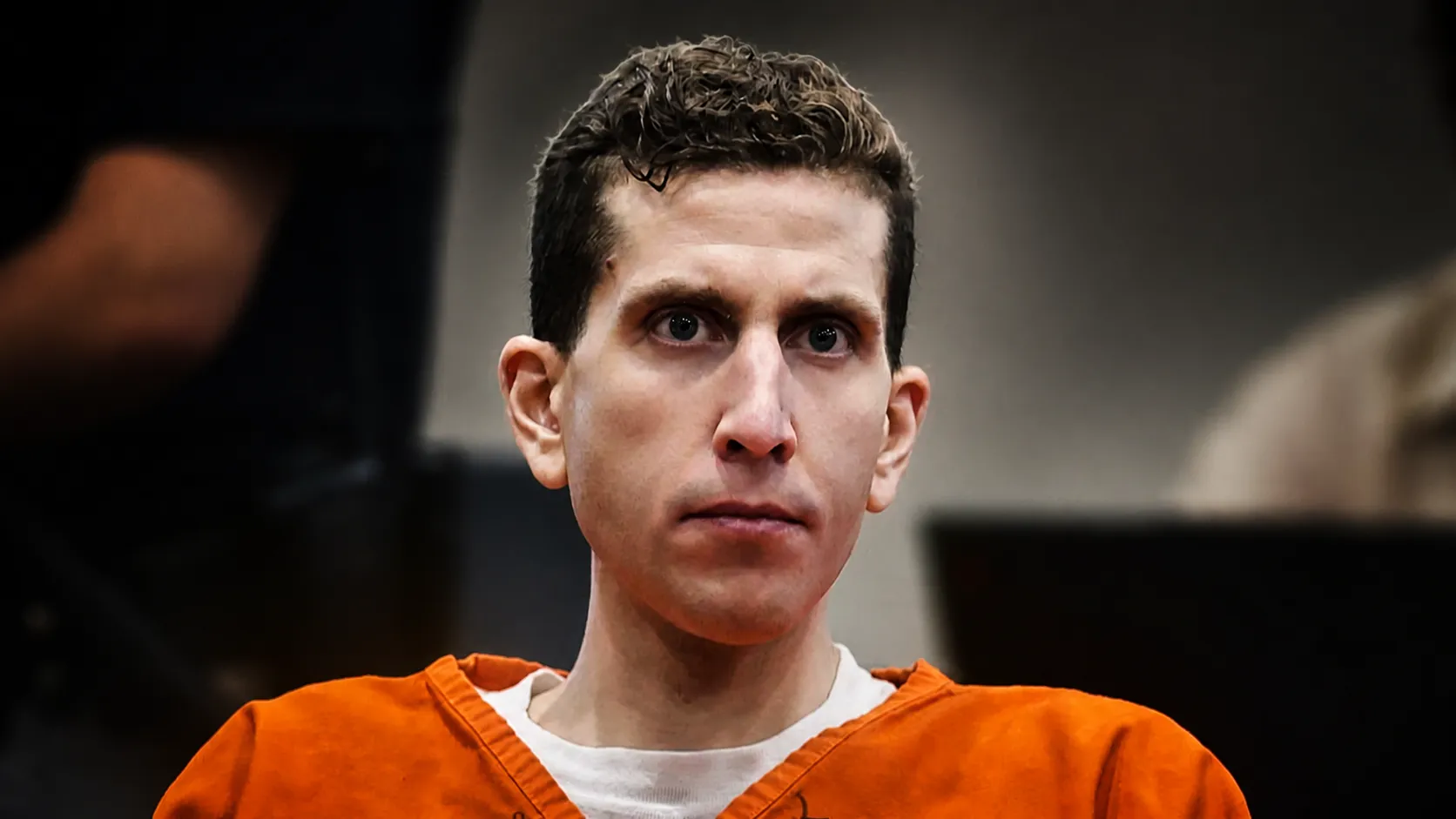
A newly released Netflix documentary claims investigators were not warned before the University of Idaho issued a campus-wide alert confirming a homicide in the 2022 student murders case, while the surviving roommates were reportedly still waiting to learn for certain what had happened to their friends.
Idaho Murders: College Nightmare, a three-part series released on July 29, revisits the killings and the case against Bryan Kohberger, who pleaded guilty in connection with the November 2022 murders of four University of Idaho students.
Kohberger has since tried to reverse that plea and, on Monday, July 27, 2026, submitted paperwork asking for a new trial, arguing that he entered the plea because of poor legal guidance.
Prosecutors alleged that Kohberger killed Kaylee Goncalves, 21, Madison Mogen, 21, Xana Kernodle, 20, and Kernodle’s boyfriend Ethan Chapin, 20, during the early hours of November 13, 2022.
Two other housemates, Dylan Mortensen and Bethany Funke, were also inside the home that night and survived.
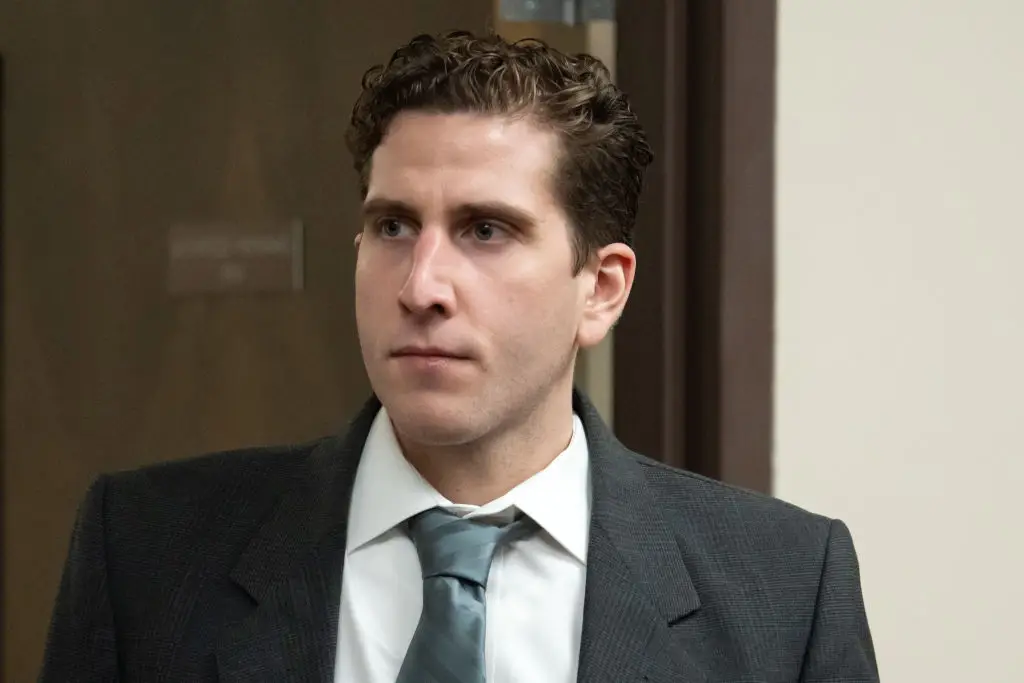
One of the most striking moments in the documentary shows the surviving students confronting police outside the King Road home after learning through a university text alert that their friends had been killed.
Several students, whose faces are blurred in the program, are heard speaking with an officer at the scene. One says: “So f**ked up… you could have told us that happened before they sent a text.”
The officer responds that he has no idea what they’re referring to.
The student replies: “They sent a text to the entire university before even telling us what happened. Obviously we know but it’d be nice to have a confirmation.”
The documentary then displays the campus alert sent that day, which read: “VANDAL ALERT: Moscow PD is investigating a homicide on King Rd near campus. Suspect is not known at this time. Stay away from the area and shelter in place.”
In the series, University of Idaho Dean of Students Blaine Eckles says he received a call from Moscow police telling him four bodies had been discovered and were believed to be students. “I was just flabbergasted,” Eckles said.
“All kinds of questions go through your mind – how, who, why, what happened?”
Moscow Police Department Chief Anthony Dahlinger also recalls how quickly the area outside the house became disorderly once the university message was sent, as neighbours and other students came outside while news spread.
According to Dahlinger, the university alert went out without consultation with investigators, even though officers were still trying to formally identify the victims and contact their relatives.
‘We didn’t get a heads up that they were going to put out the alert’, Dahlinger said, adding that police ‘had to identify the victims and start working diligently to get ahold of their next of kin’ before the university’s message caused that information to begin circulating ahead of schedule.
The documentary also examines Kohberger’s personal history, including online searches investigators say he made before his arrest, such as ‘psychopaths paranoia’ and ‘serial killer’. It also features people who knew him discussing his past heroin addiction.
At the time of his arrest in December 2022, Kohberger was a criminology doctoral student at Washington State University. He later pleaded guilty to the murders in July 2025, but this week submitted paperwork asking to withdraw that plea.
He is now serving four life terms one after another.
Here is a revised timeline of the case:
Xana Kernodle, 20, and Ethan Chapin, 20, attend a party at Chapin’s fraternity Sigma Chi. Meanwhile, Kaylee Goncalves, 21, and Madison Mogen, 21, go to sports bar the Corner Club.
1.45am – Kernodle and Chapin return to the King Road house.
1.56am – Goncalves and Mogen get back home.
2.44am – A CCTV camera at Washington State University picks up Kohberger’s Hyundai sedan. A short time later, the same vehicle is seen travelling toward the road linking Pullman, Washington, and Moscow, Idaho.
4am – Investigators believe Bryan Kohberger entered the residence.
4.17am – Footage from a security camera captures the sound of a dog barking, voices and an apparent thud. Around this period, Dylan Mortensen wakes up and hears a man say: “It’s OK, Kaylee, I’m here for you.” She later hears crying and sees a masked man inside the home.
4.19am – Mortensen tries calling Kernodle, Goncalves and Mogen, but no one answers. She then texts Bethany Funke saying she’s ‘freaking out’ after seeing a man in a ‘ski mask’. Mortensen goes into Funke’s room and they lock the door.
11.58am – After Mortensen contacts her friend Emily Alandt, Alandt and her boyfriend Hunter Johnson come to the property. Johnson finds the bodies of Chapin and Kernodle and places the 911 call.
Initial autopsy findings show all four victims were stabbed with a large knife.
Police announce they want to speak with anyone connected to a white 2011-13 Hyundai Elantra.
Kohberger is later arrested in Pennsylvania and charged with four counts of first-degree murder and burglary. Investigators say DNA from a knife sheath tied him to the scene, while phone and vehicle data helped trace his movements.
At arraignment, Kohberger does not enter a plea, so the judge records a not guilty plea on his behalf.
Prosecutors later confirm they will pursue the death penalty.
The King Road house is eventually demolished, with officials saying the move would help the community heal.
In court filings, Kohberger’s lawyers argue that phone tower evidence places him miles from Moscow at the time of the killings.
His defence team also says he shows traits associated with autism spectrum disorder and argues that executing him would be unconstitutional.
Just weeks before trial, Kohberger pleads guilty to burglary and four counts of first-degree murder.
He is sentenced to four consecutive life sentences, along with an additional 10 years for burglary.
During sentencing, he faces the victims’ families for the first time as they deliver impact statements.
Goncalves’ sister Alivea tells him that if her sister hadn’t been sleeping when he attacked, ‘Kaylee would’ve kicked your f**king a**’.
Mortensen also addresses him, saying she has endured severe panic attacks since that night and that he took away her ‘ability to trust the world’.
Kohberger later says he wants to undo his guilty plea and challenge the conviction.
He said: “My actual innocence is my truth, and the plea, hinged on by false promises and blatant disinformation, MUST be withdrawn.”