

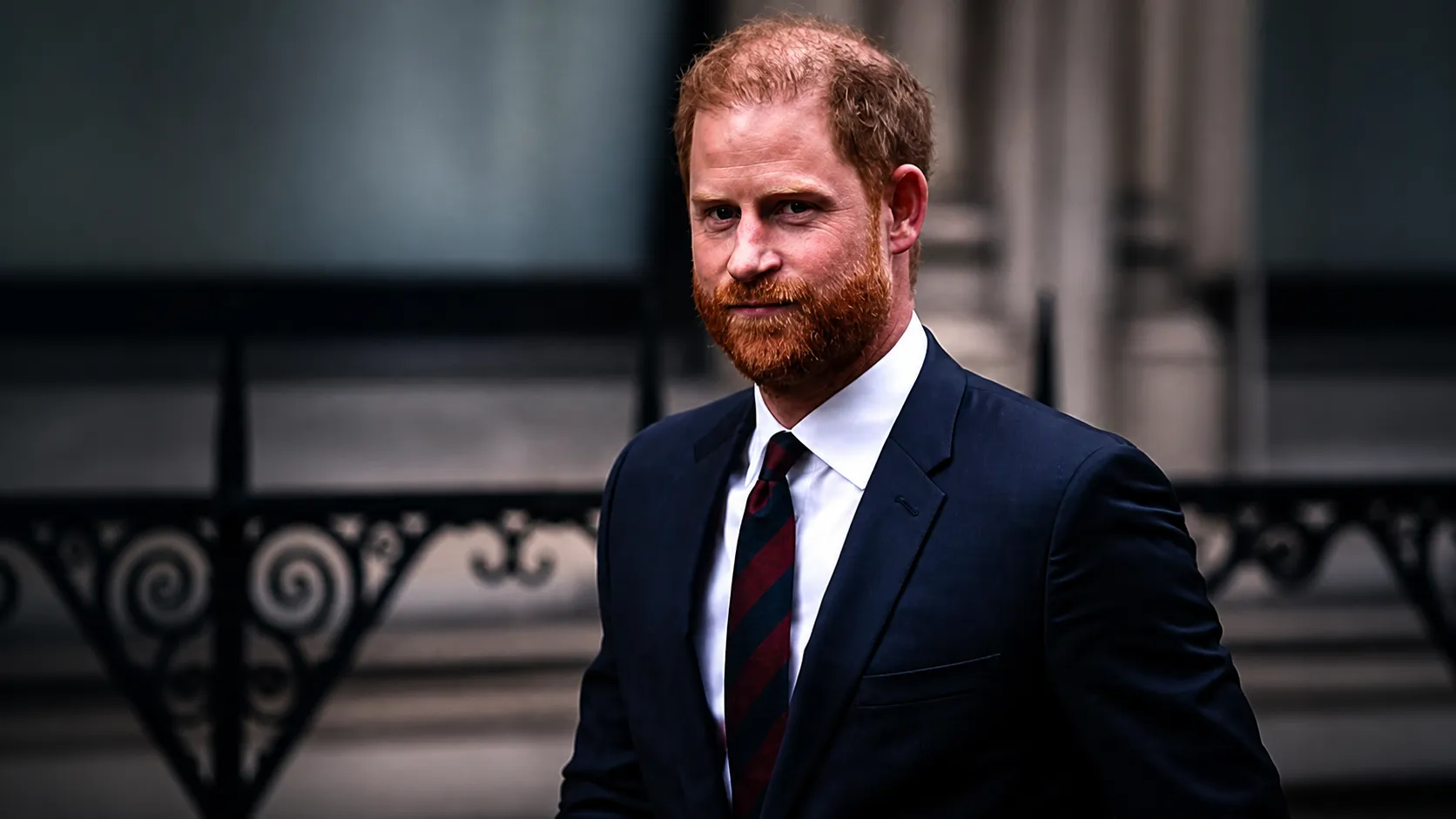
Associated Newspapers sought an interim payment of $13.3 million from Prince Harry and other claimants who lost their privacy lawsuits against the outlet.
Prince Harry, 41, and six others including singer Elton John, 79, and actor Elizabeth Hurley lost their privacy lawsuits against Associated Newspapers on July 7 after a High Court judge rejected allegations that Mail titles engaged in unlawful activities, including phone hacking.
The civil case against Associated Newspapers Ltd. Saw the High Court judge on Tuesday rule against the Duke of Sussex and six other claimants, including Elton John and husband David Furnish, actors Elizabeth Hurley and Sadie Frost.
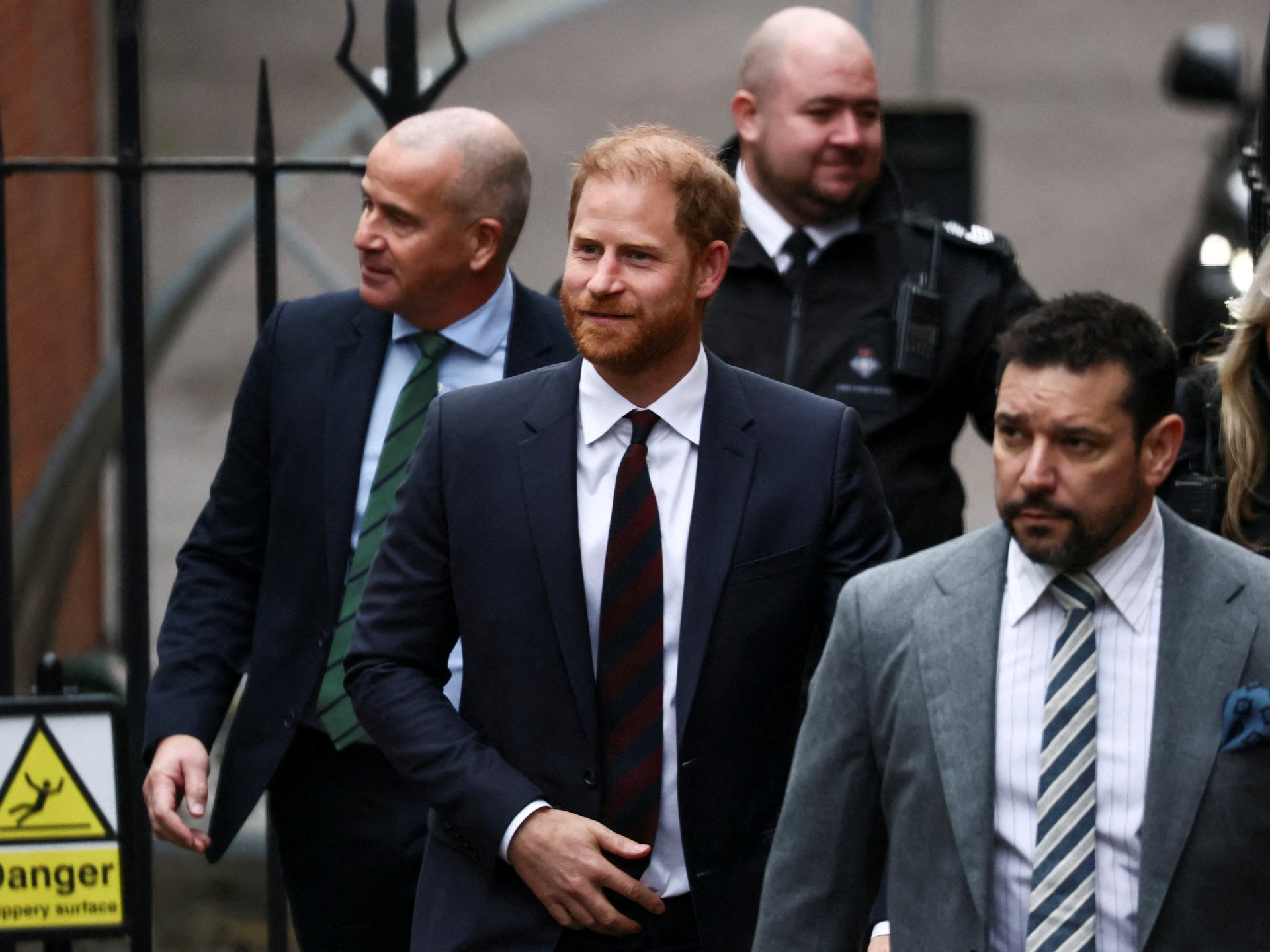
The lawsuit was filed by Prince Harry, Sir Elton John, Baroness Doreen Lawrence, David Furnish, Elizabeth Hurley, Sadie Frost and Simon Hughes against Associated Newspapers Limited.
The group alleged that journalists, private investigators and others working for or on behalf of ANL used unlawful methods—including voicemail interception, landline tapping, obtaining confidential information through deception known as “blagging”, and hiring private investigators—to gather personal information for newspaper articles.
Now at a costs hearing.
On Wednesday, the High Court in London began hearing an argument between the two sides over how much of the Mail’s costs the claimants should have to pay.
Claimants offered an interim payment of $10.6 million and confirmed insurance cover of up to $21.3 million.
The court heard that Associated had incurred a legal bill of £34.5 million ($45.8 million), while Harry and other claimants only have an insurance policy which covers £16 million.
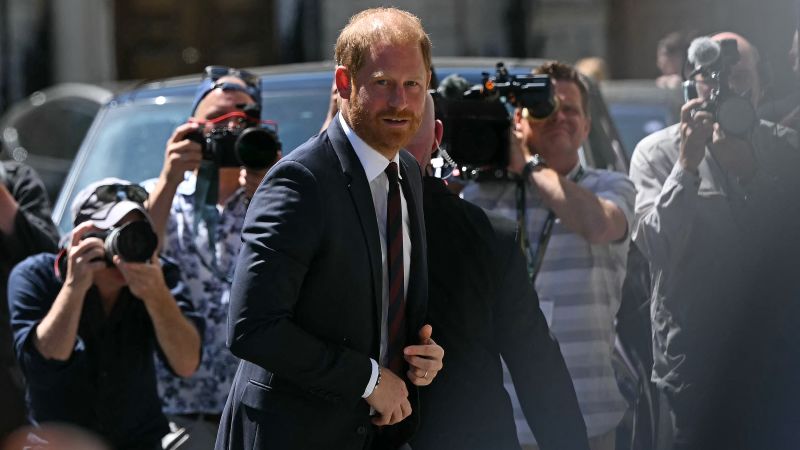
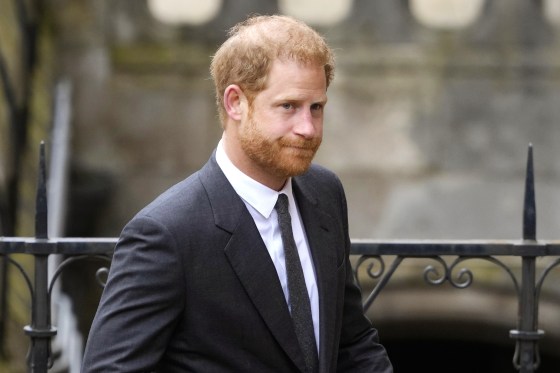
After the July ruling, Harry responded sharply.
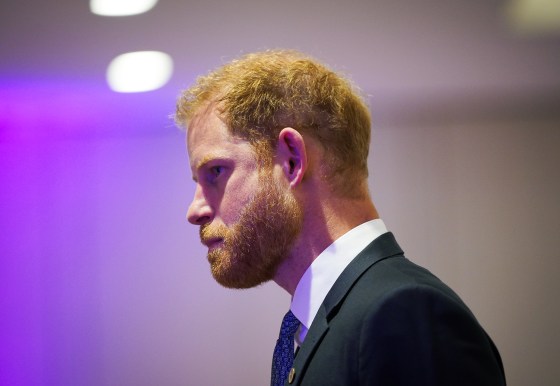
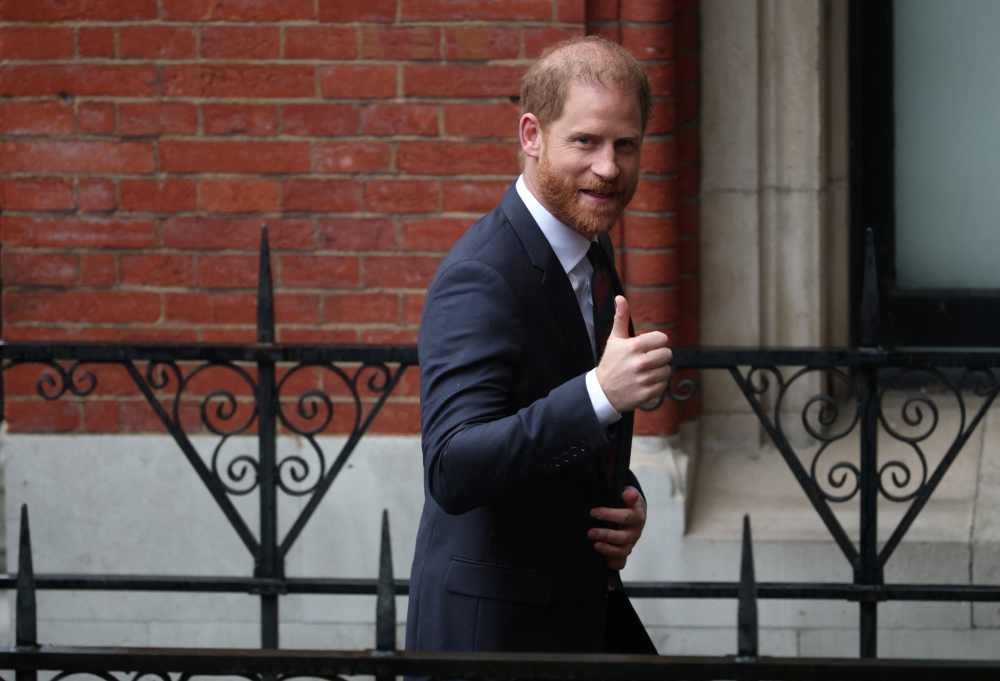
In a statement, Prince Harry attacked the ruling as a “whitewash,” He said: “We came to court seeking justice and accountability. But we have received neither.”
“It is a complete and obvious whitewash, but sadly not altogether unexpected. However, the lengths to which the court has gone to exonerate the Mail is as shocking as it is totally unwarranted.”
Harry continued: “When the court says there is not sufficient evidence of wrongdoing, despite the documents showing otherwise, then one does wonder how justice was ever going to be achieved.”
The judge had a different view.
The judge, Matthew Nicklin, said in a summary of his ruling that the claimants’ allegations were serious but suspicion was not enough.
“The court rejected the argument that, simply because information was private, and because Associated could not positively explain how it had been sourced, the relevant article must have been unlawfully sourced,” he wrote.
Associated Newspapers celebrated the verdict.
“This is a magnificent vindication of the outlet’s journalism,” a spokesperson for the publisher said. “As the judgment clearly shows, every single article was legitimately sourced.”
The publisher added that “we will look to resolve outstanding issues, including the recovery of the costs we have incurred while defending ourselves against this egregious litigation.”
Harry’s co-claimants shared his frustration.
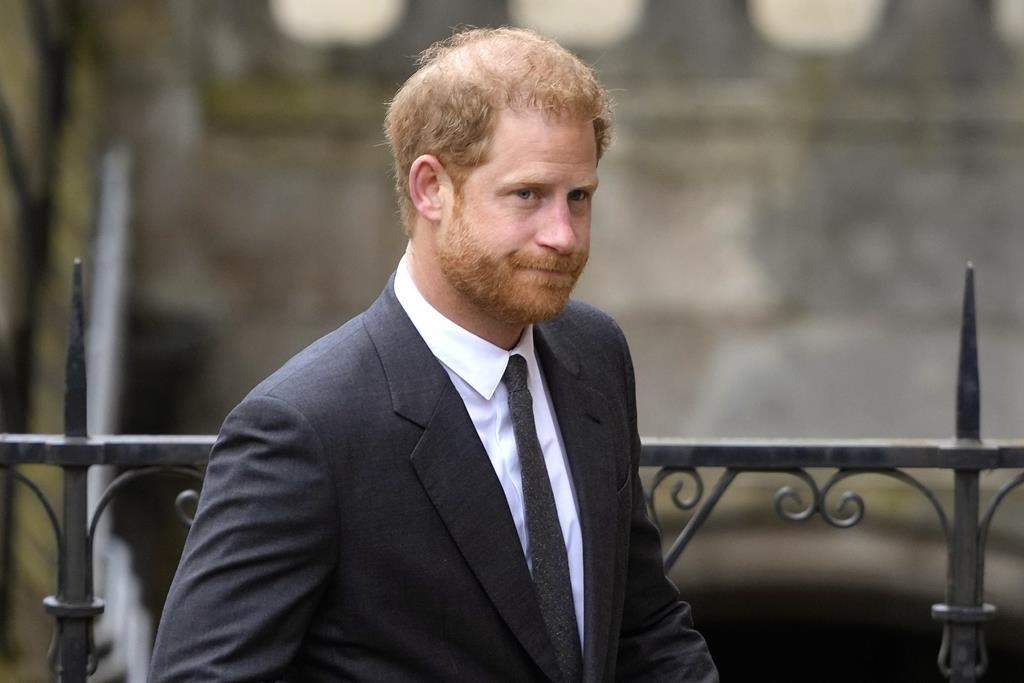
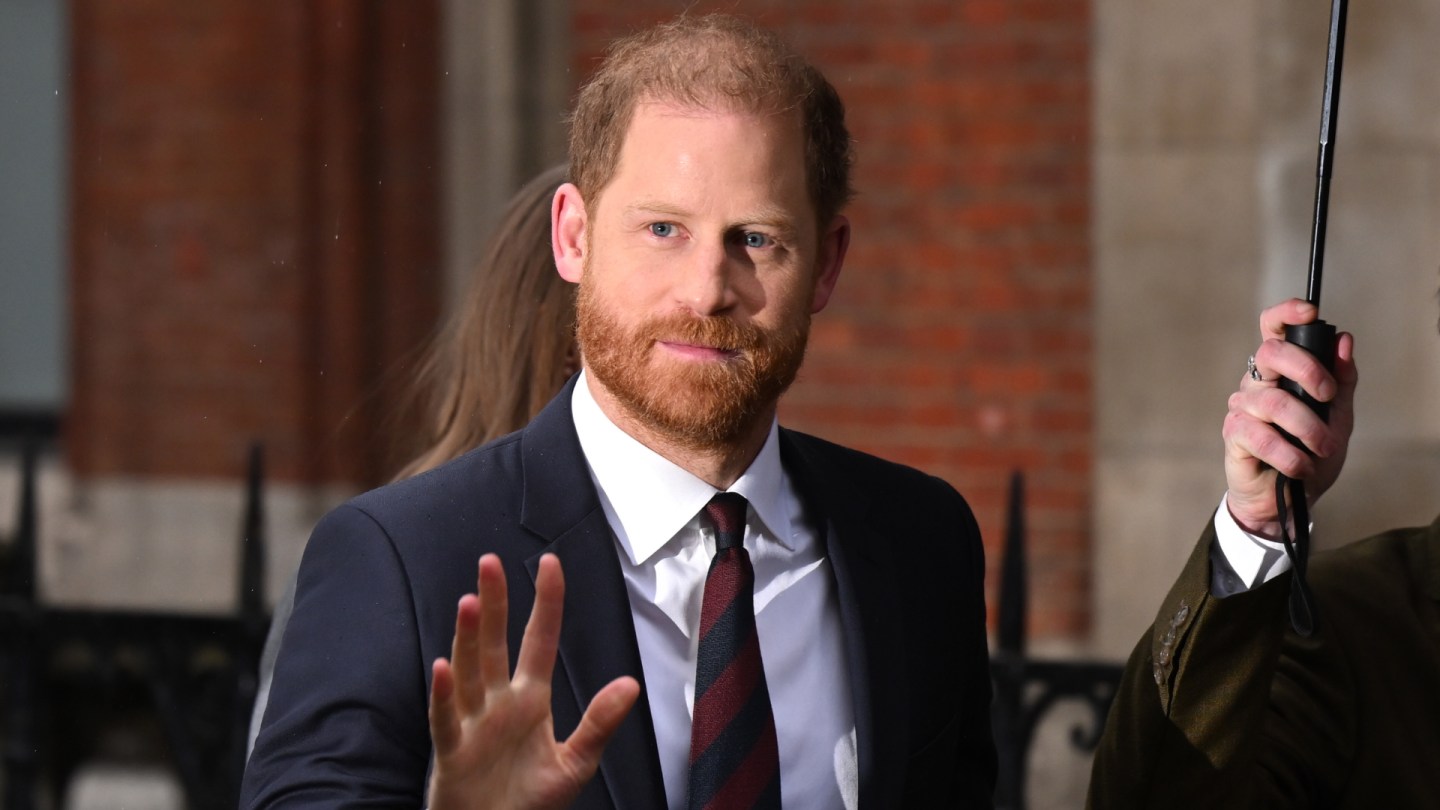
In their statement, the claimants said: “While the Claimants presented evidence, Mail journalists simply gave denials, and the Court chose uncritically to believe them.”
The claimants said: “We presented to the Court evidence which we believed was compelling at the time and remains so now. We would like to thank our legal team for all their hard work and all the witnesses who were brave enough to come forward in the pursuit of justice.”
The claimants brought together some of Britain’s most prominent figures against a major media publisher.
The case focused on 97 published articles that the claimants said relied on illegally obtained information.
They alleged dozens of stories about them published by Associated Newspapers in the outlet and the Mail on Sunday from the 1990s to 2011 were based on information that had been obtained unlawfully.
After an 11-week trial, the UK High Court dismissed all of the claimants’ claims, ruling that there was insufficient evidence to prove the articles had been sourced through unlawful means.
Harry testified emotionally during the trial.
The former working royal held back tears when he gave testimony at the High Court in January, the first royal to do so in 130 years, and accused the outlet of making the life of his wife, Meghan, “an absolute misery”.
“I think it is fundamentally wrong to have to put all of us through this again when all we were asking for is an apology and some accountability,” he said.
Harry won his case against Mirror Group in 2023, and last year settled his lawsuit against Rupert Murdoch’s British newspaper arm News Group Newspapers, accepting an apology and damages for privacy breaches against him and his late mother, Princess Diana.
The costs hearing is scheduled to continue through July 30.