


Michael Strahan has addressed criticism aimed at him following his interview with former NFL star Chris Johnson.
Johnson spoke with Strahan on June 29 to share a deeply personal update about his health.
During his appearance on Good Morning America, the former Tennessee Titans running back revealed that he was diagnosed with amyotrophic lateral sclerosis (ALS) last year at age 39. ALS is a progressive neurodegenerative disease that affects nerve cells in the brain and spinal cord, gradually taking away a person’s ability to move, speak, swallow and breathe. There is currently no known cure, though some treatments may help slow progression and ease symptoms.
Speaking about how the condition has affected him, Johnson told Strahan:
“I want people to know that I’m still me. ALS has changed what my body can do, but it hasn’t changed who I am.”
While the interview centered on Johnson’s diagnosis, his loved ones and his future, some viewers took issue with the way Strahan handled the conversation, arguing he should have pressed harder on the possible connection between football and ALS.

On July 28, Strahan appeared on The Dan Patrick Show and responded to the backlash, explaining why he chose not to take the interview in a different direction.
Discussing the reaction, he said:
“Well, I had that — I actually thought about that, because I saw what every[one said], ‘Well you should have asked this, you should have asked that,’ ” the 54-year-old said.
He then pushed back on those comments, saying:
“Well, you should have got the interview. How about that? That’s one thing.”
Strahan made it clear that the segment was always meant to give Johnson space to tell his own story.
“Two,” Strahan continued. “Two, that was Chris’s moment for Chris to share the story which Chris wanted to share. And when I got the call that Chris wanted to share that he has, you know, ALS, that was the story. It wasn’t for me to try to grandstand, which — I hate when people do this, Dan.”
He also said:
“As an interviewer, our job is [to] deliver information. I’m not trying to get a bigger name for myself by putting somebody else in an uncomfortable position. I was there as a service to Chris, for what Chris wanted people to understand and know about his life and where he was now. I was not there to make a story about myself or to get a big headline — that’s what it wasn’t about. The headlines were about Chris, where they needed to be.”
Strahan added that he did raise questions around football and the support Johnson has received from the NFL, an issue that often comes up in discussions about ALS.
“I did ask Chris about football, how the NFL has been supportive and all those things,” Strahan went on to say, which is a subject that has been linked to developing ALS.
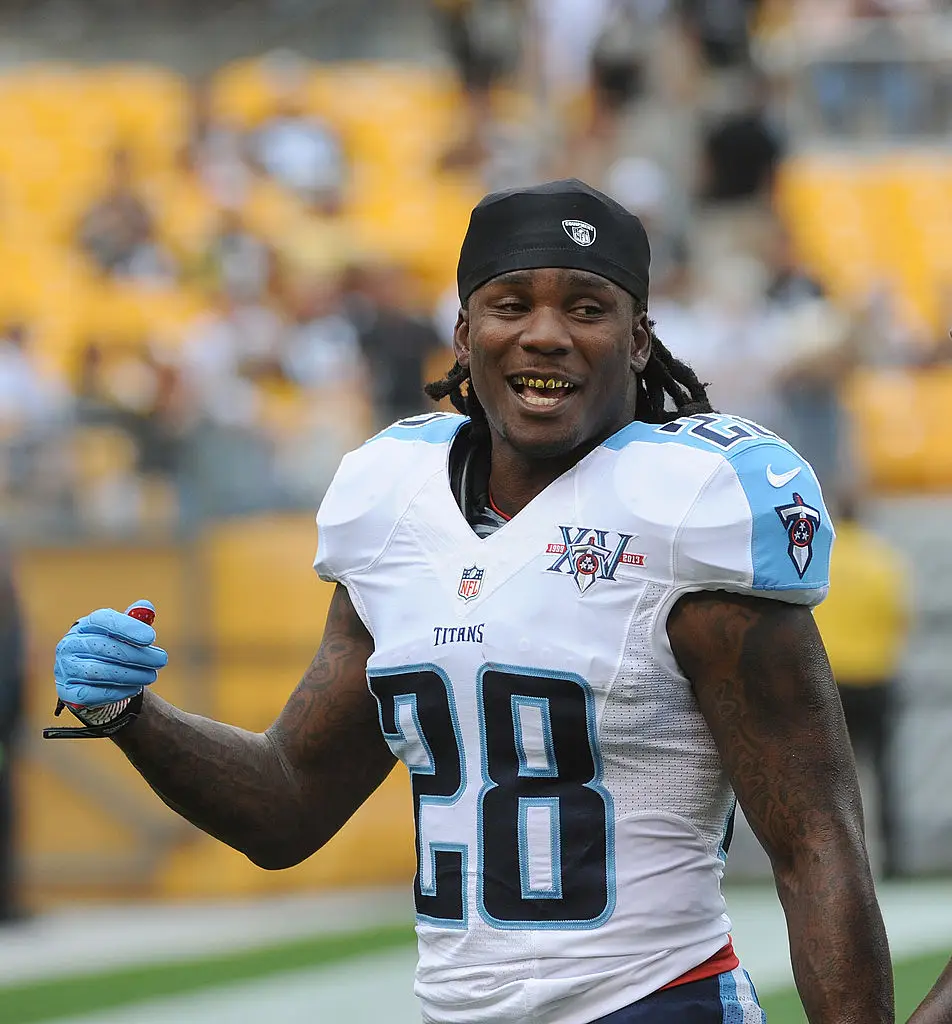
Research from Boston University has found that NFL players had lower overall mortality than the general population, but significantly higher rates of neurodegenerative disease deaths, including ALS, dementia and Parkinson’s disease. The study added to a growing body of research examining the long-term health effects of repeated head impacts in football.
Strahan said there were also personal factors behind what he chose not to focus on during the interview.
“He has twin boys who play football right now. So there are so many things that people don’t know but a few were critical of, but overall I’m very proud of what we did there at ABC in bringing that story.”
He concluded by stressing again that the interview was never supposed to be about him.
“Because that was Chris’s story to tell. The headline’s about Chris Johnson, not about Michael Strahan. I don’t make any of these things about myself. And that was the disappointing thing for a few people who were critical of that. But if you don’t have critics that means you’re not doing a good job, too,” he concluded.