

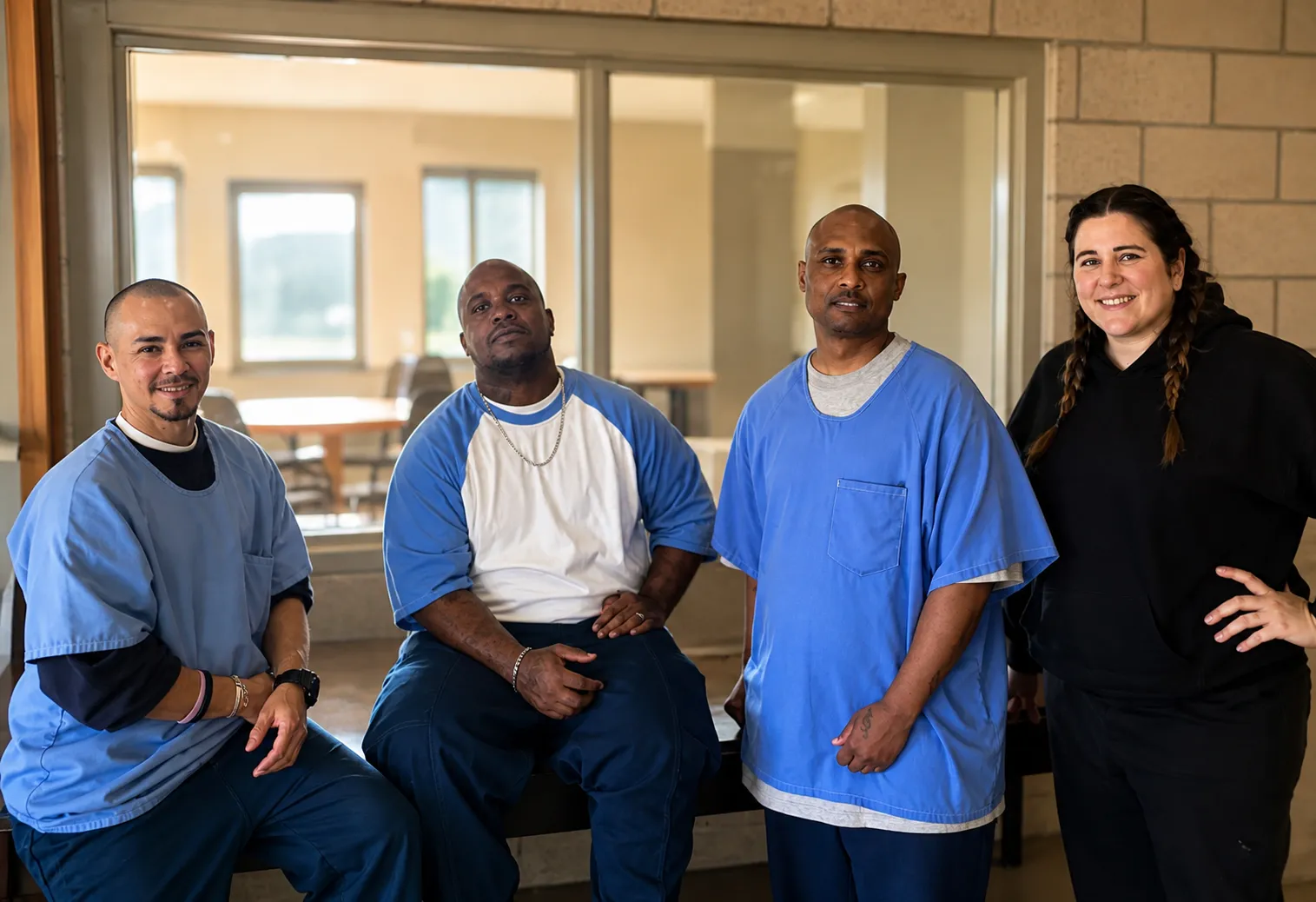
A federal judge appeared skeptical of the Trump administration’s defense during a Wednesday hearing in Washington as attorneys for transgender women incarcerated in a Texas prison argued that their clients were being illegally segregated despite a prior court order requiring them to be housed in women’s facilities.
The case has put the judge in a difficult position, caught between two competing court orders issued by Reagan appointees. In June, U.S. District Judge Royce Lamberth issued a preliminary injunction requiring that the plaintiffs be housed in women’s prisons or women’s halfway houses. But Justice Department attorneys argued they were not violating that order by moving the women into a segregated unit at Federal Medical Center-Carswell in Fort Worth, Texas, contending the order only barred transfers to men’s prisons, not segregation within a women’s facility.
The judge appeared unconvinced. “You’re violating my order, aren’t you?” Lamberth asked during the hearing. When Justice Department attorney Jared Littman disagreed, Lamberth suggested the government had violated his order “on its face” by segregating the inmates and depriving them of all their former privileges.
Ten transgender women are currently held in the segregated unit at FMC Carswell, eight of whom are plaintiffs in the ongoing lawsuit challenging President Donald Trump’s executive order from January 2025. That order directed the federal Bureau of Prisons to house inmates based on their biological sex and to cease providing gender-affirming care, drawing criticism from civil rights advocates and legal experts who argue it violates constitutional protections.
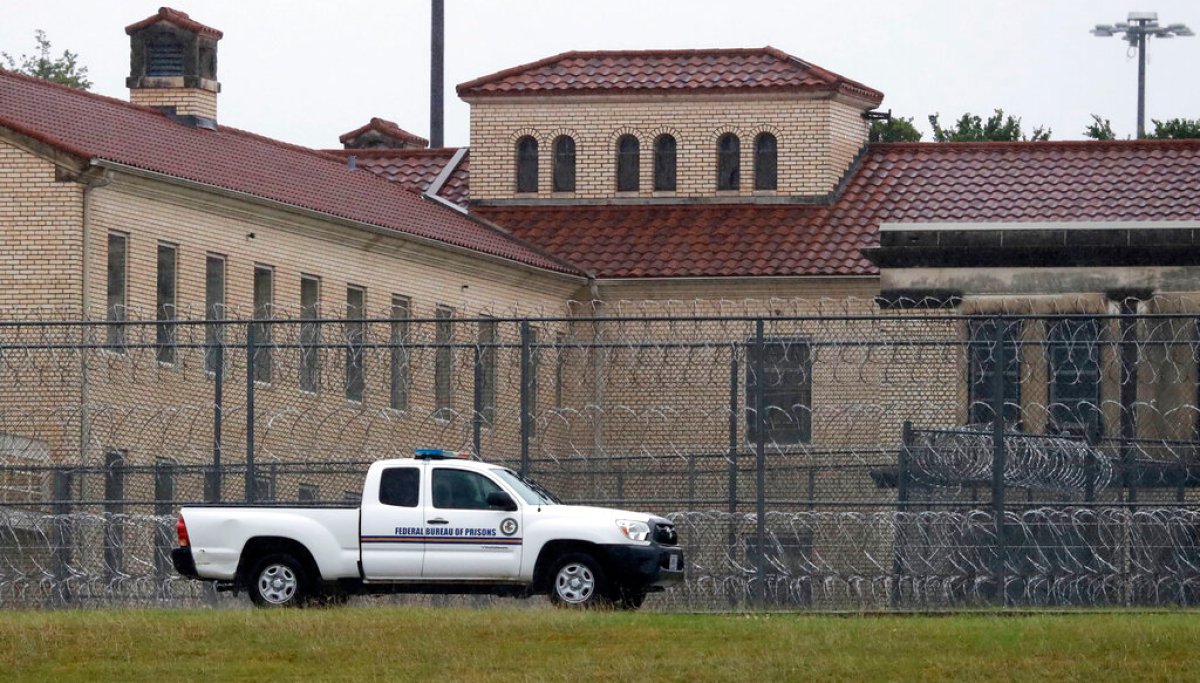
The plaintiffs in the case, identified by pseudonyms such as Jane Doe and Rachel Doe, were previously housed in women’s facilities. According to court documents, they had been diagnosed with gender dysphoria and had received long-term hormone therapy, with some having undergone gender-affirming surgeries. The Bureau of Prisons had placed them in women’s facilities following individualized assessments of their needs and safety risks before Trump’s executive order changed the policy.
Alexander Shalom, the attorney representing the inmates, argued that segregating them violates their constitutional rights against cruel and unusual punishment. He said the practice amounts to a “backdoor attempt to implement the executive order.” Shalom presented testimony about the psychological toll of isolation, noting that segregation has worsened the plaintiffs’ gender dysphoria—the distress that results when a person’s assigned gender and gender identity do not align. He emphasized that this medical condition has been linked to depression and suicidal thoughts.
“This is a backdoor attempt to implement the executive order,” Shalom told the judge, and “the conditions are not in any way comparable to a women’s facility.”
The government’s legal strategy rested on a narrow reading of Lamberth’s June injunction. Littman argued that the transfers do not violate the order because it only prevented transfers to men’s prisons, not segregation within a women’s facility. The government also claimed it would be premature for plaintiffs to challenge the arrangement in court without first exhausting the prison system’s administrative complaint process.
“The plaintiffs don’t get to jump right into court and air their grievances,” Littman said.
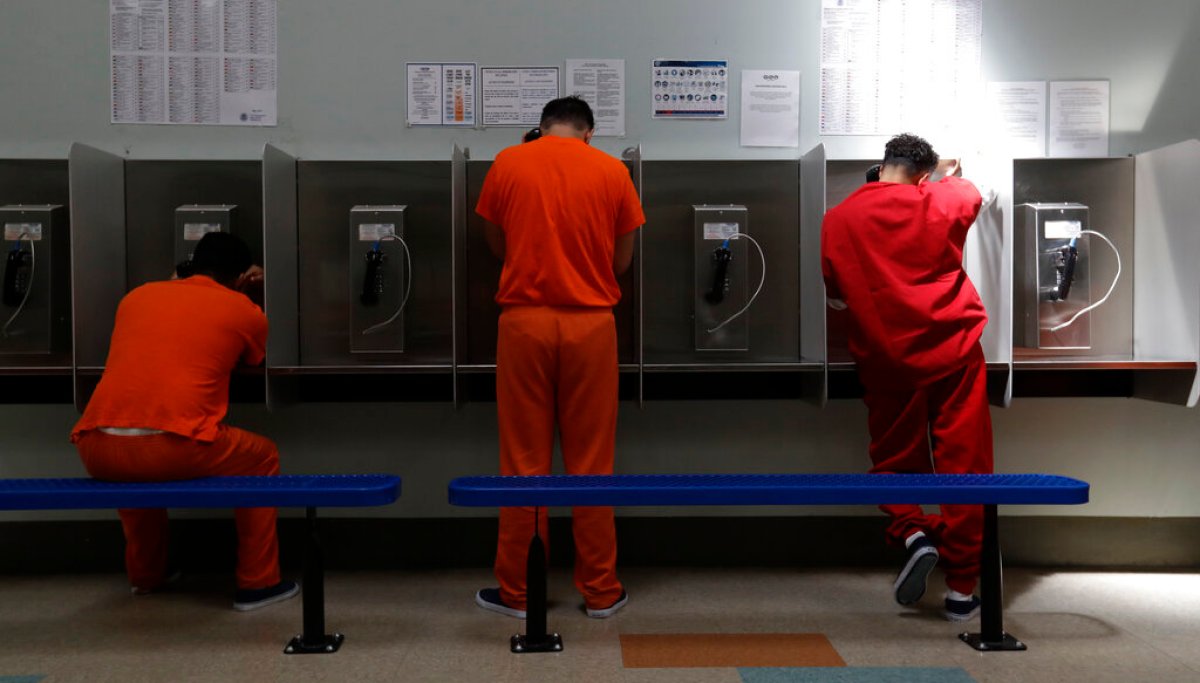
The case reflects a broader legal conflict over transgender housing policy within the federal prison system. In a separate case called Fleming v. Warden, another group of cisgender women inmates had successfully argued they should be separated from transgender women at the same facility, citing sexual assault concerns. Judge Sidney Fitzwater, also a Reagan appointee, ordered the creation of a segregated unit for transgender inmates as a compromise that would satisfy both competing lawsuits. The segregated unit was designed to keep biological males separated from female inmates while keeping the plaintiffs in women’s facilities as required by Lamberth’s order.
This arrangement has created tension between the two judges’ rulings. Lamberth carefully crafted his injunction to avoid directly contradicting Fitzwater’s order, specifying that his injunction merely prevents transfers to men’s prisons but does not require transgender women to share living spaces with cisgender women. However, the segregation that resulted has become the crux of the current dispute.
The plaintiffs argue that the segregated unit strips them of privileges they previously enjoyed, including access to programs, services, and social interaction available to other women in the facility. Shalom contended during the hearing that conditions in the segregated unit bear no resemblance to a standard women’s facility and that the transfers have caused tangible harm to his clients by exacerbating their gender dysphoria.
The judge did not rule from the bench on the inmates’ request to return to general population or to block further transfers into the segregated unit. Instead, he scheduled additional briefing from both sides and ordered them to submit oral arguments for a July 29 hearing—the same day as Wednesday’s session—to continue addressing the matter.
The case is part of a series of legal challenges to Trump’s transgender policies in federal prisons. Since the executive order took effect in January, federal judges across the country have issued multiple injunctions preventing the administration from implementing different aspects of the order, including restrictions on gender-affirming care. Those rulings have created a patchwork of protections across the federal prison system as litigation continues.