

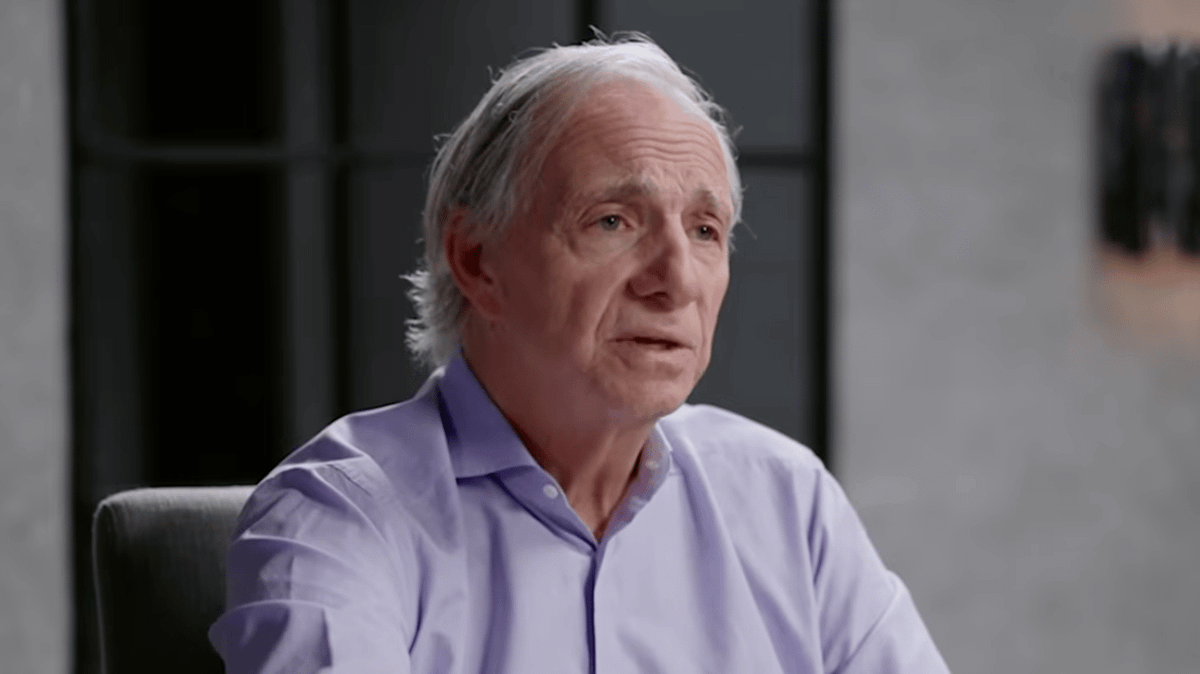
Ray Dalio, the investor widely known for foreseeing the 2008 financial crisis, has outlined practical ways people can improve their finances and increase their earning potential.
The founder of one of the world’s biggest hedge funds recently discussed the habits and mindset that helped him build wealth, offering advice aimed not only at established earners but also at people starting out with little or no savings.
Dalio founded Bridgewater Associates in 1975 from a two-bedroom apartment in New York City, eventually building it into the world’s largest hedge fund. The firm has managed over $150 billion in assets for institutional clients including pension funds, government agencies and central banks. His ability to anticipate major financial crises, including the 2008 global meltdown, stemmed from his study of historical patterns over the last 500 years, which he used to understand recurring economic cycles.
During an appearance on Stephen Bartlett’s Diary of a CEO, Dalio said that ‘your only asset is yourself’.
He said:
“The key question is: How do you sell yourself in order to earn a better income?
“One of the big problems now is that artificial intelligence and other technologies are replacing people in many different jobs.
“It becomes more difficult because, while technology increases productivity, it also contributes to a growing wealth gap.”
Dalio explained that higher productivity is something every industry is chasing, as businesses constantly look for ways to produce more efficiently.
At the same time, he warned that this shift can create downsides for workers.
“Productivity gains can widen income inequality, because to a large extent, your productivity determines your income. Then you also have the political dynamics that come with that.”
He added that people who make it into the top 10% of talent can unlock major opportunities, describing that level as one where ‘the world is your oyster’, while noting that reaching it has become increasingly challenging.
His core advice was straightforward:
“Find something that allows you to sell your time for good money.”
Dalio said that path could look very different from person to person, whether that means driving for Uber or building specialist knowledge in AI. The important part, he suggested, is understanding what your strengths are and choosing a direction that fits them.
He also said that enjoying what you do played a major role in his own achievements, urging people to ‘make your work and your passion the same thing’.
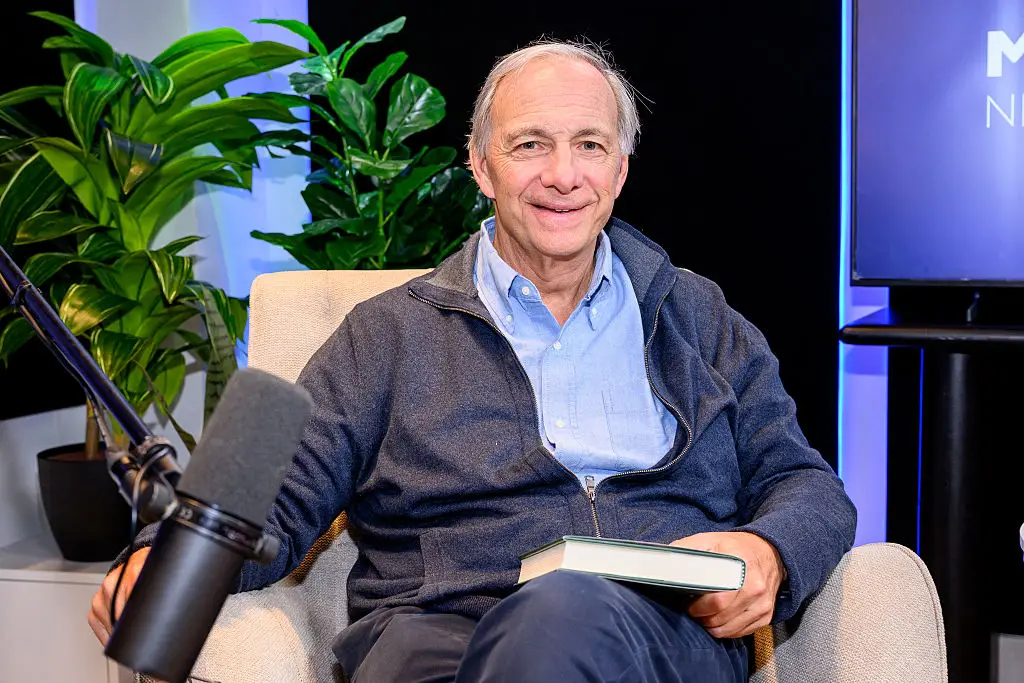
Bartlett responded by pointing out that the same ability can be rewarded very differently depending on where it is used. He said he often tells friends to test their skills across different sectors to see where they may be valued most.
Using driving as an example, he said ‘you could be an Uber driver, or you could be Ray Dalio’s chauffeur’, before adding ‘Broadly speaking, both jobs involve driving a car, but I imagine they pay very differently’.
Dalio agreed, saying the same principle applies ‘to almost everything’.
He said:
“If you’re buying a painting, a piece of furniture, a piece of clothing, someone’s time, or almost anything else, the people at the very top command premiums that are many multiples above average.
“It’s almost as if, by investing just 10% more time, effort, or skill to move yourself up a level, you can potentially double what you’re paid.”
He said:
“That’s part of the formula of life, and it’s certainly part of the formula of employment.”