


Researchers identified the first tick-borne Bourbon virus case in New York in April 2026.
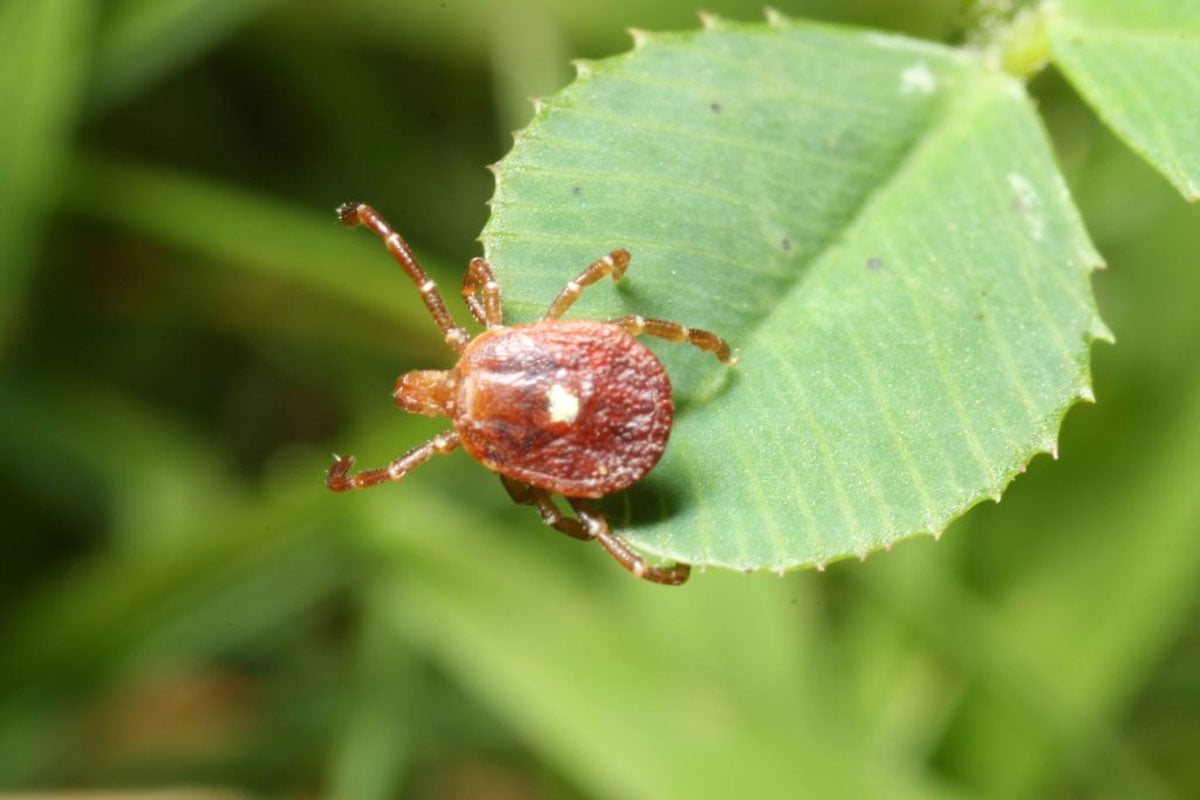
Marcos and his colleagues identified the state’s first confirmed case in April 2026 while analyzing blood from 107 patients who had experienced fever and other signs of tick-borne illness between 2019 and 2024.
Michael Larkin, 67, is an avid outdoorsman and the husband and father of three who was landscaping in his Brookhaven Town backyard when he spotted two tiny lone star ticks clinging to his leg.
“I removed them. A couple of days later, I was not feeling well. I went to a local clinic, I told them about the tick bites. They tested for Lyme, but it did not show up,” Larkin said.
What followed was a health nightmare that spiraled downward, including rash, fever, and night sweats. “I just keep feeling worse and worse,” Larkin said. He said it was debilitating, despite receiving antibiotics.
He developed chronic, intense headaches. “Three or four hours later, I would hit rock bottom and can’t get off the couch,” Larkin said.

Larkin joined a year-long antibody study. His blood was checked every three months. Finally, just last month, doctors identified his extremely rare Bourbon virus infection.
Bourbon virus was first identified in Bourbon County, Kansas, in 2014. Since then, only a small number of infections have been documented, primarily in the central United States.
The patient’s illness initially resembled Lyme disease. Doctors prescribed doxycycline, the antibiotic commonly used to treat Lyme and several other bacterial tick-borne infections, but the patient’s severe headaches, fatigue, and other symptoms did not improve.
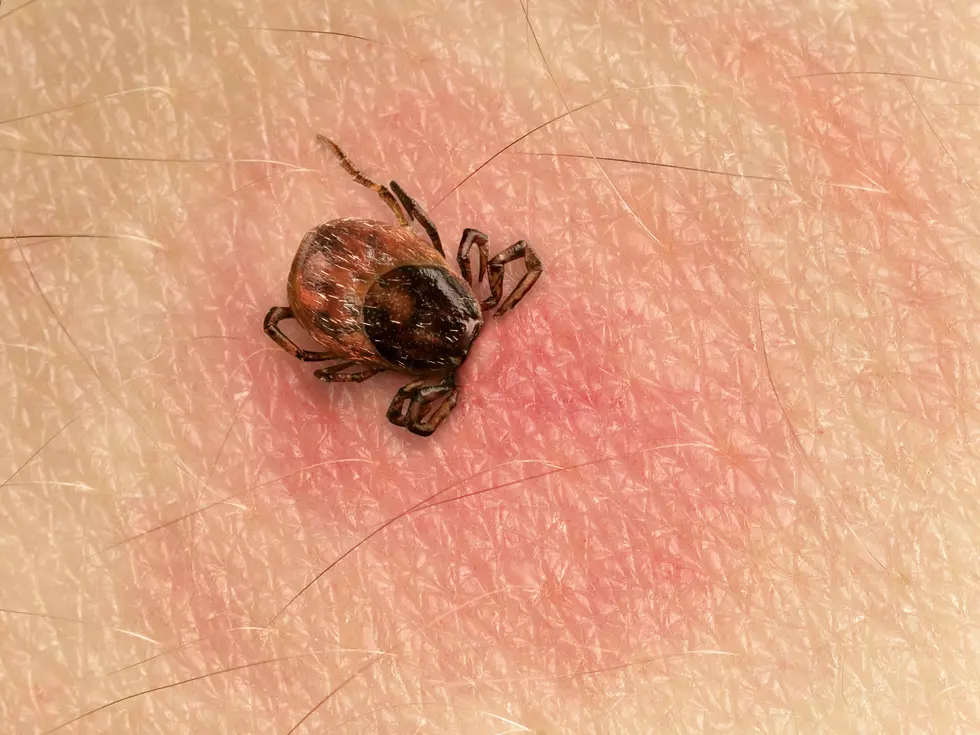
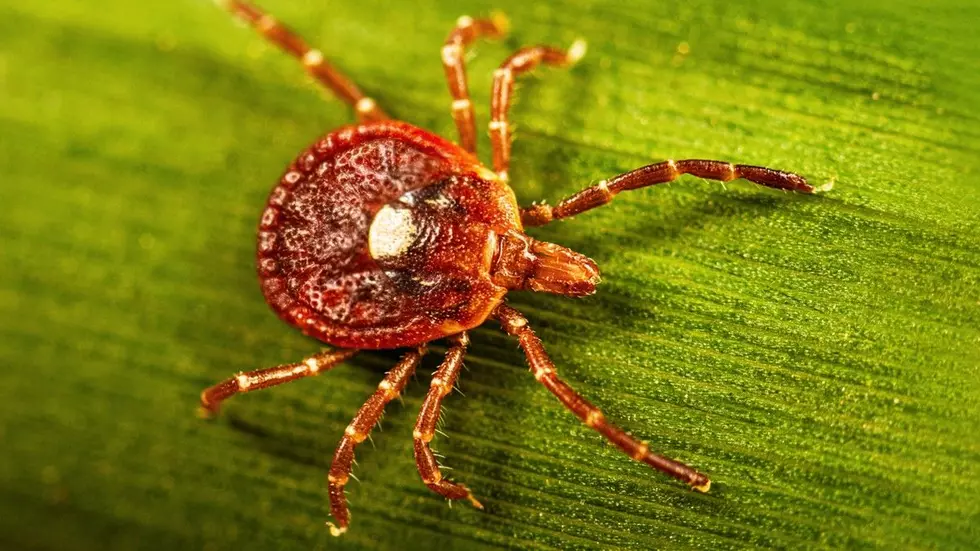
Treatment failed because of the virus’s nature.
Because it is a virus rather than a bacterial infection, traditional antibiotics are ineffective, and treatment is primarily supportive.
“I would get really down with bad fever and bad headache, and then after several hours I would feel fine, like nothing’s wrong,” he said.
By the time he reached the emergency department, he happened to be in one of those periods when his symptoms temporarily subsided. “I was not looking sick, and they wanted to send me home,” Larkin recalled.

While initial hospital blood tests revealed abnormally high liver enzymes and critically low blood platelets, standard testing ruled out Lyme disease.
Doctors performed an immediate spinal tap and administered intravenous antibiotics, but Larkin was discharged without a definitive diagnosis.
Seeking answers, Larkin enrolled in an ongoing tick-bite research initiative at Stony Brook University led by infectious disease specialist Dr. Luis Marcos.
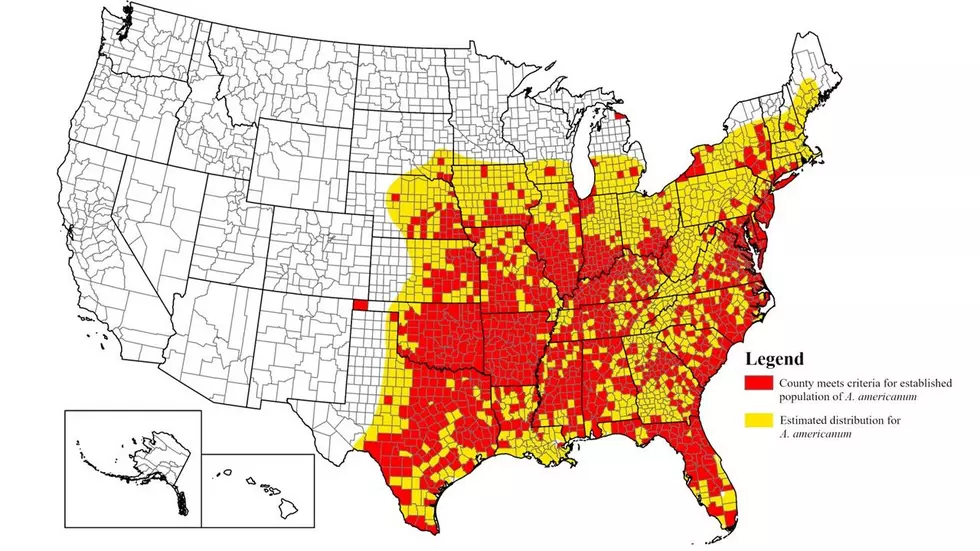
“There are a lot of lone star ticks in New York and in the Northeast; we have dense populations, and when someone is infected with Bourbon virus symptoms, they are similar to other tick-borne infections,” says Luis Marcos, MD, lead author, a professor in the Departments of Medicine and Microbiology and Immunology at the Renaissance School of Medicine (RSOM) at Stony Brook University, and director of the Tick-borne Disease Clinic. “For these reasons, the Bourbon virus is likely more prevalent than we think in our region, and other cases are likely not being diagnosed.”
The Bourbon virus remains a rare infection, and because of this many clinicians may be unfamiliar with it, thus increasing the possibility of misdiagnosis. And because there is no commercial test for the virus any samples in New York are sent to the NYS Department of Health for analysis.
Two cases had neutralizing antibodies for the Bourbon virus. One of these patients had a four-fold rise in antibody titers of the Bourbon virus, which according to the researchers indicates an acute or recent infection of this virus.
“This one case certainly was the Bourbon virus, and over a one-month period antibody titers increased eightfold. The patient showed some very severe symptoms and was hospitalized,” Marcos summarizes.

The first identified case in Kansas in 2014 was fatal, and another death linked to the virus was reported in 2026.
“Now we know the virus can be lethal. On Long Island, at least, we have a lot of lone star ticks,” Marcos said. “And honestly this may be the very, very tip of the iceberg.”
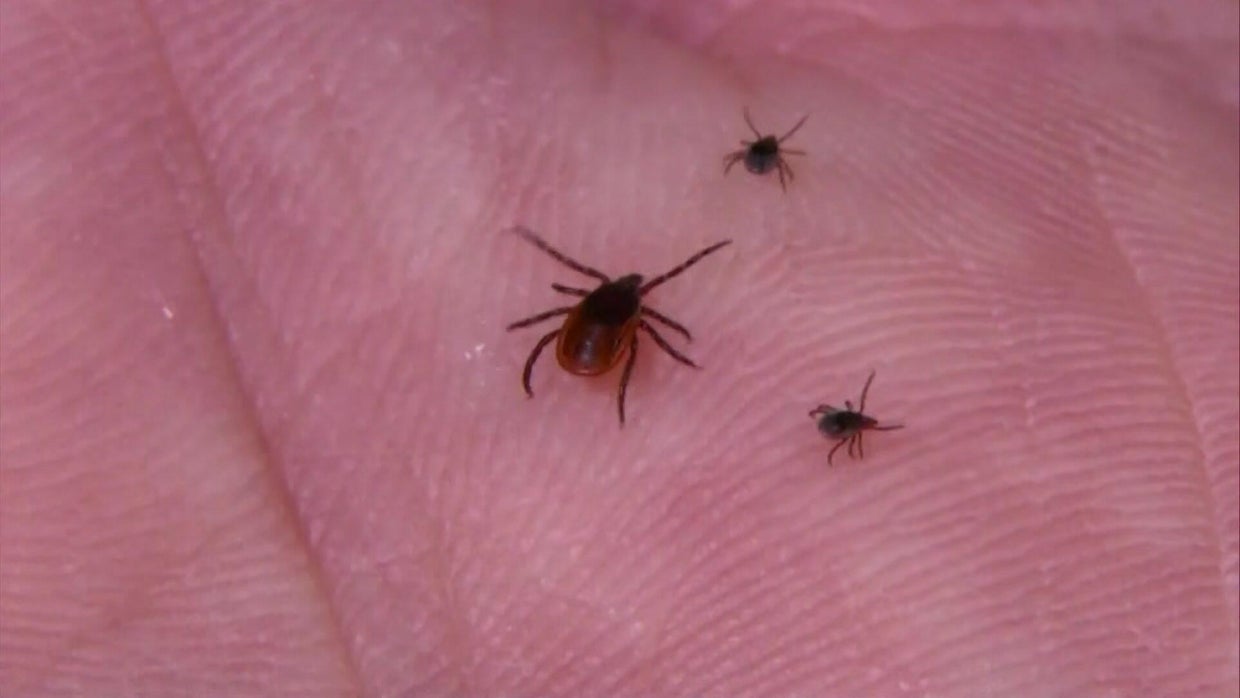
Michael Larkin originally contracted the illness in 2021 after discovering a tick bite while working in his backyard garden.
Within five days of the bite, Larkin experienced debilitating symptoms, including an extreme headache, severe night sweats, and a spiking fever, which ultimately forced him to seek emergency medical care.
After sending the data to the Department of Health for research and results, three diagnoses were returned: one older Bourbon virus infection, one recent Bourbon virus infection (Larkin’s), and one Heartland virus infection — another rare disease carried by the lone star tick.
“We did it all at once in a batch of 130 samples, because that’s what happens when you don’t have funding — things work really slow,” Marcos said.
Larkin’s doctors hope his story will offer vital public information regarding tick-borne illnesses, and increase awareness, protection and inspection.
Larkin now uses clothing treated with permethrin to keep ticks away while working outdoors.
U.S. Senator Chuck Schumer announced a request for $273.5 million in funding for research of ticks and tickborne diseases in the 2027 federal budget. Senator Chuck Schumer held a press conference on July 1 alongside Dr. Luis Marcos of Stony Brook Medicine, Suffolk County Executive Ed Romaine and Michael Larkin, to announce the funding initiative.