

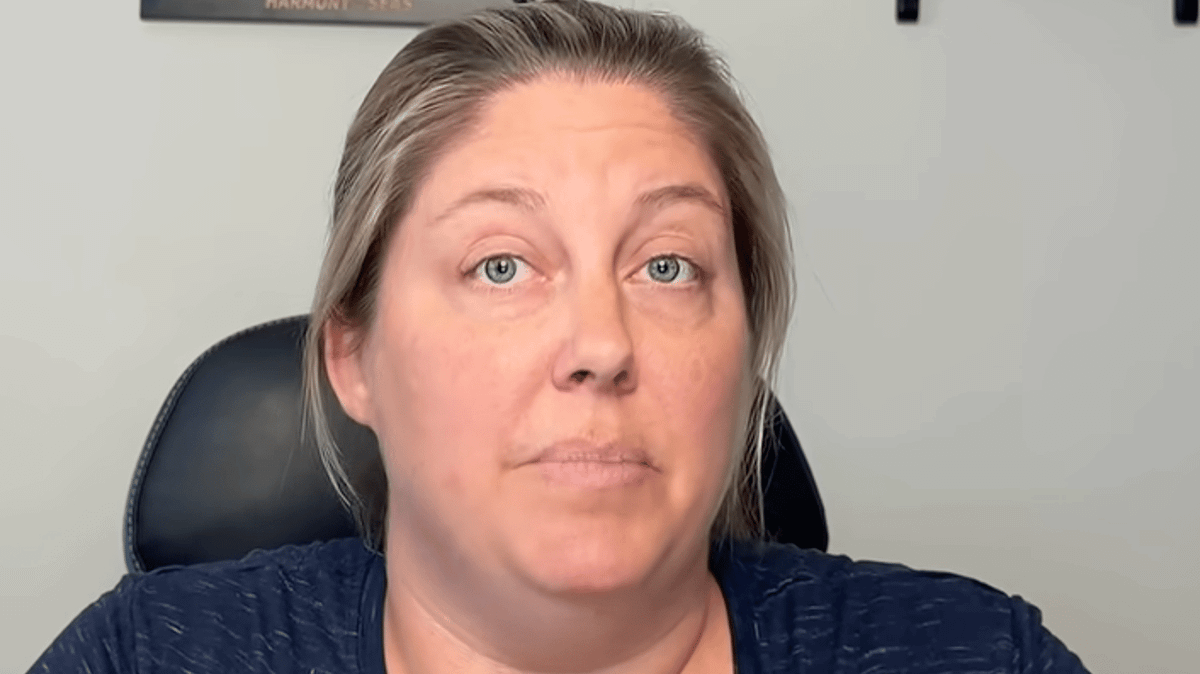
A cruise-focused nurse has shared the straightforward steps she relies on to reduce the risk of getting ill at sea, including one precaution she says she feels “very strongly” about.
Because cruise holidays bring large numbers of people together in shared restaurants, theatres, pools, and other public areas, bugs can pass quickly from one passenger to another. For many people, that can make staying healthy onboard feel partly out of their control. Outbreaks of contagious diseases spread quickly on cruise ships due to the confined environment, reliance on shared spaces, and the large number of passengers and crew members from different origins. According to recent data, gastrointestinal illnesses caused by norovirus account for the majority of reported outbreaks on cruise ships, though the overall incidence of gastrointestinal illness on cruise ships is less than 1%.
Ashley Neill, who posts on YouTube as ‘The Cruising Nurse’, has outlined the routines she follows when boarding a ship, along with advice on what travellers should know if they end up needing medical help during their trip.
“Let’s talk about the first thing I do when I get inside my cruise cabin – I’m going to take out my disinfectant wipes, and I’m going to wipe down all the high-touch surfaces,” she said in a video on her YouTube channel.
She said those areas include handles, light switches, remotes, bathroom fixtures, and other frequently touched spots around the cabin.
“This doesn’t mean that cruise ships are not clean,” she admitted, “The housekeeping does a great job on these ships.”
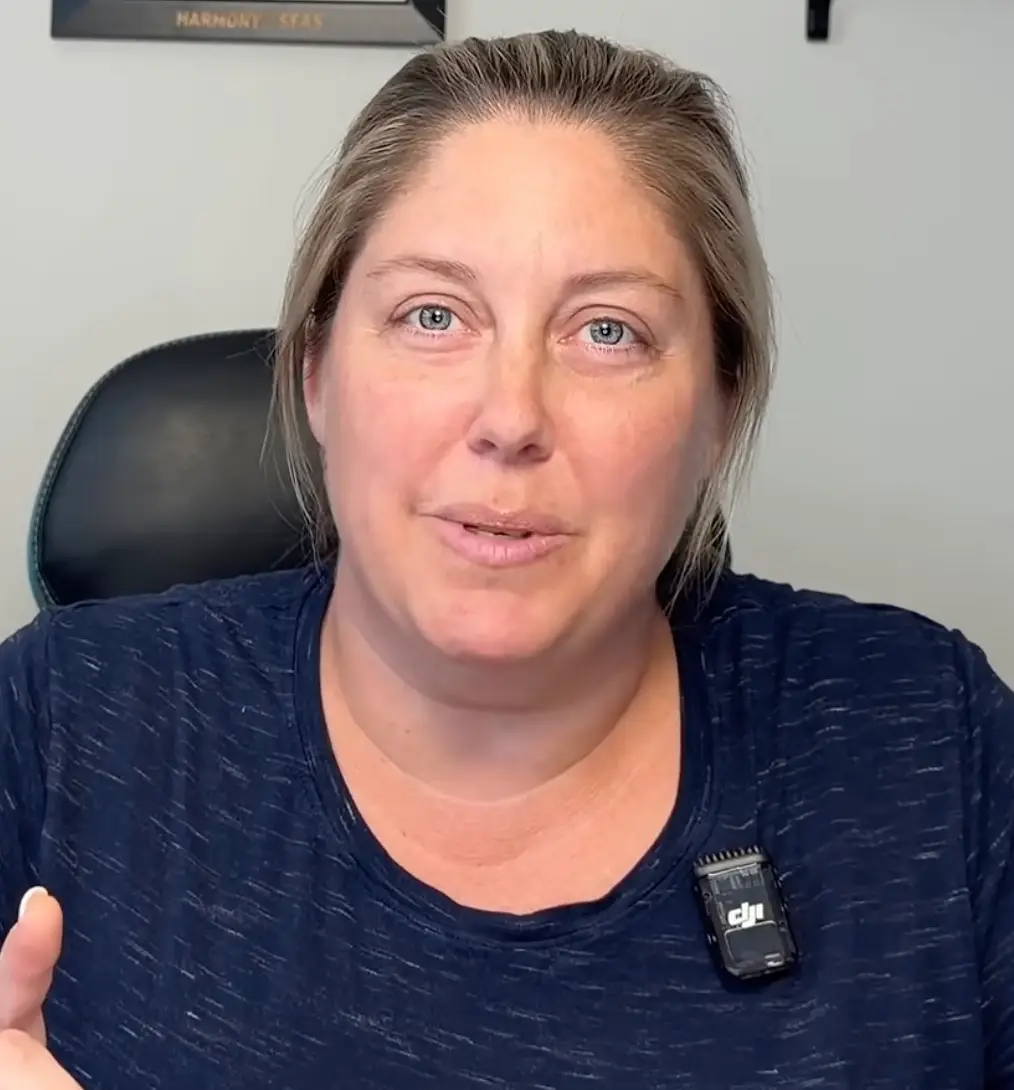
Neill said the extra wipe-down is simply a personal measure that helps her feel more comfortable in her room.
“It’s just gives me my peace of mind that I know I have done my part to keep my cabin clean and myself healthy.”
She also emphasised that proper hand washing matters far more than many passengers seem to realise.
“There are lots of washy-washy people, especially when you go into the buffet, with hand sanitizer, but the best practice to stay healthy on a cruise is washing your hands with old-fashioned soap and water.
“Hand sanitizer will not work, so stick around.”
Her recommendation aligns with guidance from health authorities. Soap and water are far more effective at removing common illness-causing germs than hand sanitizer, particularly norovirus, which is frequently found on cruise ships. While hand sanitizer with at least 60% alcohol content can be useful when soap and water are unavailable, soap and water are the gold standard for hand hygiene.
Another point she wanted to clear up is that ships are not without healthcare options, despite what some people assume.
“every cruise ship has a cruise medical center”.
According to Neill, these onboard facilities can deal with a range of common issues, though their role does have limits. Cruise ship medical centers function like urgent care clinics rather than full hospitals. They are staffed by licensed doctors and nurses who are available 24 hours a day for urgent care.
“It works almost like an urgent care center. So, they have things they can help with respiratory viruses, common colds, seasickness, viruses, and stomach bugs.
“They have medical professionals on board that can assess you, treat you, and stabilize you. But, this is where it gets a little bit tricky, because the keyword here is stabilize.”
She said that if a passenger suffers a more severe medical emergency, evacuation from the ship may be necessary so they can receive treatment on land. Most cruise ship medical centers do not have operating rooms or specialized hospital departments for complex procedures. If a condition requires advanced surgery or intensive care, the crew arranges emergency evacuation or transfers patients to the nearest hospital.
“This can actually cost you hundreds of thousands of dollars if this happens to you.
“And this is where something really important comes into play.”
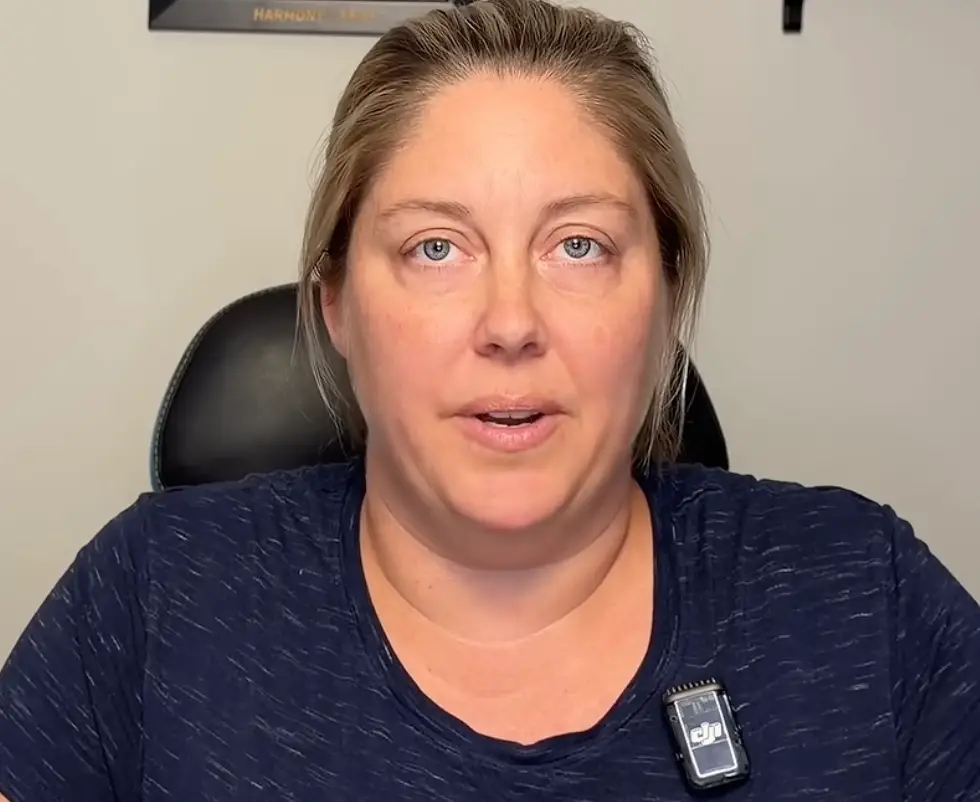
That concern is why she strongly recommends arranging travel insurance before leaving for a cruise. Medical evacuation from a cruise ship can cost anywhere from $25,000 to over $100,000 depending on location and evacuation type. Helicopter evacuations from nearby coastal waters typically run $15,000 to $50,000, while long-range air ambulance flights from remote destinations like Antarctica or the South Pacific can exceed $200,000. These costs are separate from onboard medical care, which can add $5,000 to $20,000 more.
“I feel very strongly about this,” she noted.
“A lot of people I feel brush travel insurance under the rug, or they think that they have it through their credit card, and that’s enough.
“I’m so passionate about travel insurance, and how important it is. Do not skip this step in your cruise travel.”
She also shared the kinds of health supplies she brings with her to make dealing with minor problems easier while onboard.
“It’s everything that I personally travel with on board a cruise ship to keep myself and my family healthy when on board the cruise,” she said.
Her suggested packing list includes medication for seasickness and nausea, diarrhoea treatment, pain relief, cold remedies, plasters, antibiotic cream, and electrolyte packets for common travel-related illnesses and minor medical concerns.