


New York’s first confirmed human case of rare Bourbon virus has been identified in a Long Island resident after five years of undiagnosis.
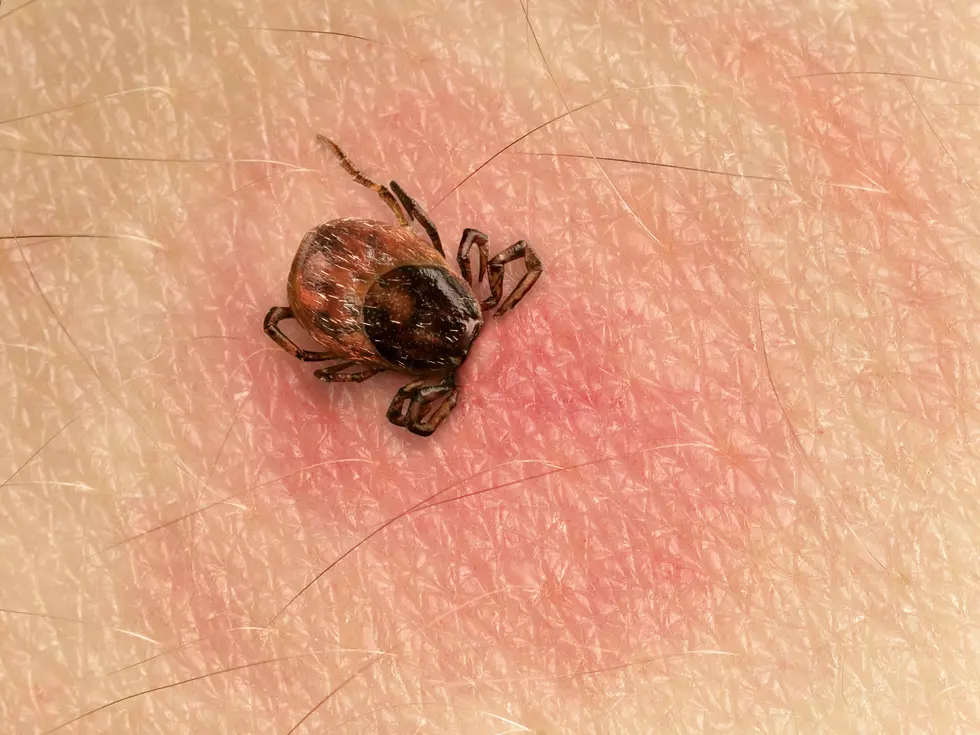
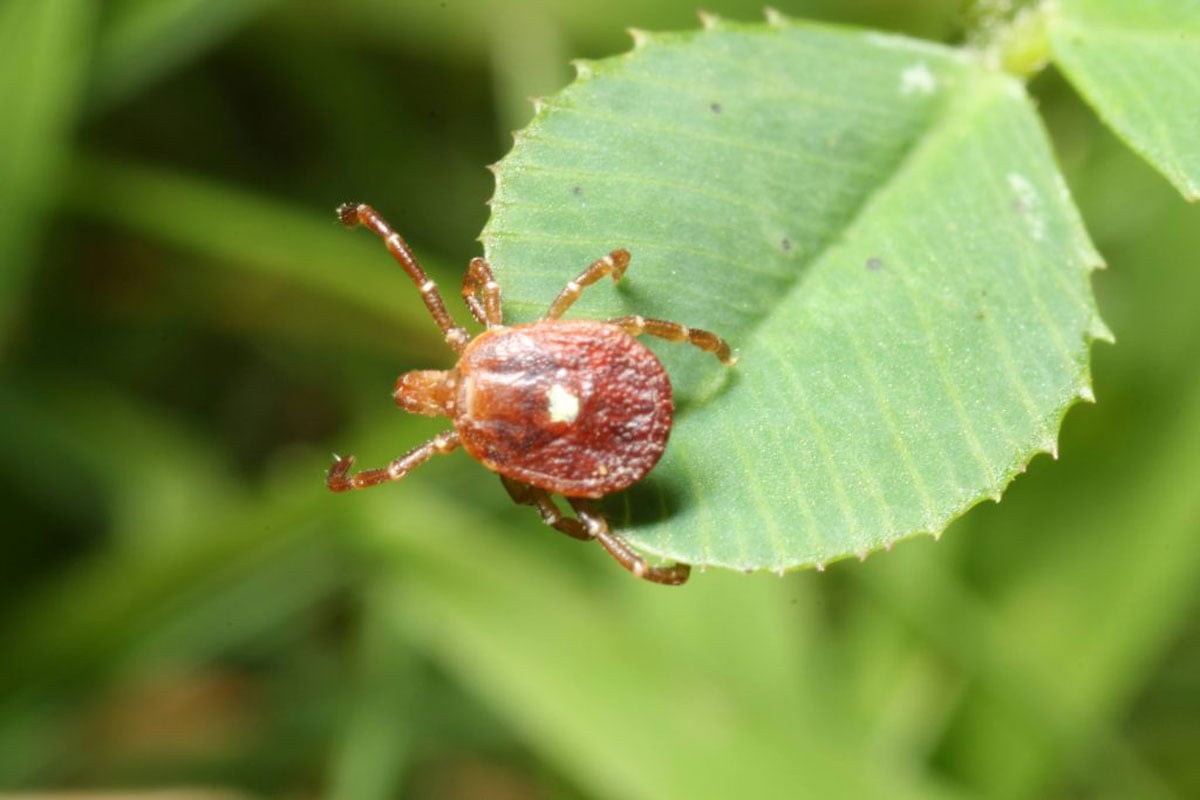
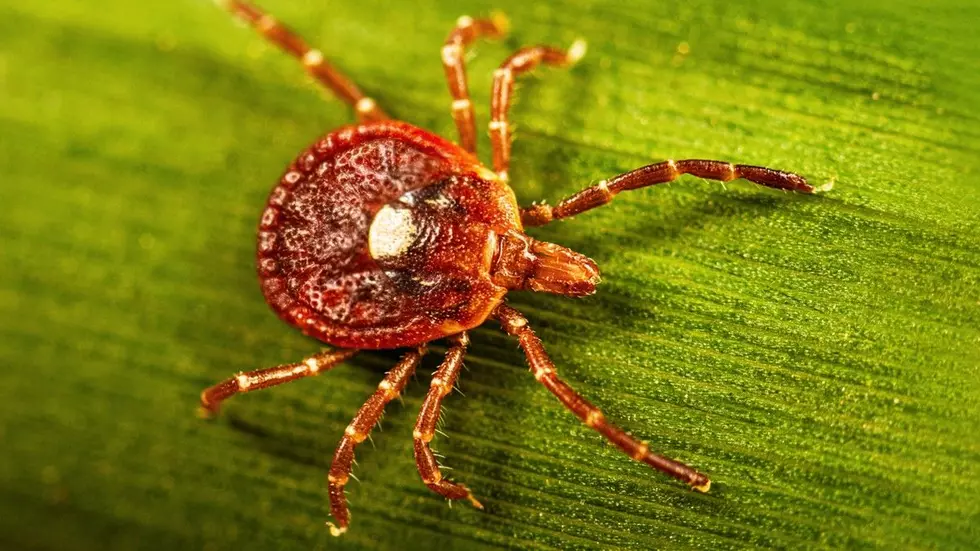
Michael Larkin, 67, a Long Island resident, contracted the virus after finding two lone star ticks on his body while working outdoors in Suffolk County in 2021.
Larkin is an avid outdoorsman and husband and father of three who was landscaping in his Brookhaven Town backyard when he spotted the two tiny lone star ticks clinging to his leg.
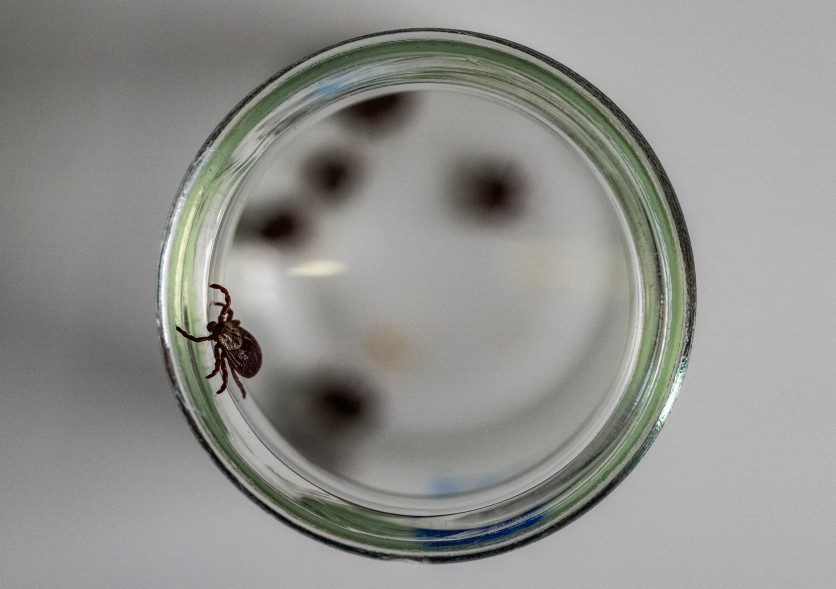
“I removed them. A couple of days later, I was not feeling well. I went to a local clinic, I told them about the tick bites. They tested for Lyme, but it did not show up,” Larkin said.
Within five days, he was deteriorating: severe headaches, spiking fever, drenching night sweats, a spreading rash, with an emergency room visit revealing dangerously low platelets and elevated liver enzymes.
Doctors performed a spinal tap and administered intravenous antibiotics, but he was discharged without a diagnosis.

“Three or four hours later, I would hit rock bottom and can’t get off the couch,” Larkin said of his chronic, intense headaches.
“I demanded my wife take me to the hospital, because that’s how bad it was. I couldn’t stand it anymore.”
Larkin told WCBS his headaches were so bad he could hardly move.
For five years, Larkin remained undiagnosed despite his severe illness.
Larkin participated in a continuous tick-bite research initiative at Stony Brook University led by infectious disease specialist Luis Marcos, MD, MPH, an associate professor of medicine.
Larkin joined a year-long antibody study, with his blood checked every three months, until finally, just last month, doctors identified his extremely rare Bourbon virus infection.
The researchers identified Larkin’s case in April 2026 through a retrospective study of 107 patients who had presented with fever and tick-bite symptoms between 2019 and 2024 at Stony Brook Medicine.
“This one case certainly was the Bourbon virus, and over a one-month period antibody titers increased eightfold,” Luis Marcos said in a statement.
Additionally, researchers stressed the diagnostic challenge this virus poses.
Because no standard clinical laboratory anywhere in the United States can test for this virus, every similar case that has occurred since goes unconfirmed, uncounted, and untreated.
Marcos warned that cases may be far more common than numbers suggest.
“Now we know the virus can be lethal. On Long Island, at least, we have a lot of lone star ticks,” Dr. Marcos said. “And honestly this may be the very, very tip of the iceberg.”
“There are a lot of lone star ticks in New York, and in the northeast we have dense populations, and when someone is infected with Bourbon virus symptoms, they are similar to other tick-borne infections,” wrote Luis Marcos.
“The Bourbon virus is likely more prevalent than we think in our region and other cases are likely not being diagnosed.”
There are no vaccines to prevent or medicine to treat the illness, which remains rare but mostly in regions in the central part of the U.S.
Treatment consists only of supportive care.

Mild symptoms can be treated with over-the-counter medicines, like pain relievers, while some patients may need to be hospitalized and given intravenous fluids and treatment for pain and fever.
The virus confounds doctors because its symptoms mimic other tick-borne illnesses.
Patients may develop fever, extreme fatigue, headaches, body aches, nausea, and a rash—broad symptoms that make the infection difficult to distinguish from other tick-related illnesses.
Persons with Bourbon virus disease will have similar signs and symptoms of other tickborne illnesses but will not respond to antibiotic treatment such as doxycycline.
In Larkin’s case, the initial Lyme disease treatment failed.
Doctors administered intravenous antibiotics but achieved no improvement.
The lone star tick (Amblyomma americanum) has been expanding its range northward for decades, driven by warmer winters and growing white-tailed deer populations.
A 2022 study of blood samples from 440 people in the St. Louis, Missouri area found that 0.7% carried Bourbon virus-specific antibodies, indicating past infection—many times higher than the small number of confirmed cases in that region, and the Stony Brook study found 1.9% antibody prevalence among a fever cohort in Suffolk County, New York.
Larkin contracted the illness in 2021 after discovering ticks on his leg while landscaping in his backyard. Within five days, he deteriorated with severe headaches, spiking fever, drenching night sweats, and a spreading rash. An emergency room visit revealed dangerously low platelets and elevated liver enzymes, doctors performed a spinal tap and administered intravenous antibiotics, but he was discharged without a diagnosis. Finally, just last month, doctors identified his extremely rare Bourbon virus infection after Marcos’ specialized testing of samples from the retrospective study.
The confirmed US human case count has remained in the single digits—six confirmed cases as of early 2026 across Kansas, Missouri, Oklahoma, and New York, with three fatal: the Kansas farmer in 2014; a Missouri man in 2017; and, in 2026, a man in Kansas.
The findings were published in the American Journal of Tropical Medicine and Hygiene.