

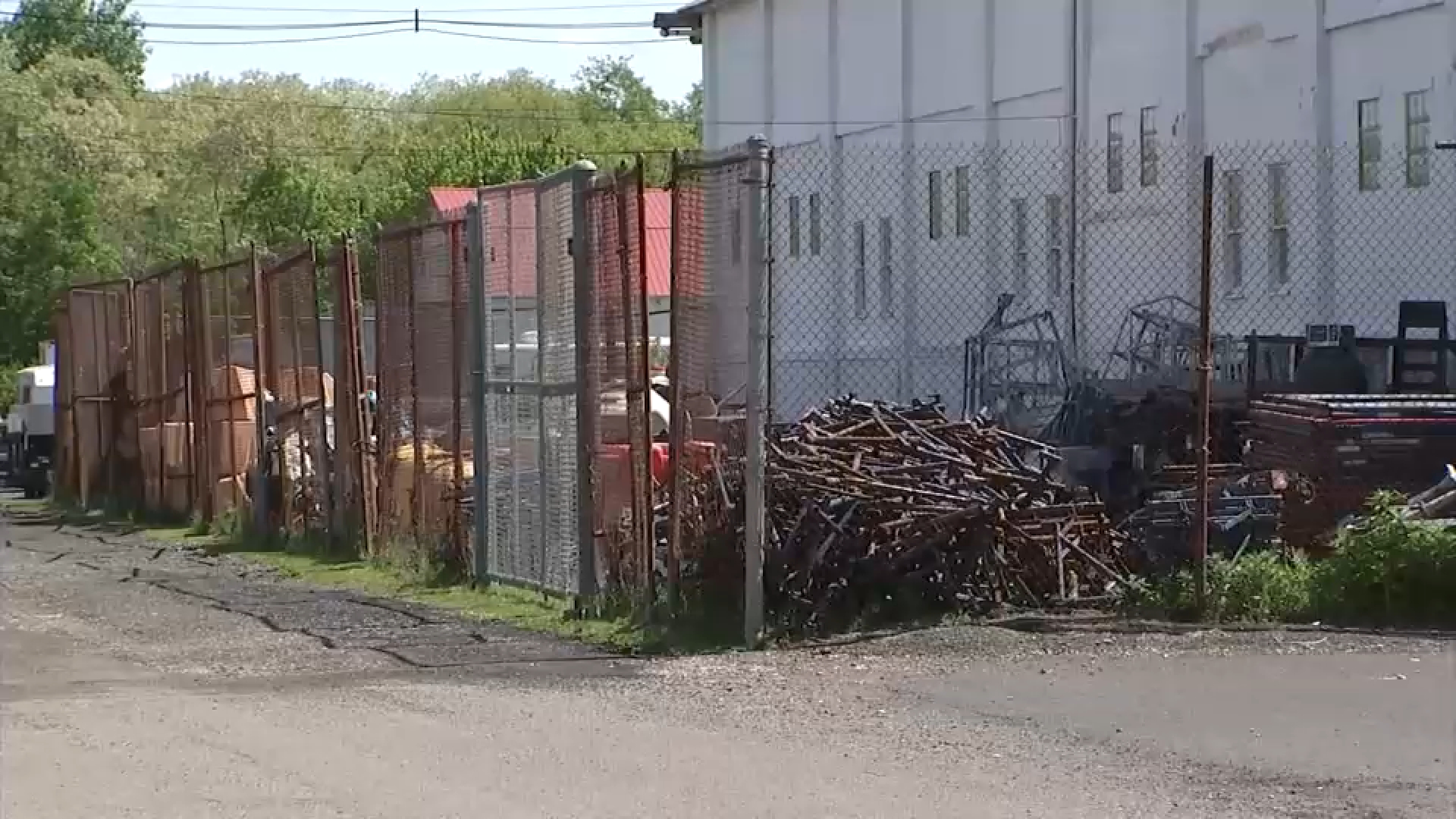
New independent testing obtained by NewsNation found metals, benzene, vinyl chloride and PFAS — so-called “forever chemicals” — in groundwater at the site, with some contaminants exceeding state soil and groundwater standards.
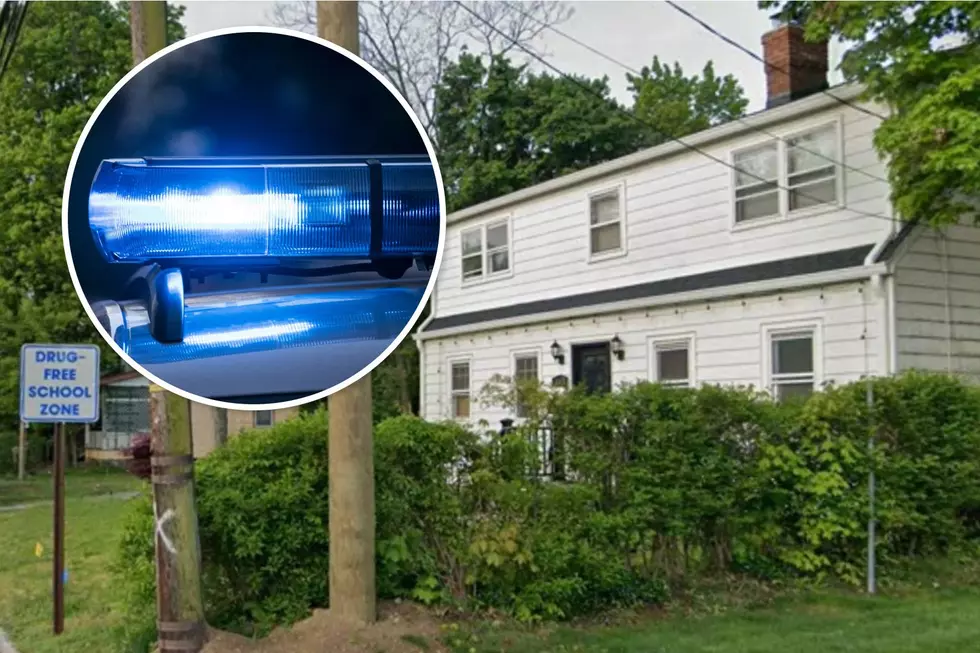
Residents of this Jersey Shore town are set to confront local officials Thursday night over what they believe is a link between a nearby landfill and a growing cluster of cancer cases, now numbering nearly 400 diagnoses. The site was originally used by Aeromarine, a company that manufactured aircraft for the U.S. Army and Navy in the early 20th century, before being converted into a landfill in the 1960s and 1970s.
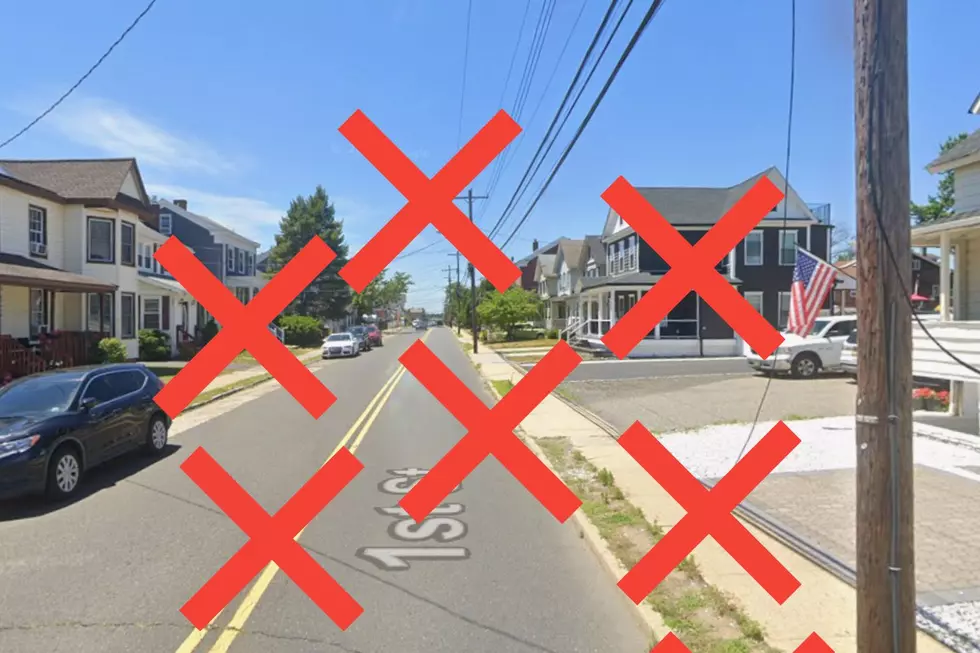
The investigation was prompted by the work of Rusty Morris, 46, a former Keyport resident who began documenting cancer cases among people who grew up near First Street, where he was raised. Morris told NJ.com he created a map marking homes with red Xs — his own family home among them after his father was diagnosed with prostate cancer — eventually counting 28 cases on First Street alone and 41 across the wider borough.
Ginger Morris lives on First Street, where her sons created a map of cases. They marked an “X” on 28 homes where they say there has been a cancer diagnosis, including their own. Morris’ husband is battling prostate cancer.
“My mother had skin cancer. The lady across the street from her had brain cancer. My backyard neighbor has cancer where they had to do a Wiffle surgery,” Morris said. “And across the street from me, seven houses in a row all had cancer.”
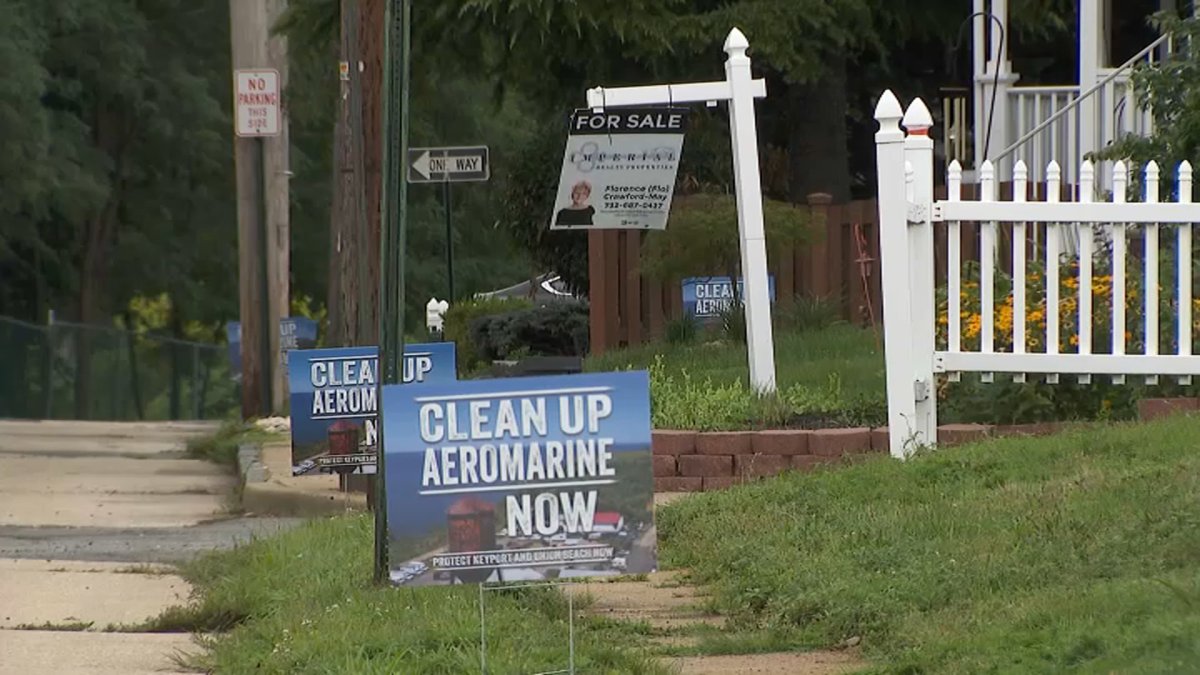
“Stop doing the dance,” Morris said, “because they’re just dancing around it. Fix it. Just fix it. That’s all we want. Fix it.”
Fellow resident Sal Liguori lost his 36-year-old son, Anthony, to bone cancer four years ago. Liguori said the cancer spread through his son’s spine and bones. Liguori told NewsNation he has since been diagnosed with early-stage leukemia himself.
“What drives me is my son – my son’s memory,” said resident and organizer Sal Liguori. “I feel that he is so strong and spiritual that he’s reaching down and talking to me and saying, ‘Dad, I need your help, and I know you’re the guy.’ Liguori lost his son Anthony in December 2022 after a cancer diagnosis.”
“The DEP is telling us that, yeah, it’s contaminated up there still. The levels are high, not acceptable levels. But there’s still no pathway of those chemicals coming down to us,” said local resident Sal Liguori.
“These are professionals telling us that toxic landfill up there is contained, but it’s not capped properly,” Liguori said.
Sal Liguori is asking local businesses and corporations to donate to help fund free blood work and cancer screenings for people living near the abandoned Aeromarine Landfill. “We’re going to get these people screened who don’t have insurance,” said Liguori. “I want to start with the young people first and go to the older people…just a basic screening to give them some peace of mind and take the fear away.”

“I’m 16. I shouldn’t be here. I should be doing normal high schooler things, but instead i’m here begging the state to pick up the slack here,” she said.
In June, independent testing expert Scott Smith went to Keyport to test. Smith tested for PCBs and dioxins, which are some of the most carcinogenic compounds on the planet. “So the EPA trigger threshold for human health exposure and follow-up testing is 4.8 parts per trillion TEQ for soil,” Smith told NewsNation. “My test came back from the lab; it was 31.”
“To put things into perspective, when the dioxin TEQ was above 20, toxicologists get concerned in East Palestine,” he said, adding that his results suggest he needs to do more.
“I showed up to the town hall that the NJDEP hosted,” Craft said, “thinking that I was learning about a new development, something that was brand new, that was being brought to the community’s attention.
In 1979, New Jersey’s Department of Environmental Protection (DEP) ordered the shutdown of the Aeromarine landfill, citing “numerous operating and engineering deficiencies and overall exhaustion of capacity.” Despite this action, the property owners have not taken substantive redevelopment or comprehensive remediation to date.
Rusty Morris, a former Keyport resident, began documenting cancer cases among people who grew up near First Street by creating a map marking homes with red Xs — his own family home among them after his father was diagnosed with prostate cancer — eventually counting 28 cases on First Street alone and 41 across the wider borough. Neighbors in a New Jersey community gathered for a crisis meeting to get more information about a possible cancer cluster after more than 400 cases had been reported — including dozens on just one street. There was a moment of silence and a prayer Thursday evening for those in Keyport who had lost their life to cancer or continue to suffer with it.
The New Jersey Department of Environmental Protection says the Aeromarine site closed in 1979 and that a 2010 study found contaminants above groundwater, including benzene, arsenic and PCBs. But the agency says despite the toxins, they never found a clear pathway exposing residents.
When asked if they tested the soil for dioxins, the NJDEP did not answer the question, and instead said they would not comment on outside testing and results. In a separate statement to NewsNation, NJDEP said: “DEP’s review of existing and new data does not indicate a pathway for human exposure to contamination.”
Congressman Frank Pallone wrote: “A suspected cancer cluster in our community is a sensitive matter that requires the full force of our public health and environmental protection agencies. I sincerely urge you and your agencies to collaborate, take meaningful action and inform the community of your work. The residents of Keyport are entitled to clarity, accountability, and protection from potential environmental harm.”
State Sen. Declan O’scanlon, Assemblywoman Victoria Flynn, and Assemblyman Gerry Scharfenberger confirmed on Tuesday that testing for a possible cancer cluster will take place in Keyport. The Department of Environment Protection (DEP) will be testing wells at the old Aeromarine site, and the entire process will take about two months.