

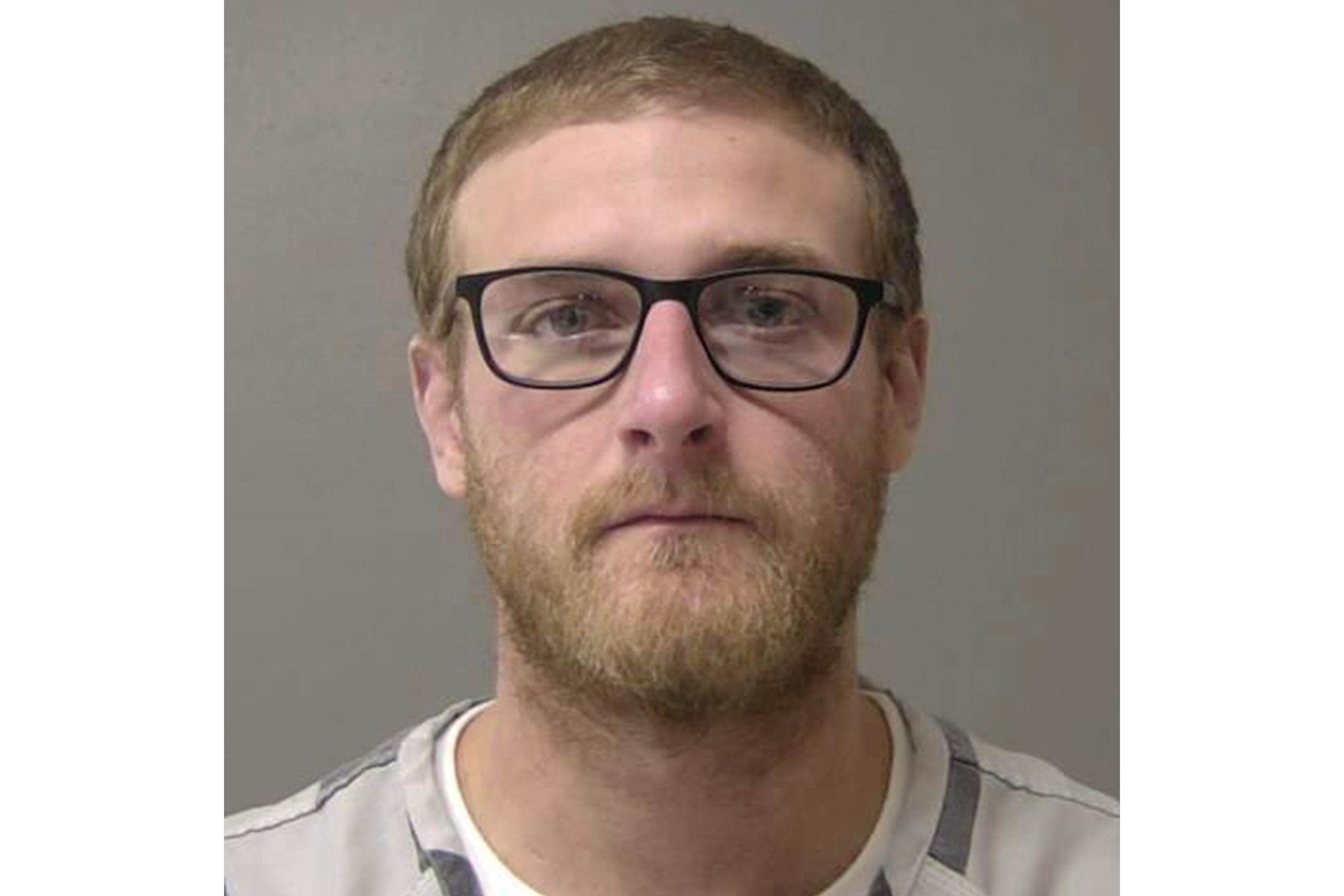
Sean Grayson, the former Illinois sheriff’s deputy convicted of murdering Sonya Massey, has been denied a request for medical release from his 20-year prison sentence. The Illinois Prisoner Review Board voted unanimously 3-0 on Friday to deny Grayson’s application for compassionate release, announced in a decision that came after a hearing in which members of Massey’s family testified against his release.
Grayson, who is currently about six months into his sentence, had filed for release in May under Illinois’ Joe Coleman Act, which allows certain terminally ill or medically incapacitated inmates to seek early release. He cited symptoms of advanced colon cancer in his application, noting that he has Stage 4 cancer that has spread to his liver and lungs. However, in his handwritten application, Grayson showed little remorse for the shooting and maintained that Massey had attacked him with a pot of boiling water.
The three-member review board deliberated for about 10 minutes before making its decision. According to the board’s evaluation process, members considered a medical evaluation from the Illinois Department of Corrections, the cost of Grayson’s treatment to the state, and whether his incarceration would impact the state’s ability to provide medical care to other inmates. Victim impact statements from Massey’s family also played a significant role in the decision.
Grayson’s cancer diagnosis was already known at the time of his January sentencing, when Judge Ryan Cadigan imposed the maximum 20-year sentence despite defense arguments for leniency due to his medical condition. Sangamon County State’s Attorney John Milhiser had opposed the medical release request in a letter to the board, arguing that Grayson’s condition was “explicitly weighed at sentencing” and that releasing him would be “a miscarriage of justice and an insult to Sonya Massey’s memory and family.”
Massey, a 36-year-old Black mother, was fatally shot on July 6, 2024, in her Springfield home after she called 911 to report a suspected prowler outside her residence. When deputies responded, Grayson noticed a pot of boiling water on the stove. Body camera footage showed him yelling at Massey to move the pot and then threatening to shoot her in the face before firing three shots, striking her once in the head. Massey had her hands raised and said “I’m sorry” before being shot.
Grayson was convicted in October 2025 of second-degree murder. He was originally charged with first-degree murder, which could have carried a life sentence, but the jury convicted him of the lesser charge. Illinois law allows second-degree murder convictions if evidence shows the defendant honestly believed he was in danger, even if that fear was unreasonable. Grayson testified that he feared Massey would scald him with the hot water.
The case generated national attention and sparked protests over police violence against Black Americans. It also prompted a U.S. Department of Justice inquiry that led to Sangamon County agreeing to implement additional de-escalation training, collect more use-of-force data, and ultimately led to the sheriff who hired Grayson retiring. The case also resulted in a $10 million civil settlement with Massey’s family.
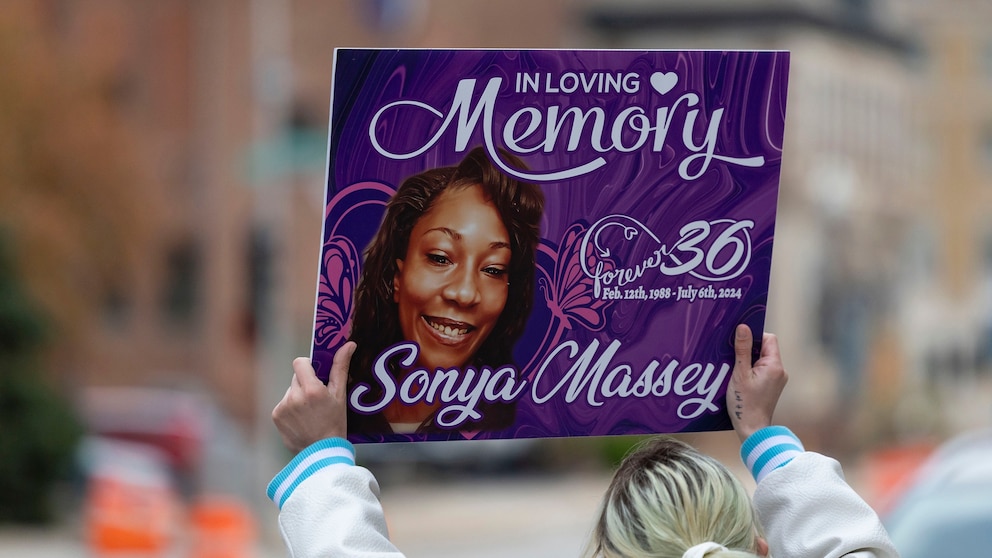
Attorneys Ben Crump and Antonio Romanucci, who represent Massey’s family, praised the review board’s decision. “The Prisoner Review Board made the right decision and reaffirmed the jury’s verdict and the sentence the court imposed,” they said in a joint statement, adding that “a badge does not provide an early way out.”
Massey’s family members had testified at Friday’s hearing opposing Grayson’s release, reiterating their position that his condition did not warrant early freedom from his sentence. The board’s decision means Grayson will remain incarcerated to serve his full 20-year term plus two years of mandatory supervised release.
Grayson has the option to reapply for medical release in the future, according to board officials, and can petition the board as many times as he wishes under the Joe Coleman Act.