


Massachusetts moved closer Thursday to giving doctors final authority over whether to perform late-term abortions, as the state Senate advanced controversial legislation just one day before the legislative session deadline. The bill, approved by the House last week with strong bipartisan opposition, would eliminate the state’s existing framework that restricts abortions after 24 weeks to specific medical circumstances.
The legislation, titled “An Act Prioritizing Patient Access to Care,” would fundamentally reshape how physicians make end-of-pregnancy decisions. Currently, Massachusetts law permits abortions after 24 weeks only when necessary to preserve a patient’s life or health, or in cases of lethal or grave fetal diagnoses. The new bill would replace those restrictions with a single standard: that physicians could perform abortions based on their professional judgment, removing the legal categories that currently govern late-term procedures.
The House passed the bill 119-33 last Wednesday, sending it to the Senate with less than two days until the chamber’s July 31 deadline to pass legislation. On Thursday, the Senate Rules Committee voted 5-1 to place the bill on the full chamber’s calendar, clearing the way for a potential vote before sessions end. Multiple major health systems backing the legislation expressed optimism about its prospects.
Supporters argue the current restrictions create undue legal burdens on patients and physicians. Doctors at major Massachusetts hospitals say the existing framework prevents them from providing care to patients facing devastating pregnancy complications that don’t fit neatly into the statute’s categories. Hospital systems including Mass General Brigham, Beth Israel Lahey Health, Tufts Medicine, UMass Memorial Health, and the Massachusetts Health and Hospital Association have called the current law inadequate, citing patients forced to travel out of state for procedures.
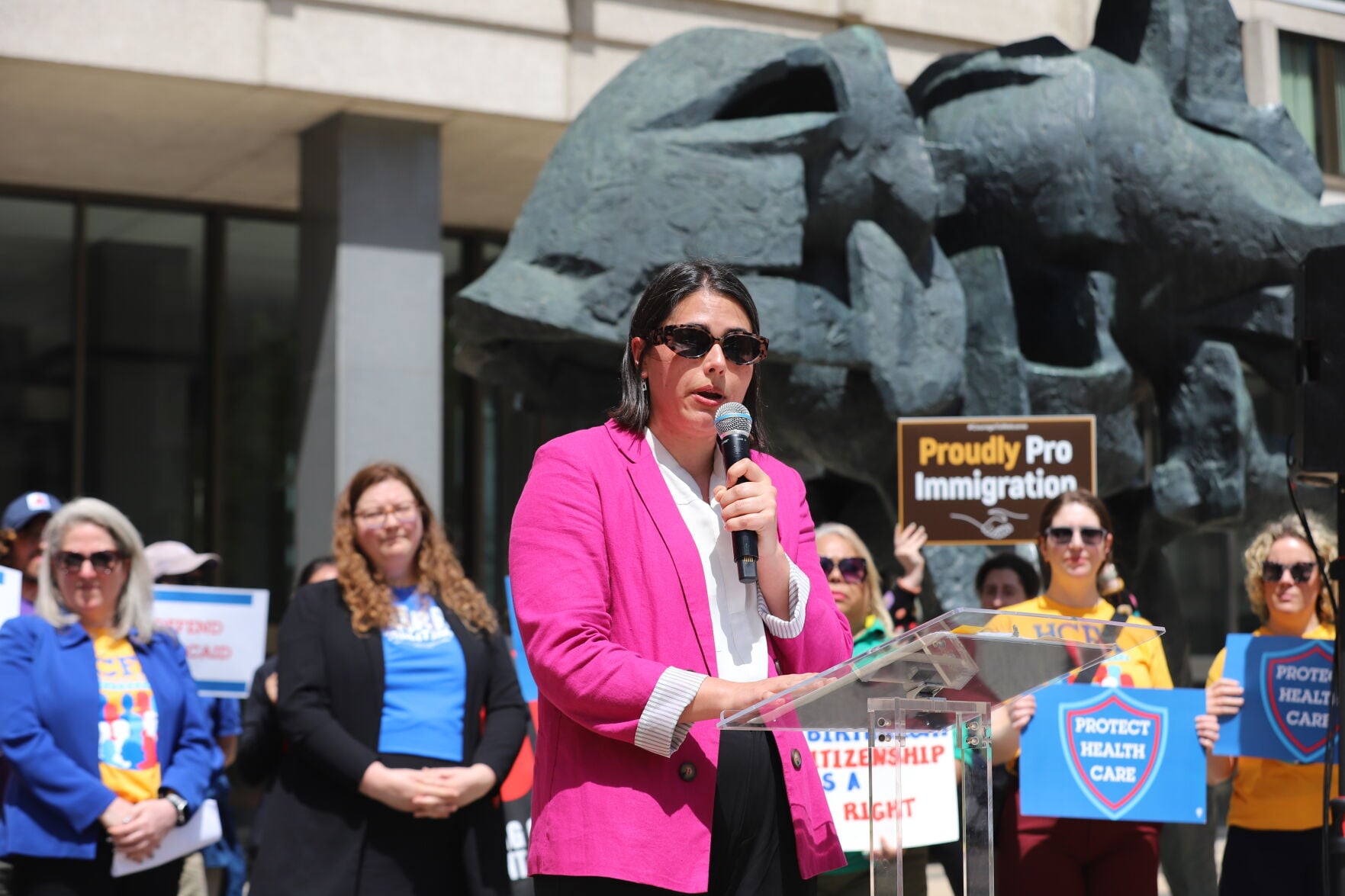
State Representative Christine Barber of Somerville, who co-sponsored the legislation with state Representative Lindsay Sabadosa of Northampton, pointed to real cases of patients facing heartbreaking circumstances. She cited Kate Dineen of Boston, who traveled 500 miles to a Maryland clinic while 33 weeks pregnant after her son suffered a catastrophic stroke in utero. Dineen paid approximately $10,000 out of pocket for the procedure. Barber said such circumstances demonstrate that the “strict legal framework” fails to account for the “number of complicated medical conditions where a doctor and patient decide to have an abortion.” According to state data, dozens of patients annually leave Massachusetts to obtain late-term abortion care due to existing legal restrictions.
Advocacy group Reproductive Equity Now reports that late-term abortions represent less than one percent of all terminations in the United States. Massachusetts recorded 99 abortions at 24 weeks or later in 2024, up from 84 the year before. Advocates note that these pregnancies are typically wanted but complicated by severe health conditions discovered late in pregnancy.
The bill faces fierce opposition from anti-abortion organizations and religious institutions. Massachusetts Citizens for Life, the Massachusetts Family Institute, and the Catholic bishops of Massachusetts have all condemned the legislation. The bishops issued a joint statement calling the proposed elimination of legal limits on late-term abortion “a radical measure which is gravely immoral.” The Massachusetts Family Institute called the bill “dangerous” and said it removes key safeguards, arguing that it would allow physicians to decide unilaterally whether to terminate pregnancies for “any reason, or no reason at all.”
Republican legislators also opposed the bill, with critics arguing it removes meaningful protections. State Representative Kelly Pease expressed surprise at how quickly the legislation moved through the House, saying he didn’t understand how such significant changes could be made to abortion law with little advance warning. All Republicans in the House voted against the bill, along with a handful of Democrats.
House Speaker Ronald J. Mariano emphasized that the legislation aims to ensure reproductive health decisions remain between patients and physicians, unconstrained by legal frameworks that struggle to account for the complexity of pregnancy-related health care. He stated that Massachusetts should enable doctors to treat patients using their professional judgment without unnecessary legal obstacles.
The bill’s passage in the Senate before Friday’s deadline remains uncertain. If approved, it would need to be signed by Governor Maura Healey, a Democrat who supports reproductive rights. Healey has not publicly indicated whether she would sign the measure. If it passes both chambers and receives the governor’s signature, Massachusetts would have among the nation’s broadest abortion protections, reflecting a stark contrast to the severely restricted landscape in many other states following the 2022 Supreme Court decision overturning Roe v. Wade.