

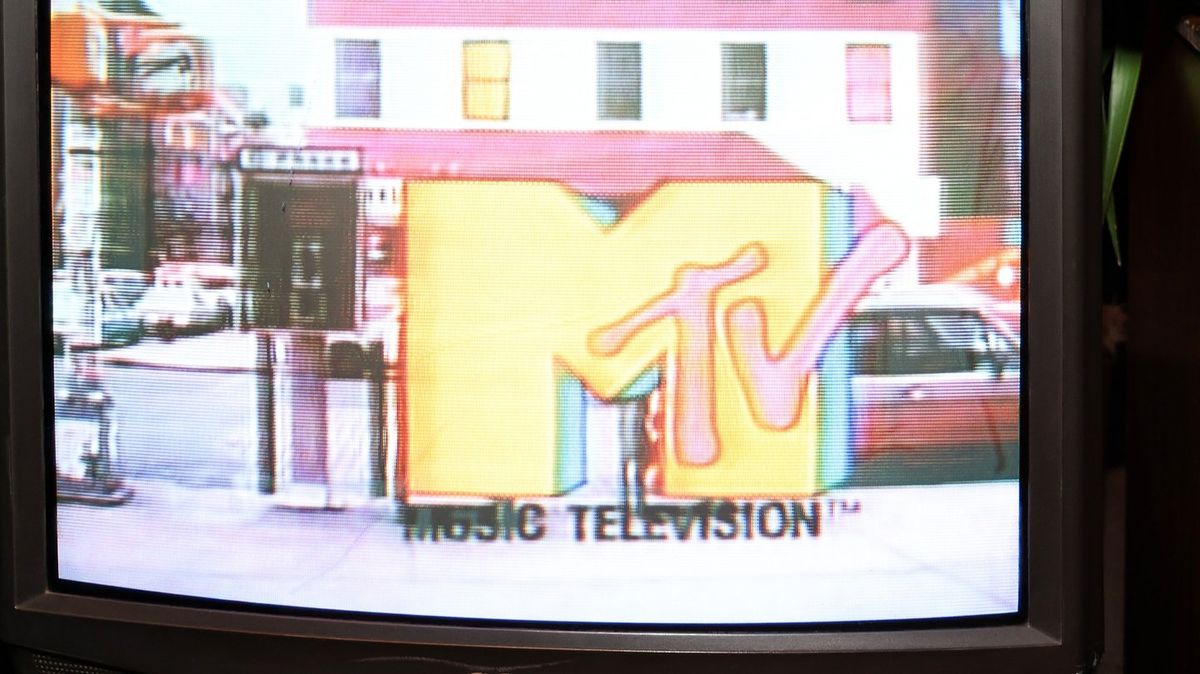
Nearly 45 years ago, MTV made its debut with a launch that many viewers now see as a defining turning point in music television and wider pop culture.
At 12:01am on August 1, 1981, the cable channel officially went live, opening a new era for audiences who would soon come to associate it with wall-to-wall music videos. The launch began with footage of the Space Shuttle Columbia and Apollo 11 moon landing, followed by the words “Ladies and gentlemen, rock and roll,” spoken by MTV co-founder John Lack, and the original MTV theme song composed by Jonathan Elias and John Petersen.
Although the network looks nothing like it did in those early days, plenty of longtime fans still point to that first night as the moment it truly “chang[ed] the face of pop culture forever.”
Its opening broadcast ran for a full 24 hours, and while it is remembered fondly today, the launch itself was far from polished. MTV’s initial broadcast reached only a small number of cable television households in parts of New Jersey, where the channel was exclusively available at launch.
The very first video shown was ‘Video Killed the Radio Star’ by The Buggles. The song, written by The Buggles members Geoff Downes and Trevor Horn along with Bruce Woolley, had originally been released in 1979 and was a major hit in the UK, but remained relatively obscure in the United States, peaking only at number 40 on the Billboard Hot 100. Some MTV executives initially questioned the choice; executive Steve Casey claimed, “Nobody wanted to launch with ‘Video Killed the Radio Star.'” However, MTV executive Bob Pittman defended the selection, saying “It was too obvious not to do it.” The song proved symbolic—as MTV began to reshape the music industry, the song regained popularity and became forever linked to the channel’s historic debut.
“How fitting that their first song was ‘video killed the radio star'”
Viewers were then shown a short introduction about the meeting of music and television, before the schedule moved on to Pat Benatar’s ‘You Better Run’ and Rod Stewart’s ‘She Won’t Dance With Me’. The launch then encountered a significant technical difficulty when an REO Speedwagon video played for only about ten seconds before the screen went black with a high-pitched audio tone—a symbolic moment for a network that would help define the future of music promotion.
Despite the historic status the broadcast would later gain, the production itself was fairly messy. Budget limits, a shortage of promotional clips made specifically for TV, tape changes, dead air, and technical hiccups all contributed to a rough-around-the-edges first day. MTV had only amassed approximately 250 videos approaching its debut, with just 62 deemed broadcast-worthy, forcing the network to rely heavily on repetition to fill the 24-hour schedule.
Even so, the channel still managed to air 116 videos during that first stretch. Rod Stewart, in particular, became impossible to miss, appearing 11 times over the course of the launch.
According to Flavorwire, repeats were also common. The Who’s ‘You Better You Bet’, April Wine’s ‘Just Between You And Me,’ and Phil Collins’ ‘In The Air Tonight’ each turned up five times.
MTV’s programming in those early days consisted of basic music videos introduced by video jockeys (VJs). The original five VJs were Martha Quinn, Mark Goodman, Alan Hunter, JJ Jackson, and Nina Blackwood. Jackson, in particular, was a notable presence as a rare African-American voice in album-oriented rock broadcasting, helping bring greater visibility to diverse artists and genres on the nascent network.
For many people, that slightly chaotic quality is part of what makes the debut so memorable. MTV’s launch came at a crucial moment—before the network’s arrival, artists typically reached fans through radio airplay, concert tours, and record stores. Music videos existed but were largely treated as promotional novelties rather than essential marketing tools. MTV inverted this hierarchy almost overnight, making image inseparable from song and establishing the music video as a central element of an artist’s success.
“YouTube killed any reason for MTV to keep showing music videos. Back in the day videos would debut on MTV or VH1 and that’s where you had to go to maybe see the video you wanted during a block. Now that every music video is available on demand and in the palm of your hand people aren’t going to sit around watching blocks of music videos on tv.”
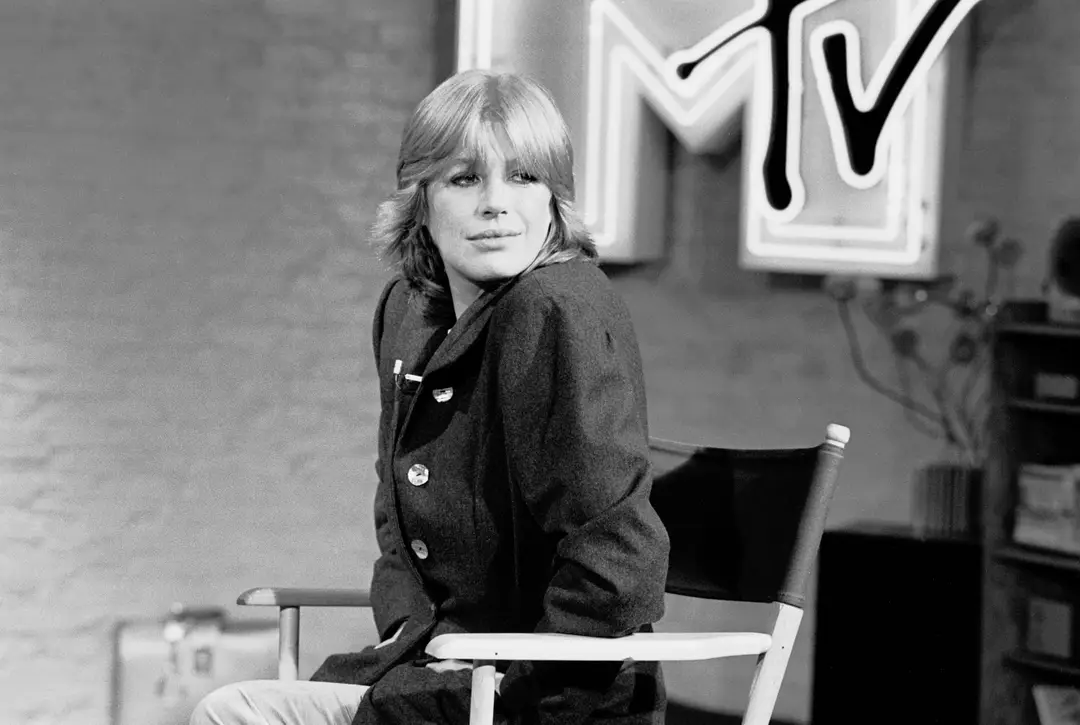
That nostalgia still shows up in comments from fans revisiting recordings of the original transmission, including footage of the first two hours.
“Everything about VKTRS [Video Killed The Radio Star] was so impeccably done, mainly the segway from the radio era to the video era. The song was already two years old in 81. MTV’s decision to christen the network and the new era with it was brilliant.”
“These first hours should be preserved in the Smithsonian at least,”
“Good bye old friend. Thanks for being the only outlet in my childhood. I’m sad but mad because you could have saved it.”
“There is nothing today like MTV was. Such an awesome time that I am glad to have experienced. The 80’s owned..”