

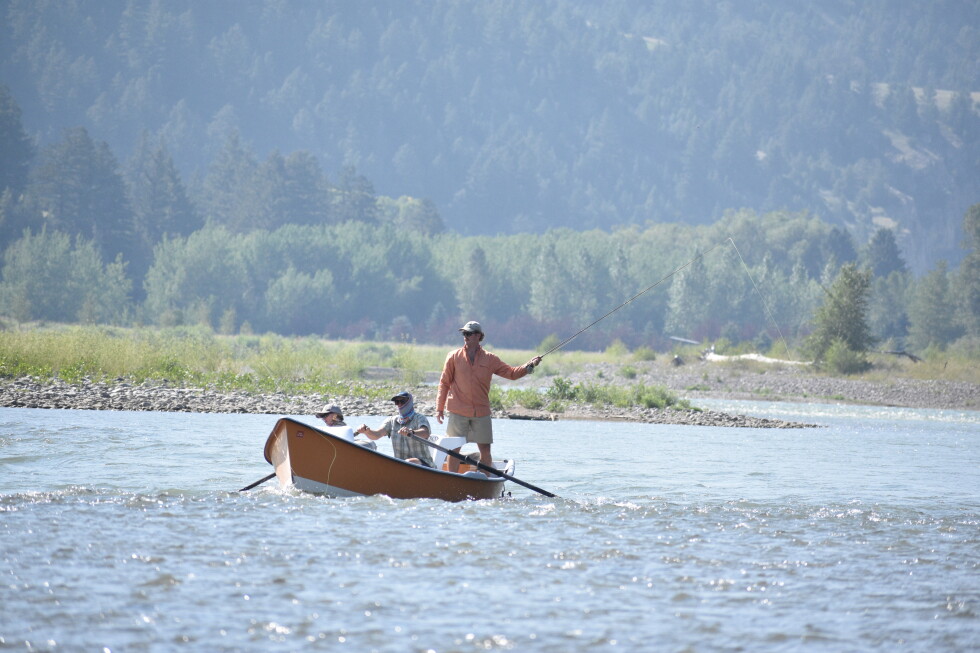
Trout need cool water to survive, but record heat this summer has driven water temperatures to lethal levels for fish across the Western United States. Wildlife officials are responding by banning fishing during certain hours on rivers and streams from Montana to Colorado, following an exceptionally dry winter and amid widespread drought conditions.
Lower water levels in rivers mean water heats up much more rapidly when temperatures soar. This combination of drought and extreme heat has created an emergency for fisheries managers tasked with protecting vulnerable populations. The restrictions aim to reduce stress on highly-prized trout species and prevent additional fish mortality during the peak heat of the day.
The scale of closures this summer is unprecedented in some areas. Colorado has imposed restrictions on 19 rivers totaling 635.5 miles, a situation state officials describe as unprecedented. Also this week, wildlife officials in Montana broadened afternoon fishing restrictions to now cover 1,200 miles of rivers. Yellowstone National Park has closed portions of the Firehole, Madison and Gibbon rivers after dangerously warm water temperatures led to reports of dead trout. Park officials reported recent daytime water temperatures reached 80 to 86 degrees, creating conditions that can be lethal for the fish. Effective July 29, fishing on nearly all of Yellowstone’s rivers and streams was restricted to sunrise until 2 p.m. Each day.
Wyoming has also been affected, with the Wyoming Game and Fish Department requesting anglers opt out of fishing on the stretch of the North Platte River from the Wyoming-Colorado state line to the Dugway Campground north of Interstate 80 due to high water temperatures and low flows. Officials also asked those doing catch-and-release to avoid the Encampment River from the Riverside bridge to the confluence with the North Platte River from noon until sunrise when water temperatures are at their highest.
The pattern of closures is intensifying as climate change reshapes conditions across the region. Yellowstone, for example, has restricted fishing due to high water temperatures during five of the past six years. That frequency far exceeds what park officials say was routine in the past. Adam Strainer, administrator of the fisheries division at Montana Fish, Wildlife and Parks, noted that such closures “have become very common over the last decade plus, some might even say very routine from late June through early September.”
This trend coincides with rising temperatures as human-caused climate change warms the planet and droughts become more frequent and severe. A study last year found that “river heat waves” are increasingly happening in snow-dominated areas such as the northern United States and the Rocky Mountains. Researchers found that climate change is altering the size and timing of mountain snowpack, contributing to river heat waves. The study also identified more days when rivers were warm enough to stress cold-water species like bull trout.
More record temperatures are forecast this weekend as a heat wave in the Southwest expands north into the Rocky Mountains and east across the High Plains. The situation is not merely an ecological concern. Trout fishing is closely entwined with the economy in many Rocky Mountain communities. Anglers travel from around the world to fish in Yellowstone National Park and Western Montana’s Blackfoot River, featured in the movie “A River Runs Through It.” Many visitors are adjusting their travel plans to avoid the summer restrictions, shifting trips to the fall months when water temperatures cool.
The economic impact extends to local business owners who depend on peak summer season revenue to carry them through winter months. In Steamboat Springs, where warm water in the mid-70s Fahrenheit killed a massive number of fish on the Yampa River, locals expressed concern about what the pattern means for the future of trout in the region.
In 2016, wildlife officials closed 183 miles of the Yellowstone River to fishing, rafting and other activities to prevent a parasite suspected of killing tens of thousands of fish from spreading further in the low and warm water. That closure highlighted the cascading consequences of thermal stress on fish populations and the ecosystem they support.
As warming becomes the norm, wildlife managers face difficult decisions about balancing angler access with fish conservation. The temporary afternoon closures represent an attempt to provide fish refuges during the most stressful hours while allowing some fishing opportunity during cooler morning periods. Whether such measures will prove sufficient as temperatures continue to climb remains an open question for the region’s fishing industry and the communities that depend on it.