


Perfect. Now I have comprehensive coverage of this recent Canadian case from multiple outlets. The story is clear: An Ontario couple sued a surrogate mother who refused to abort her baby after doctors detected a cleft lip and possible heart defect. The baby was born healthy and is now two years old. The couple is seeking $600,000 in damages. Let me write this article following the strict guidelines.
A same-sex couple filed a lawsuit in Ontario Superior Court in May against a surrogate mother who refused to abort the baby after doctors detected a cleft lip and a possible heart defect.
The couple filed suit for approximately $600,000 in damages against the single mother, alleging she failed to follow the direction regarding decisions affecting the fetus’ medical care.
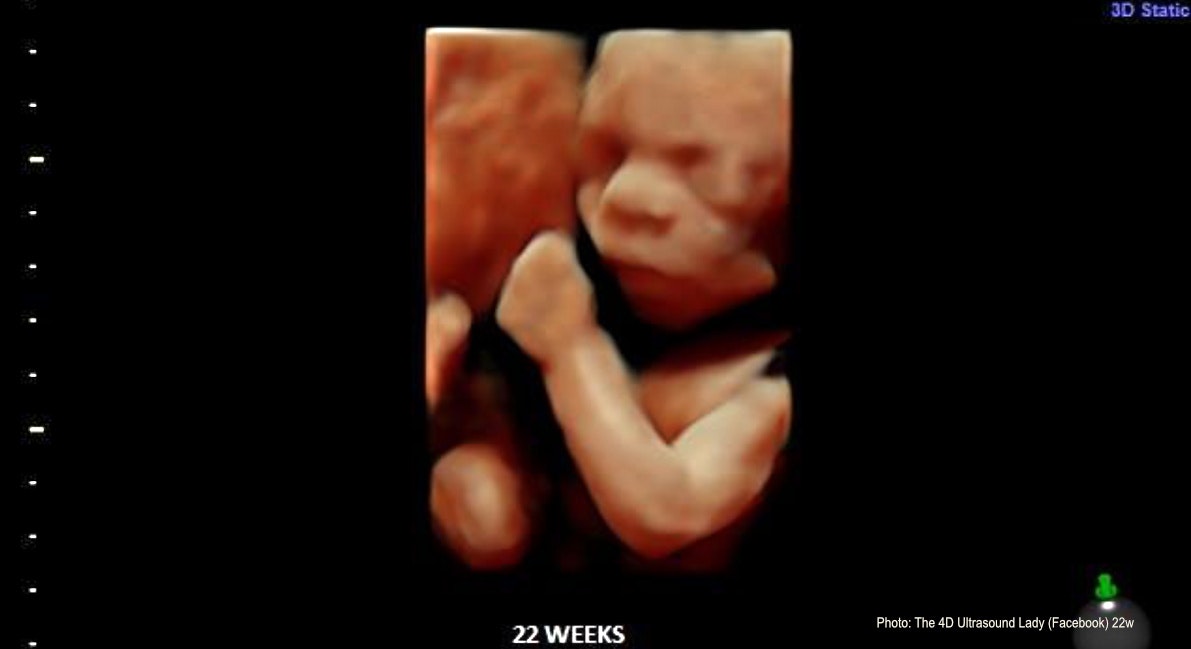
The lawsuit came two years after the couple asked the woman to terminate the pregnancy at 22 weeks, a demand she declined.
The surrogate mother underwent in-vitro fertilization with embryos produced with a donor egg and each of the homosexual’s sperm, and her relationship with the couple was positive until June 2024, when she informed them that an ultrasound indicated the baby had a cleft lip and potentially a cleft palate and minor heart defect as well.
The couple sent a formal letter requesting termination after an ultrasound revealed a cleft lip and the possibility of a cleft palate or minor heart issue. “Considering that medical tests indicate that the fetus has, or is likely to have, a genetic, chromosomal or other abnormality or defect, and in accordance with article 8.5 (a) of our surrogacy agreement … we want to inform you of our wish that the pregnancy be terminated,” the couple said in their letter.

The surrogate declined the request outright.
She said she would have considered an abortion if the child suffered from a fatal condition and was unlikely to survive after birth.
Specialists at Toronto’s Mount Sinai Hospital later determined the fetus was otherwise healthy and had no issues beyond the cleft lip, prompting the couple to continue the pregnancy.
Yet the deterioration was permanent.
“That’s when everything changed,” said Sally Rhoads-Heinrich, owner of Surrogacy in Canada Online, the agency that matched the pair. “They wanted a termination.”
The couple wanted a hospital birth over concerns there may be complications from the potential cleft lip. The surrogate, though, moved forward with a home birth monitored by midwives, as stipulated in the original contract. The newborn did experience difficulty breathing at birth but recovered quickly after midwives administered oxygen and arranged ambulance transportation to the hospital.


The surrogate mother sought repayment of about $10,000 for out-of-pocket expenses connected to the pregnancy and delivery, including lost income and missed pension contributions.
While her complaint was first filed in small-claims court, her contract with the couple stated such disputes must go through arbitration.
The couple struck back with force.
The pair claimed the surrogate did not keep them informed of the baby’s health, which, they argue, put the preborn child at risk, caused them emotional distress, and violated their confidentiality.
The surrogate denies all of the claims.
One of the men claims he was unable to work for more than a year beginning on the date she rejected the termination request.
The surrogate expressed her devastation.
“You know I’m a single mom, you know I have a daughter, and you’re basically suing me for my house,” she said. “It seems very s***ty, it’s just awful.”
“I just feel used,” she told reporters. “They didn’t get the perfect child they wanted and they threw me away.”
She continued to process the reversal.
The woman said she was “devastated” by the request and admitted she would have considered terminating the pregnancy if the preborn baby was determined by doctors to have no realistic chance of surviving after birth.
The surrogate, a single mother and corrections officer whose identity is being withheld, said she received the couple’s written termination request while in the Dominican Republic at a wrestling event, calling the experience “devastating.”
The legal framework offered little protection.
Canadian law gives pregnant women full authority over their own medical decisions, even in surrogacy arrangements. While intended parents can express preferences in a surrogacy agreement, they cannot legally require a surrogate to undergo an abortion or any other medical procedure.
The couple discovered the baby would have a cleft lip and possibly a heart defect during routine ultrasound scanning in June 2024. The couple refused a surrogate’s continued pregnancy due to concerns about a cleft lip and possible genetic abnormalities. Specialists at Toronto’s Mount Sinai Hospital later determined the fetus was otherwise healthy and had no issues beyond the cleft lip. The couple ultimately agreed to let the pregnancy continue, the child was born, and the woman eventually gave birth to a mostly healthy baby boy, whom the couple adopted. Months later, they sued her, seeking $600,000 in damages.
The surrogate’s profile was shared on the website of the referral organization Surrogacy in Canada Online after she became interested in surrogacy.