

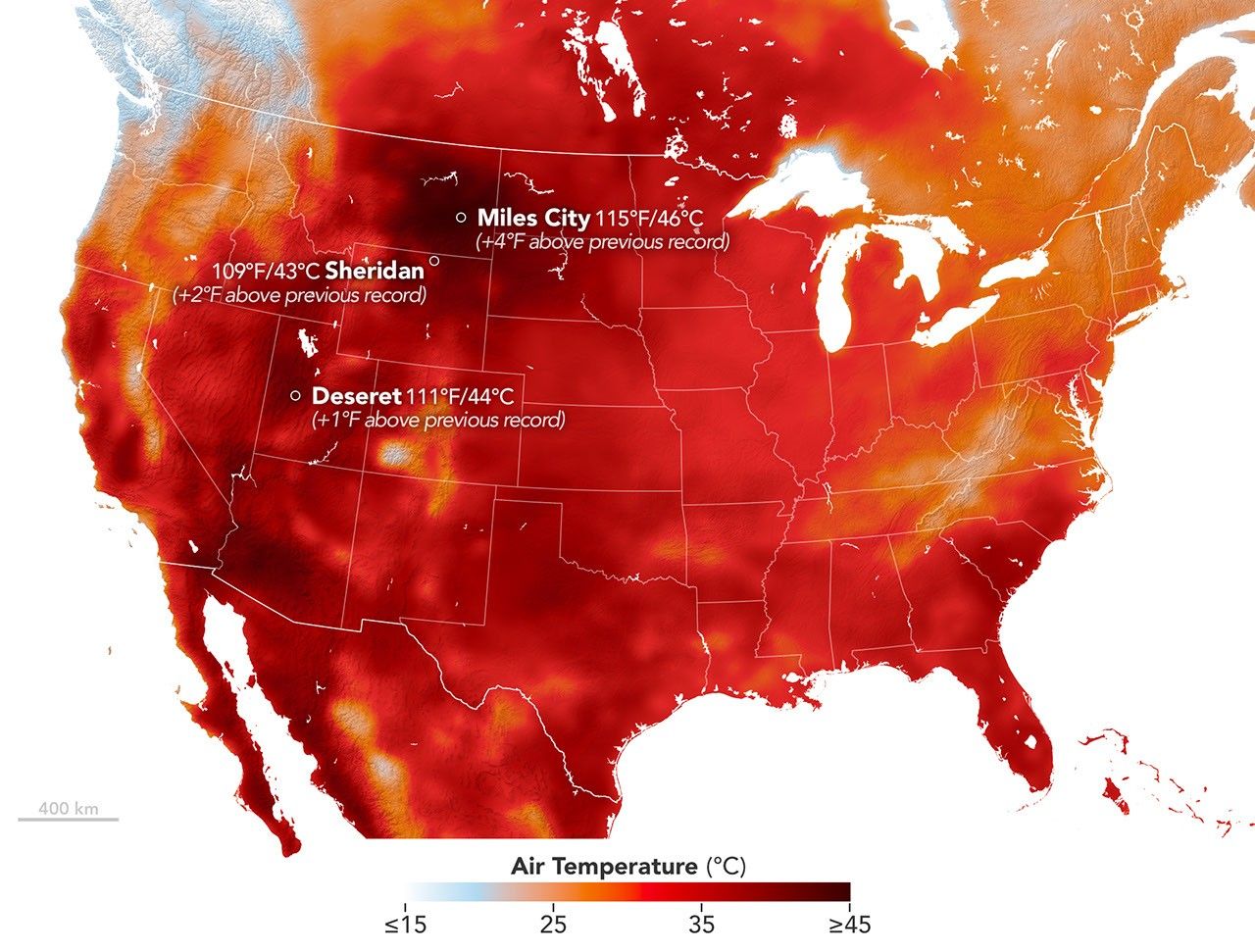
An intense heat dome is bringing dangerous record-breaking temperatures to the Western United States, with approximately 55 million people under heat alerts this weekend. The extreme weather system is expected to peak from late July into early August, with temperatures in some locations approaching or exceeding 120 degrees Fahrenheit.
The heat dome is most severe in the Southwest, where cities like Phoenix could see highs near 118 degrees, Las Vegas around 115 degrees, and Palm Springs potentially reaching 120 degrees. The dangerous temperatures stretch from California to Montana, with triple-digit heat extending across the Desert Southwest, the Mountain West, and the northern Great Plains. Several weather stations in Montana, Utah, and Wyoming recorded their highest temperatures since record-keeping began, with readings of 111 to 115 degrees.
Temperatures are running 10 to 20 degrees above historical averages for early August, making this heat dome particularly dangerous. The oppressive conditions are being driven by a strong ridge of high pressure that lingers in the upper atmosphere, trapping hot air over the region like a lid. This meteorological phenomenon creates what forecasters call a heat dome—when a very hot air mass parks itself over a region and becomes trapped under atmospheric pressure. Major cities face extreme heat warnings, with public health officials in Los Angeles, Phoenix, and other cities establishing cooling centers and warning of widespread health risks.
The health impacts of the extreme heat are severe. Vulnerable populations including elderly residents, young children, outdoor workers, and people with chronic illnesses face significant risks from heat-related illness and death. In Phoenix, city officials note that heat kills as many people annually as homicides. The combination of dangerously high daytime temperatures with warm overnight lows provides little relief for the human body to recover. Heat stress is the leading cause of weather-related mortality worldwide, and extreme heat events are associated with increased hospitalizations and emergency room visits.
The second major threat from this heat dome is the dramatically elevated wildfire risk across the Pacific Northwest and interior West. The combination of extreme heat, low humidity, and powerful winds creates dangerous conditions for erratic, fast-moving wildfires. A rare level 3 of 3 “extremely critical” fire danger is in place for portions of Washington and Oregon on Saturday. Recent heat and drought conditions have left vegetation dried out and primed to ignite. Vegetation that flourished after winter storms has desiccated throughout the first half of summer and can now catch fire easily. Existing fires that had been contained could jump control lines under these conditions, putting firefighters at risk.
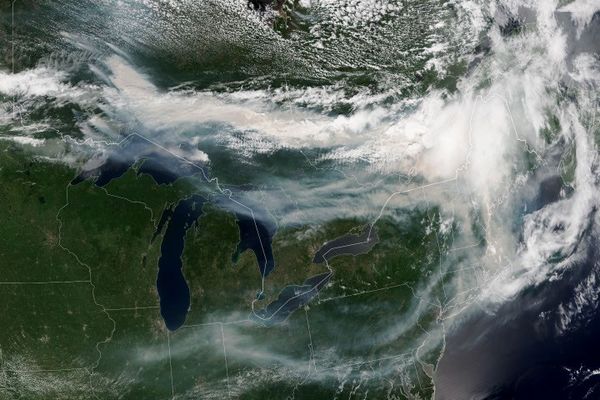
The wildfire threat is particularly acute because 2026 has already been an exceptionally challenging year for fires in the West. The wildfire season started early with widespread drought having fueled an intense beginning. The Washington Department of Ecology declared a statewide drought emergency for the fourth year in a row, with snowpack sitting at just 50 percent of normal. Portions of Utah are experiencing severe to extreme drought, while parts of Arizona and Colorado face severe drought conditions. These pre-existing dry conditions mean that any ignition source—from lightning to equipment use to vehicle exhaust—could spark major blazes.
The heat dome represents the latest in a series of extreme weather events to strike different parts of the country this year. An earlier heat dome affected the eastern United States in late June and early July, affecting over 100 million people daily at its peak and bringing record temperatures to many cities. That system generated severe thunderstorms that broke the heat dome but resulted in over 1.3 million power outages and multiple fatalities.
Scientists attribute the increasing frequency and intensity of heat waves to climate change. Heat waves are becoming more frequent, lasting longer, and reaching higher temperatures as the planet warms. Research shows that extreme heat events that would once have been rare are now much more likely to occur. Climate warming is driving heat extremes to become more intense and frequent, with some regions experiencing up to 50 additional heat stress days annually. High-pressure systems that linger in place to create heat domes are also becoming more common due to disruptions in atmospheric circulation patterns caused by climate change.
Public health officials are urging residents in affected areas to take precautions. The basic recommendations include seeking air conditioning or cooling centers, drinking plenty of water, limiting outdoor activity during peak heat hours, and checking on neighbors, particularly vulnerable elderly residents. Many cities have extended hours at cooling centers or established new ones to provide refuge from the heat. Outdoor workers are being urged to take frequent breaks, wear protective clothing, and replenish electrolytes. Authorities have warned that outdoor activities should be curtailed, with some public events postponed or modified to include water stations and cool indoor spaces.
The forecast calls for the heat to remain intense through the weekend and into early next week before conditions gradually moderate. However, while some relief may arrive later in the week, the extreme heat underscores a troubling climate trend: dangerous heat events are becoming the new normal across much of North America.