

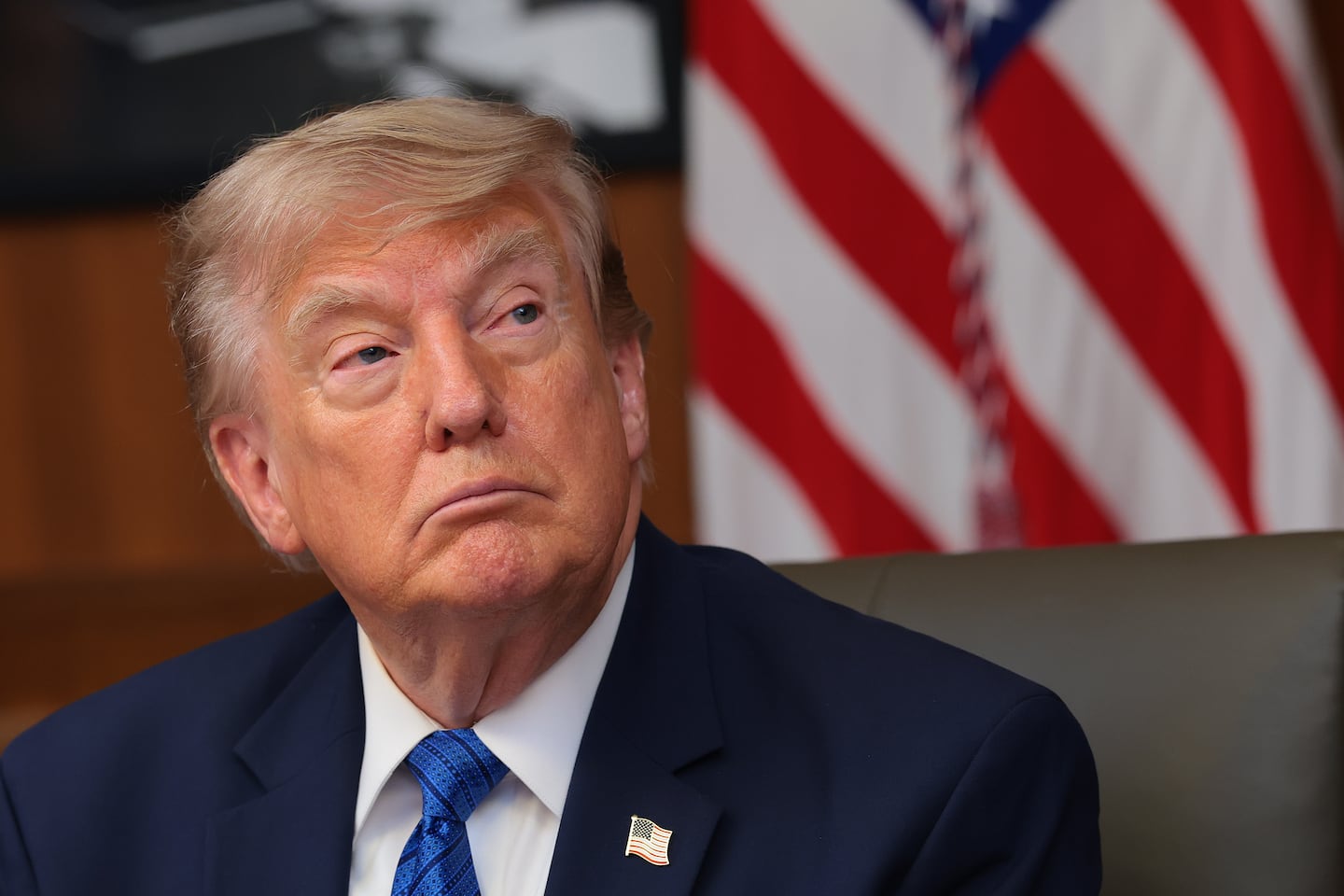
President Donald Trump announced late Saturday that he would order a halt to military strikes on Iran, citing progress toward a deal to end the five-month-old war that began in late February with joint U.S. And Israeli attacks. The announcement came through a social media post and represents another dramatic shift in the escalating conflict between Washington and Tehran.
Trump said in his Saturday evening post that Middle Eastern allies had reached the parameters of an agreement that would include the immediate and complete reopening of the Strait of Hormuz and an end to Iran’s nuclear threat. He framed his decision as a response to requests from Iran and other regional nations to pause military action while negotiations advance.
“Based on this request, I have agreed, for the future benefit of the WORLD and, likewise, the survival of a successful and prosperous Iran, to cancel the attack, subject to being able to rapidly make a DEAL,” Trump wrote. The president emphasized that the deal contingency remained firm, making clear the pause in strikes hinged on progress toward an actual agreement.
The announcement came after Trump had been threatening escalated military action. Just days earlier, he told reporters that the U.S. Would hit Iran “very hard” and that he was prepared for what he described as strong military action. The Pentagon had been delivering strike plans to the president daily for two weeks, and he had been approving them each evening, according to reporting on the conflict.
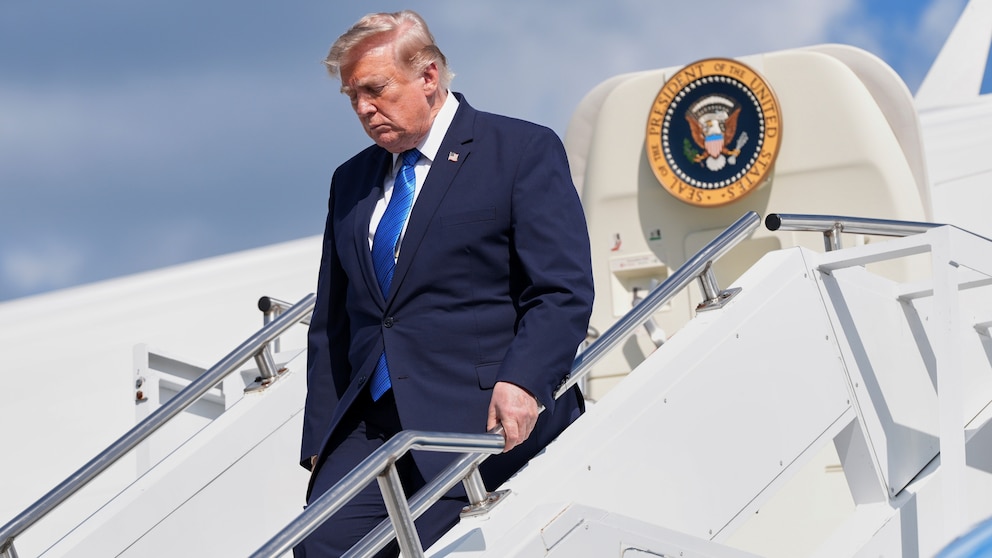
Trump said Israel had agreed to join the United States in this commitment to pursue the ceasefire agreement. The Israeli government did not immediately make a public statement following Trump’s announcement, though Israeli Prime Minister Benjamin Netanyahu had recently urged Trump to continue prosecuting the war against Iran.
Iran offered a measured response to the announcement. State media outlets said the country would halt its own attacks as long as the United States maintained its pause on air strikes. One senior Iranian official said that Iran would reciprocate the ceasefire, signaling a willingness to de-escalate, though other Iranian statements expressed skepticism about Trump’s sincerity.
The statement did not constitute a formal agreement, and both parties made clear significant gaps remained in any comprehensive deal. Mediating nations, particularly Saudi Arabia, Qatar, and Pakistan, had been urgently working behind the scenes to prevent another escalation. Saudi Arabia’s Crown Prince Mohammed bin Salman had raised concerns about escalation during a phone call with Trump on Saturday.
The ceasefire announcement marked the latest in a pattern of temporary pauses and resumptions of conflict that has characterized the war since it began on February 28. An interim agreement reached in mid-June halted fighting and was supposed to lead to a permanent deal, but it collapsed within weeks when Iran resumed attacks on shipping in the Strait of Hormuz. Trump had announced multiple ceasefire pauses since February, only to see the fighting resume repeatedly.
The war began with declared U.S. And Israeli objectives to destroy Tehran’s missile capabilities, prevent it from obtaining a nuclear weapon, and end its support for regional armed groups. However, the stated goals and timelines for the conflict have shifted repeatedly, creating skepticism about whether any agreement could hold.
The stakes for both sides have grown considerably. The conflict has disrupted global energy markets and remains unpopular with many Americans, particularly as critical midterm elections approach in November. For Trump, reaching a lasting settlement could represent a major foreign policy achievement, while for Iran, a deal could provide sanctions relief and an end to devastating military strikes.
Negotiations have been conducted primarily through intermediaries including Oman, Pakistan, Qatar, and Egypt, with Trump’s special envoys Steve Witkoff and Jared Kushner directly involved. The tentative framework under discussion calls for reopening the Strait of Hormuz, halting attacks across the region including by Iranian-backed militias, ending the U.S. Naval blockade on Iran, and allowing Tehran to export oil again.
A comprehensive deal would require resolving major outstanding issues, including the precise terms of Iran’s nuclear program constraints, the scope of sanctions relief for Iran, and assurances about the cessation of attacks by Iranian-backed forces throughout the region. The Trump administration has proposed detailed frameworks that Iran has countered with its own proposals, but no final agreement has been reached.
Trump’s warning that military action would resume if rapid progress toward a deal stalls suggests the pause is likely to be temporary. “The U.S.A. Is locked and loaded and ready to go against the Islamic Republic of Iran,” Trump wrote in his announcement, maintaining the threat of renewed strikes while pursuing negotiations.
The fragility of previous agreements in this conflict suggests that even optimistic assessments of the current pause must be tempered with caution. For now, the announcement provides a breathing space for diplomacy, though the underlying tensions and competing interests that have driven the conflict for five months remain unresolved.